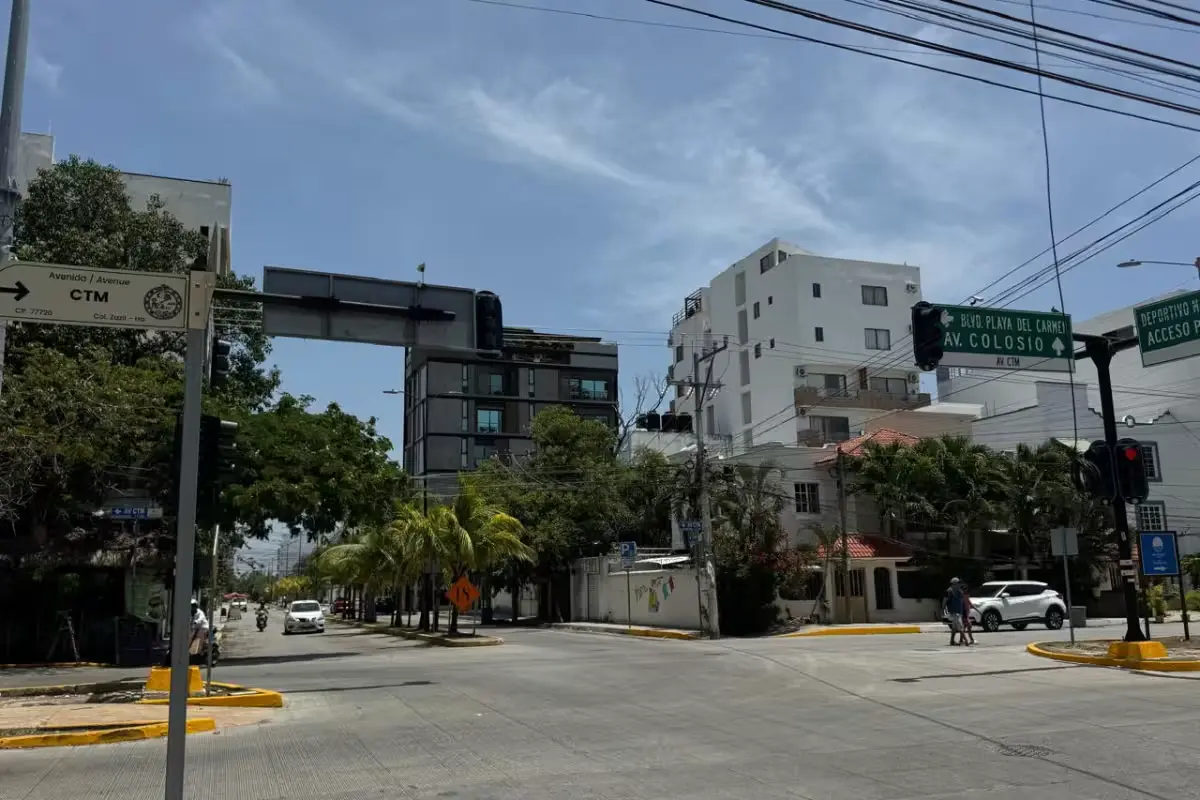
Playa del Carmen, Quintana Roo — Residents of the Luis Donaldo Colosio Murrieta neighborhood are accusing the National Institute for Sustainable Land (INSUS) of abusing its authority by charging up to 400,000 pesos for property titles, saying the fees treat longtime settlers like real estate investors.
The neighborhood, founded 32 years ago on what was once jungle, is now home to small businesses, rental units and grocery stores built by residents over decades. Gabriel Cabañas, one of the original founders, said the fees are unjustified.
“Just for having commercial premises, they want to charge 400,000 pesos or more for the titling of the land,” Cabañas said. “What the authorities don’t realize is that these people built their livelihoods over 32 years. They’re charging us as if we were investors.”
Another resident, Antonio Santos, said the true founders of the neighborhood built their assets through hard work. “Many of us arrived with nothing. For 32 years we invested time and money to have something,” he said.
Cabañas added that people who now run coffee shops, grocery stores or rent out rooms did not build them overnight. “They worked for three decades and today they are enjoying the fruits of their labor,” he said.
According to a decree covering various issues, particularly support for low-income and vulnerable people, INSUS is only authorized to charge for issuing property titles, not for selling land. But Cabañas said residents with high purchasing power who bought land and built condominiums should pay fairly, “because they are speculators, not founders of the neighborhood.”
Antonio Méndez, another resident, said the government should support the original settlers with their property titles. “They fought from zero, and if they now own property, it was not easy. Most are vulnerable and reaching old age,” he said.
More Development
- Scientists Detect Early Signs of Groundwater Contamination in Quintana Roo
- 22 Hotels in Mexico’s Caribbean Join Dune Restoration Push
- Cancún Hotel Zone Projects Must Include Wastewater Pre-Treatment Plants
- Kukulcán Interchange Hits 70% as Cancún Delivery Slips to December
- Quintana Roo Rethinks Tourism Model as Visitor Spending Falls
More Playa del Carmen
- Playa del Carmen Presses Federal Officials to Halt Wildlife Exploitation Permits
- Playa del Carmen Cuts Intentional Homicides by 51.6% in First Eight Months of 2026
- Drainage Connection Gap Worsens Pollution of Cenotes and Beaches in Quintana Roo
- Assault Survivor Robert González Praises Eugenio Derbez’s ‘El juicio’ in Emotional Message
- Playa del Carmen Residents Demand Action After Molotov Attack on Taxi Union