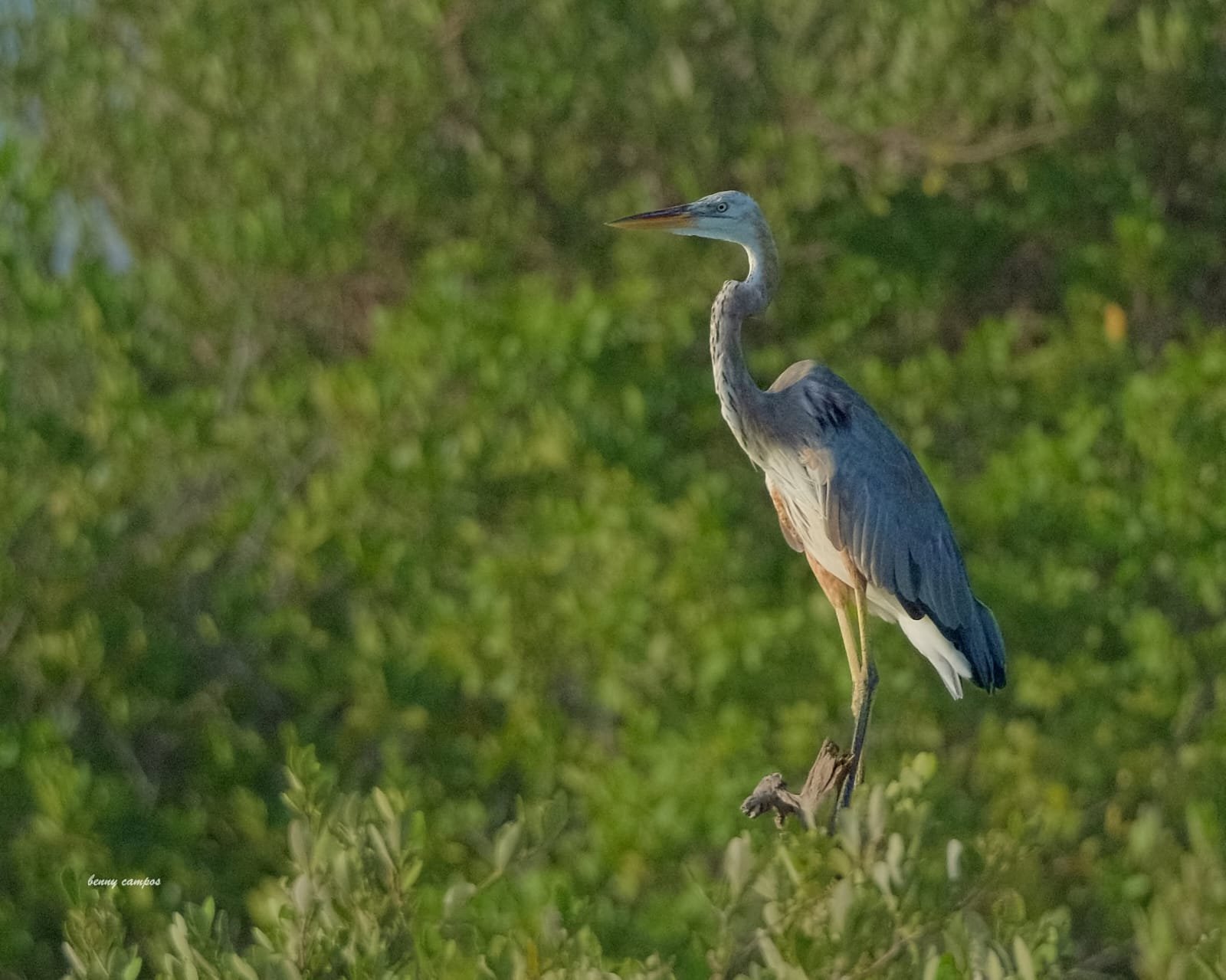
Cozumel, Quintana Roo — Habitat loss, pollution and climate change are among the main threats facing shorebirds that use Cozumel’s coastal ecosystems during migration, specialists warned during a birdwatching event at Punta Sur on Sept. 8.
The outing, organized by the Cozumel Parks and Museums Foundation (FPMC) to mark World Shorebirds Day, led to the identification of 22 species, including sanderlings, willets, Wilson’s plovers, flamingos, ospreys and boat-billed herons.
Experts explained that the island’s beaches, mangroves and wetlands function as resting, feeding and refuge areas for migratory species, and that the condition of these habitats has a direct impact on their survival. The FPMC also noted that shorebirds serve as indicators of the environmental health of beaches, lagoons and wetlands, since their presence and behavior provide valuable information about the state of those ecosystems.
The event also sought to bring the public closer to the species and their migratory routes, aiming to generate greater attention toward the ecosystems they depend on. Quintana Roo has a historical record of more than 480 bird species, according to information provided during the conservation activities.
More Environment
- Activists File Complaints Over Heavy Machinery on Cancún’s Playa Delfines Dune
- Semarnat Denies Permit for Beach Restoration Project in Puerto Morelos
- Cancún Hoteliers Push to Reactivate Beach Recovery Trust
- Experts Warn of Climate Crisis in Mexican Caribbean, Urge Urgent Action
- Scientists Say Sargassum Must Be Stopped in the Atlantic, Not on Cancún’s Beaches
More Cozumel
- Quintana Roo Green Leader Hands Over 80K-Member Party
- Cozumel Trains 200 Mototaxi Drivers as Crashes Rise
- Quintana Roo to Boost Tourism Promotion by 20% as Cancún Travel Mart 2026 Opens
- Cozumel Coral Restoration Program Cares for 1,500 Fragments at Chankanaab
- Cozumel Triathlon Draws 350 Athletes and 13 Million Pesos in Tourism Spending