
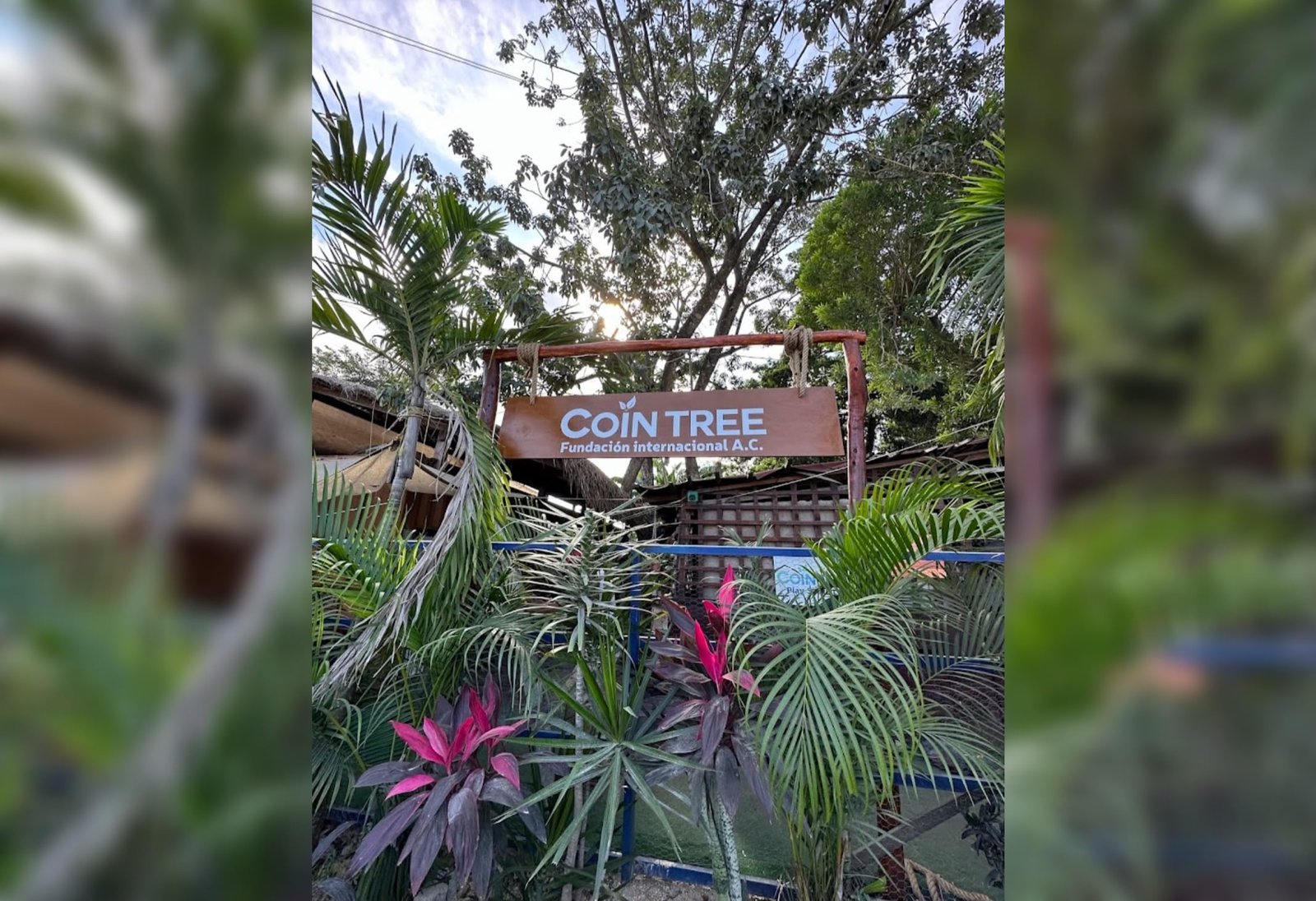
Tulum, Quintana Roo — Gastrointestinal illnesses are on the rise in Tulum’s irregular settlements, where families struggling to cover their basic needs are increasingly seeking care at charity clinics, according to Rocío Ocaña, director of the Coin Tree foundation.
Ocaña said the organization, which provides medical consultations, has recorded a growing number of patients from informal settlements, most of them suffering from gastrointestinal ailments. Economic hardship, she said, is one of the main difficulties these families face.
“We see mothers who are desperate because they obviously cannot provide for their children. They live in the irregular zone, so they do have a lot of economic problems,” she said.
Beyond financial hardship, Ocaña said the foundation has seen an increase in gastrointestinal illnesses among those who come in for care — mainly fever, diarrhea and infections.
Medicine Supplies Running Out
With consultations on the rise, the foundation reported that it has run out of some of the medicines it distributes, including deworming treatments and drugs used to treat infections.
“Everything ran out because so many people have been coming here for consultations,” the Coin Tree director said.
The foundation warned that the demand for medical care and medicine continues to grow among families in these areas, and said it will keep its support services open to vulnerable residents.
More Community
- Playa del Carmen Officials and Transport Firms Meet After Fatal Tulum Crash
- Low Tourism Keeps Some Akumal Water Sports Cooperatives Idle as Revenue Lags Operating Costs
- Estefanía Mercado Files to Seek Morena’s Municipal Coordination in Playa del Carmen
- What Pluricultural Nation Day Means for Quintana Roo
- Progreso Hyperbaric Chamber Logs 181 Sessions for Divers and Patients Since June
More Tulum
- Captain Sun’s Tulum Penthouse: Cash Trail Under Scrutiny
- Tulum Reports Fewer Traffic Accidents and Injuries in Third Quarter of 2026
- Starbucks Exits Tulum: Why the Hotel Zone Is Losing Its Buzz
- Canada Drives Mexican Caribbean Demand for Final Quarter of 2026
- Tulum Fishing Cooperative Seeks Funds to Expand Facilities and Sustain 70 Families