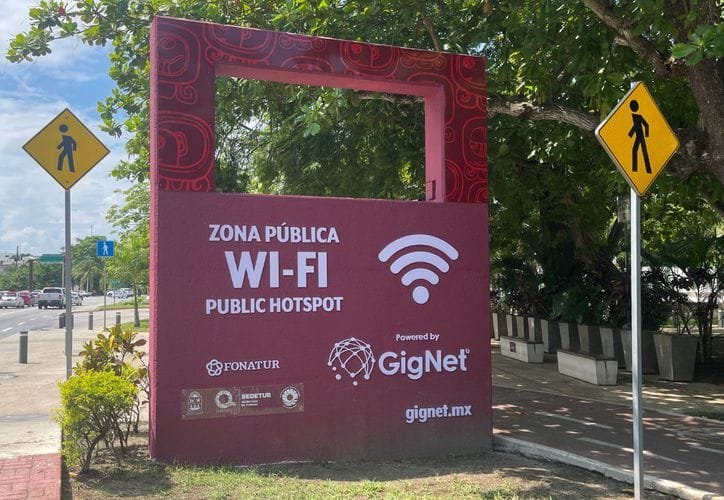
Chetumal, Quintana Roo — The director of Quintana Roo’s Digital Transformation Agency, Javier Ayuso Sánchez, said the state government remains committed to expanding free internet coverage in rural communities, schools, and public spaces, despite delays caused by federal policy restructuring in telecommunications.
Ayuso explained that adjustments at the federal level in agencies responsible for digital infrastructure have altered installation schedules and network expansion timelines. The transition of infrastructure previously operated by the Federal Electricity Commission (CFE), along with regulatory changes, has impacted project execution. However, he stressed the program has not been canceled or suspended.
Coordination between the state and federal governments continues, Ayuso said, and will gradually fulfill the goal of providing free internet access to thousands of residents, especially in hard-to-reach communities where connectivity is vital for education, health, economic development, and digital inclusion.
One of the most significant advances is in education: 120 of Quintana Roo’s 180 telesecundarias (distance-learning middle schools) now have internet service, marking substantial progress in reducing the digital divide between urban and rural areas. Connectivity in schools strengthens teaching and learning, facilitates access to digital platforms, and promotes the use of technology in classrooms.
The state government runs the “Conecta Quintana Roo” and “Internet del Bienestar” programs, which have enabled free internet access in various municipalities. These initiatives have covered approximately 160,000 square meters of free WiFi in public parks, sports domes, plazas, and high-traffic tourist areas, benefiting both residents and visitors.
The goal is to continue expanding coverage to hospitals, health centers, schools at all levels, and remote localities, where internet access can make a significant difference in accessing educational, medical, and government services. Ayuso acknowledged that the constant growth of educational infrastructure in Quintana Roo means new schools are regularly opening, requiring continuous updates to connectivity indicators and incorporation of these schools into installation programs.
More Business
- Mexico Clears Sonora of Foot-and-Mouth Disease, Exports Resume
- AI and New Travel Trends to Headline AFEET Trends 2026 Summit in Cancún
- Tulum Pivots to Luxury as Airlines Cut Flights, Occupancy Drops
- Yucatan Preps for Winter Season With More Flights From Canada
- Activists Protest Pig Mega-Farms in Yucatán, Demand Crackdown on Pollution
More Quintana Roo
- Quintana Roo to Pitch Sustainability in Reworked International Tourism Push
- Quintana Roo Names Winners of 2026 State Craft and Embroidery Prizes
- Santa Fe Klan Plays Nearly Four Hours at Expofer 2026 in Chetumal
- Quintana Roo Health Secretary Flavio Rosado Resigns to Seek Morena’s Isla Mujeres Candidacy
- Timeshare Exit Scams: 5 Traps Owners Must Avoid