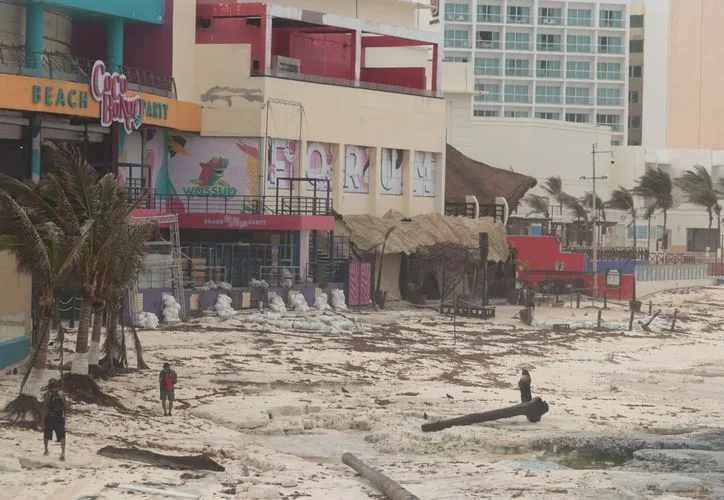
Cancún, Quintana Roo — Keeping the memory of past natural disasters alive can serve as a tool to reduce risk in Quintana Roo, especially given the recurring hurricanes and other extreme weather events that strike the Mexican Caribbean, specialists said during a panel discussion titled “Why Does Commemorating Disasters Matter?”
The event was organized by academic institutions including El Colegio de la Frontera Sur (ECOSUR), the Autonomous University of Mexico City, Louisiana State University and the Juárez Autonomous University of Tabasco. Participants examined why remembering disaster experiences matters and how those lessons can be turned into knowledge for society.
Speakers said that commemorating a disaster means more than recalling the date it occurred. It means analyzing its causes and consequences, along with the decisions that can help reduce the impact of future events.
That collective memory takes on particular importance in regions exposed to natural hazards. Over time, a false sense of security can set in, leading residents to disregard official warnings or underestimate the risks they face.
Institutional Amnesia
One of the concepts discussed was “institutional amnesia,” which refers to the loss of accumulated knowledge and experience after a disaster, particularly when lessons stop being incorporated into public policy. When that happens, mistakes can be repeated and communities become more vulnerable.
In Quintana Roo, keeping the experiences of past hurricanes in mind serves as a reminder that risk does not depend solely on the intensity of a weather system, but also on how land is used and transformed.
“I would like us to think about commemorating — a critical commemoration — not just as an act of simple remembrance, but as something that looks beyond the disaster. We should think of it as something that gives us signals, that gives us lessons deep enough to prevent future tragedies,” said Roberto Barrios, who holds a doctorate in anthropology.
Participants also stressed the importance of maintaining Risk Atlases that are up to date, dynamic and accessible to the public, so that information about vulnerable areas can be consulted before an emergency occurs. They likewise emphasized citizen participation as a way to learn about the local terrain, identify high-risk zones and understand weather alerts.
More Environment
- Sargassum Influx Triggers Two Types of Wildlife Die-Offs in Quintana Roo
- Rains and Port Restrictions Cut Cancún Nautical Tourism to 60%
- CONANP Closes Four Cozumel Reefs for Two Months to Aid Coral Recovery
- Fonatur Weighs Options for Contested Malecón Tajamar Land in Cancún
- Trash and Sargassum Trap Dozens of Sea Turtle Hatchlings on Cozumel
More Quintana Roo
- Quintana Roo to Launch World’s First Formal Sargassum Fishery With 840 Fishermen
- INE Opens 2026-2027 Federal Electoral Process in Quintana Roo, Vows to Tackle Voter Apathy
- Quintana Roo High School System Aims to Install Cameras at All 44 Campuses
- Biometric CURP in Quintana Roo: Where to Apply, What to Bring and Whether It’s Mandatory
- Maya Council and Xcaret Push Supreme Court to Drop Indigenous Symbols Case