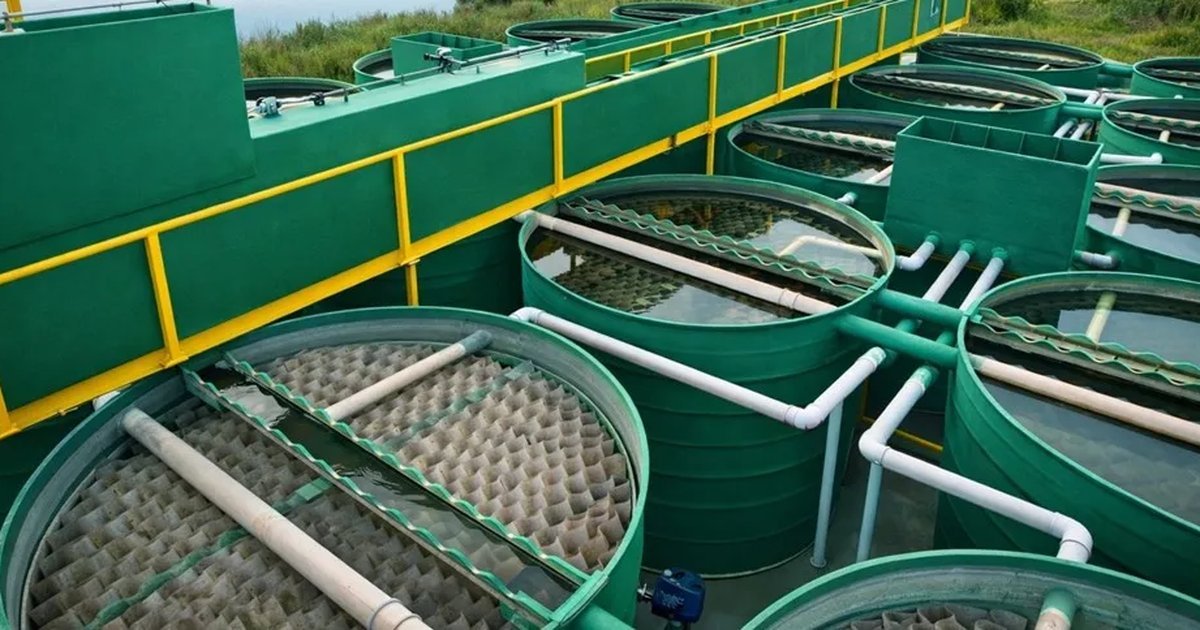
Cancún, Quintana Roo — Aguakan, the private concessionaire that supplies water to Cancún, Playa del Carmen, Isla Mujeres and Puerto Morelos, said it uses chlorine gas to treat and disinfect the water that reaches households across Quintana Roo, a process that requires specialized equipment, controlled dosing and constant monitoring.
The company said the properties of chlorine gas in its gaseous state mean handling it at treatment plants demands specific safety measures, staff training and emergency response protocols. At Aguakan, those elements form part of the established procedures for managing the gas and preparing crews for possible emergencies.
The gas is fed into the drinking water process through specialized equipment designed to control how much is applied.
How the disinfection works
When chlorine comes into contact with water, it produces several chemical species, among them hypochlorous acid (HClO), one of the most important agents in disinfection. Through that action, Aguakan says it can inactivate certain microorganisms that could pose a health risk.
The effectiveness of disinfection depends on several conditions, including the concentration of the disinfectant, contact time, pH, temperature and the characteristics of the water. For that reason, the company says the process is not simply a matter of adding a set amount of chlorine but of controlling the conditions under which it is applied.
Chlorine gas versus residual chlorine
Aguakan drew a distinction between the chlorine gas used during treatment and the residual chlorine that may later be present in the water. The gas is the disinfectant added during the treatment stage, while free residual chlorine is the amount that remains available in the water after disinfection and is monitored as the water is distributed.
Safety measures
Aguakan said its handling of chlorine gas covers everything from storage and use to the response to a possible emergency. The measures include:
- Staff training: workers who handle chlorine gas must understand the risks involved and the procedures established for working safely.
- Specialized equipment: feeding the gas into the treatment process requires systems designed to control its application.
- Emergency protocols: procedures must be in place to respond to situations such as a possible leak.
- Early detection and response: identifying a leak quickly allows the corresponding response mechanisms to be activated.
- Evacuation: in a risk situation, protecting people is the priority and must be carried out under Aguakan’s established protocols.
- Drills: practicing the procedures prepares teams to respond to different emergency scenarios.
Aguakan described the measures as part of a preventive approach, saying that in addition to equipment and procedures, it is essential that personnel know how to act in a risk situation.
More Environment
- Researchers Unveil 3D Replica of Ice Age Bear Skull Found in Quintana Roo Cave
- Quintana Roo Hands Out First Rural Sector Merit Awards to Three Workers
- Playa del Carmen Tests Technology to Recover Sand Lost to Sargassum
- Quintana Roo Records 570 Dengue Cases in 2026 as Fogging Brigades Fan Out
- Playa del Carmen Collects 469 Tons of Recyclable Waste in First 10 Months of 2026
More Quintana Roo
- Quintana Roo Reports 8,631 Diabetes Cases, Urges Free Glucose Testing
- PRI Quintana Roo Says Taddei Allies Using ‘Smoke Screen’ to Dodge Media Reports
- Quintana Roo Taxis to Require Digital Taximeters Starting in 2027
- Quintana Roo Joins Noche de las Estrellas 2026 With Free Astronomy Events in Five Cities
- Fewer Than 20% of Young People in Quintana Roo Use Condoms, Advocacy Group Warns