
Mexico City — Mexico’s Federal Commission for the Protection against Sanitary Risks (COFEPRIS) has issued a health alert over the counterfeiting of several medications manufactured by Bayer de México, including Tabcin, Flanax, Desenfriol D, and Alka Seltzer. The agency warned the public not to purchase or use products with anomalies in their batch numbers and expiration dates.
The alert follows a technical and documentary analysis conducted with information provided by Bayer de México, the holder of the sanitary registrations. The analysis identified multiple counterfeit products being sold with batch numbers that are either nonexistent, altered, or assigned to other medications.
Affected Medications
COFEPRIS listed the following counterfeit products:
- Tabcin Noche (12 capsules): No visible batch number, expiration date NOV/27.
- Tabcin Active (12 capsules): Lots X25RXG and M230717B, which do not correspond to the original product.
- Flanax 550 mg (12 and 30 tablets): Lots X2557P and X25CFZ with inconsistencies in assignment and expiration dates.
- Desenfriol D (30 tablets): Lot X24EKH, expiration date appears incomplete (“IC28”), while the original product expired in August 2022.
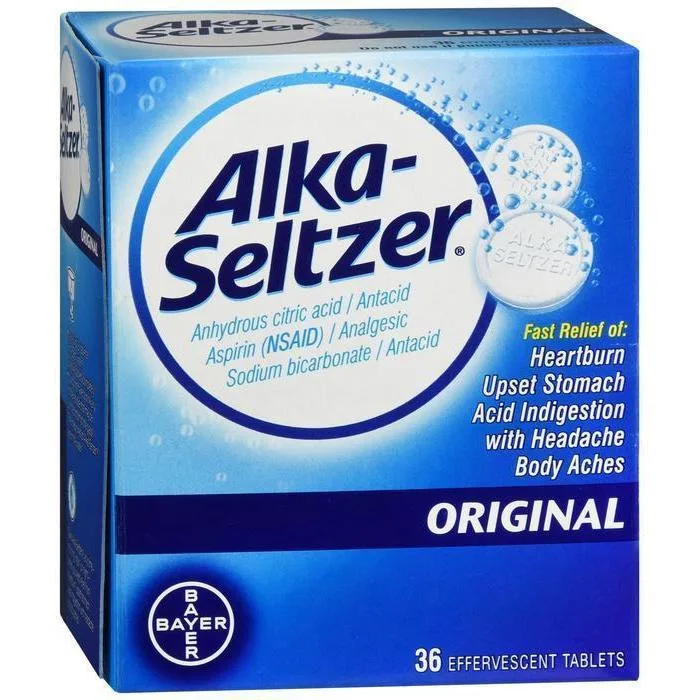
- Alka Seltzer (100 tablets): Lot X25GUE with an expiration date different from the authentic medication.
Health Risks
COFEPRIS warned that these counterfeit medications pose a health risk because their origin, manufacturing conditions, storage, distribution, and transportation are unknown. “There is no certainty about the raw materials used in their production, so their safety, efficacy, and quality cannot be guaranteed,” the agency stated in the alert.
COFEPRIS Recommendations
The health authority urged the public and healthcare professionals not to acquire or use the identified products, and to verify that batch numbers and expiration dates match and are legible before consuming any medication. COFEPRIS also called on distributors and pharmacies to immobilize any product matching the listed batches, and to purchase medications only from authorized distributors with valid sanitary licenses and documentation proving legal origin. The agency encouraged reporting adverse reactions and the sale of these counterfeit products.