
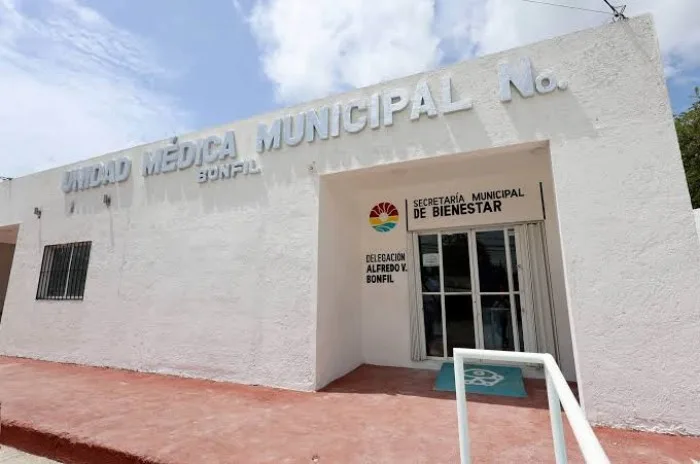
Cancún, Quintana Roo — Chronic diseases account for 40 percent of patient visits to Cancún’s municipal health units, according to Héctor González Rodríguez, the city’s health director.
In an interview Thursday, González said most of these cases involve people with diabetes who have developed non-serious complications. He noted that patients with severe conditions generally do not seek care at the municipal clinics, instead going to emergency rooms at secondary care hospitals.
“Normally, when a patient feels very ill, they don’t come to a first-contact medical unit. They usually go to the emergency room, which is why we don’t see emergency cases,” he said.
González explained that chronic patients typically visit the municipal health units for routine checkups, medication refills, or early warning signs of complications. When someone arrives with a significant complication, clinic staff refer them to hospitals such as the IMSS or the General Hospital for stabilization.
The official also said the municipal health units have not seen an increase in seasonal illnesses during the current summer vacation period. The weekly average has been about 400 consultations, he said, and the number is expected to rise to between 500 and 600 once the school year begins.
Besides chronic conditions, the most common reasons for consultations have been respiratory and gastrointestinal illnesses.
More Community
- Cinépolis at Plaza Las Américas in Cancún Closes Over Water Leaks
- Quintana Roo Schools Shut Oct 30 Creating a Four Day Weekend
- Cancún Airport Receives First Deported Mexicans From the United States
- Playa del Carmen Weighs Scooter Limits and Zoned Mototaxi Operations
- Canadian Woman in Mental Crisis Breaches Puerto Morelos City Hall and Robs Office
More Cancun
- Cancun’s Tourism Reset: Regenerative Travel Takes Center Stage
- Former Tulum Treasurer Sentenced to Nearly 4 Years for Unlicensed Firearms
- Judge Orders Pretrial Detention for Driver in Cancún Crash That Cost Motorcyclist a Leg
- Two Detained, Vehicles Seized After Woman Killed in Cancún Shooting
- Rain-Filled Trenches Trap Drivers on Cancún’s Avenida Colegios