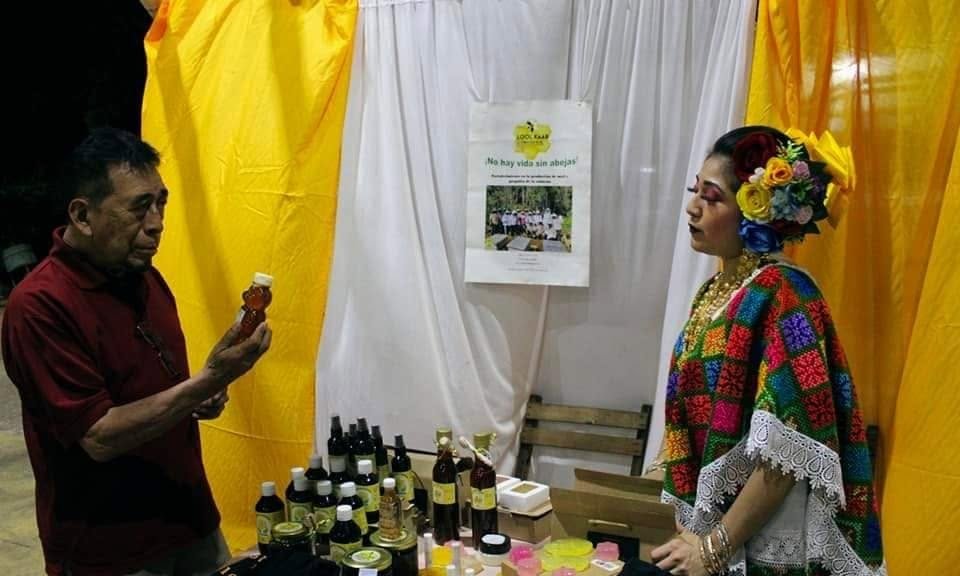
Felipe Carrillo Puerto, Quintana Roo — Young Maya entrepreneurs in the community of Betania have teamed up with traditional beekeepers to create value-added honey products, responding to a lack of collection centers that could secure fair prices for raw honey.
Currently, a kilogram of honey sells for between 30 and 32 pesos ($1.50–$1.60), prompting producers to seek ways to boost family incomes through processing.
Lol Kab project expands honey and propolis products
A group of men and women from Betania, about 30 kilometers from the municipal seat of Felipe Carrillo Puerto, launched a project to strengthen honey and propolis production, preserve Maya beekeeping traditions, and improve marketing channels.
Elena Cen, a member of the community project, said that by making products such as propolis and new presentations of natural sweetener, they aim to establish direct sales with buyers who recognize the work of local beekeepers.
The initiative, called “Strengthening honey and propolis production from the hive,” emerged from young Maya community members, with the goal of ensuring that economic benefits go directly to producers.
Adding value to Maya honey
Beekeeper Rufino Canul Dzib said falling honey prices and marketing difficulties drove the group to seek alternatives using different product forms.
The Lol Kab project, focused on apiculture, was approved by the National Institute of Indigenous Peoples (INPI) and has been operating for about a year.
“We are using the honey in different presentations: soap, bottled honey, syrups as natural medicine, and vitamins for children and the elderly,” Canul said.
The group includes 23 men and women from the community who work in an organized manner to consolidate the project and strengthen beekeeping.
Members have participated in courses on new apiculture techniques, allowing each person to contribute their knowledge and skills.
With this initiative, Betania producers aim to ensure that Maya honey is not only sold as raw material but transformed into products with higher economic value, improving living conditions for beekeeping families.
More Business
- Sargassum Leaves 60 Boats Damaged and Millions in Losses in Playa del Carmen
- Cancún Restaurant Owners Press for Tax Incentives to Revive Avenida Yaxchilán
- Grupo Lomas Cuts Workdays and Boosts Promotion to Shield Mexican Caribbean Tourism
- Mexican Caribbean Must Overhaul Its Tourism Model, STARC Director Says
- Hotel Occupancy in Quintana Roo Drops Below 60 Percent
More Zona Maya
- Quintana Roo to Add ‘Puerta al Mar’ in Felipe Carrillo Puerto to Its Tourism Lineup
- Bird Populations Decline in Quintana Roo’s Maya Zone, Academics Warn
- Maya Ka’an Named Among National Geographic’s 25 Best Destinations for 2027
- Maya Legends Festival in José María Morelos to Showcase Oral Tradition on Nov. 11-12
- Hanal Pixán Traditions Fade in Rural Communities of José María Morelos