Xcalak, Quintana Roo — Residents of the coastal community of Xcalak have issued a stark warning: they will not allow any politician or candidate to enter their town during the 2027 electoral campaign. Fed up with what they describe as systematic abandonment by all three levels of government, locals say they are tired of being used as electoral pawns by figures who only show up to ask for votes and then disappear.
Life in this remote southern border community has become a daily ordeal, residents say. Among the most pressing problems are constant, unpredictable power outages that disrupt households, cause economic losses for small businesses, and drive away tourists, dealing a heavy blow to local tourism service providers.
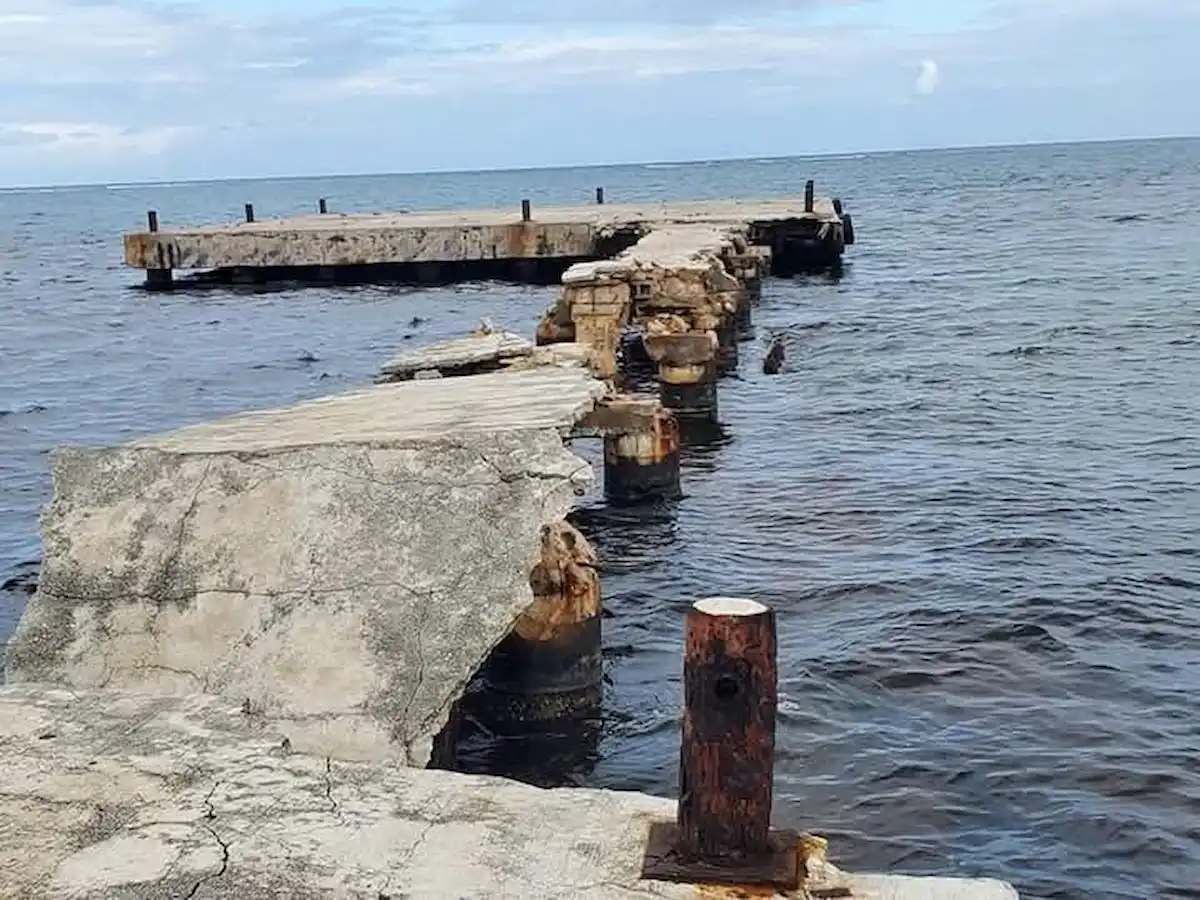
In addition to the blackouts, basic infrastructure is in poor condition. The fishing pier — vital for the local fishing economy and for docking tourist boats — has severely deteriorated, putting its operation at risk.
Educational and recreational facilities are also in disrepair. Parents and teachers have raised concerns about structural failures in the school dome, which they say pose a threat to students and staff, with no authorities coming to make repairs.
Compounding the situation, massive and uncontrolled arrivals of sargassum seaweed have smothered Xcalak’s beaches. The accumulation of the macroalgae not only ruins the destination’s image but also strangles tourism activity, residents say, with no temporary employment programs or permanent emergency plans from environmental authorities to clean the sands.
Given this bleak outlook, Xcalak residents say their stance is final. They warn that without concrete responses, lasting solutions, and a genuine commitment to rescue the town from marginalization, they will block any political campaigning in their streets ahead of the 2027 elections, demonstrating that the community’s dignity is not for sale in exchange for unfulfilled promises.
More Politics
- Mexico Deputies Approve 2027 Federal Law of Rights
- Lawmakers Seek to Make Mexican Sign Language Mandatory in Quintana Roo Schools
- Brother-in-Law of Lázaro Cárdenas Mayor Elected to Lead Holbox Ejido
- Estefanía Mercado Files to Seek Morena’s Municipal Coordination in Playa del Carmen
- Electoral Institute of Quintana Roo Opens 152 Jobs Paying Up to 23,000 Pesos a Month