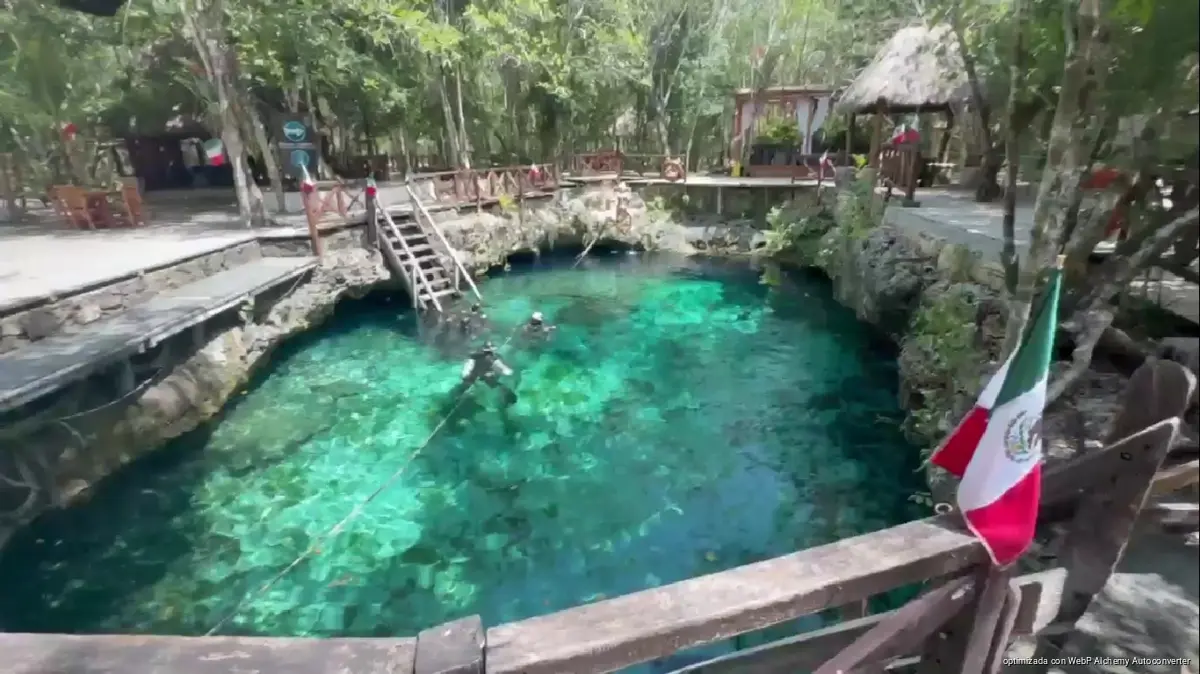
Tulum, Quintana Roo — Tulum must rethink its real estate growth to prevent ever-denser construction in areas without adequate wastewater treatment, a leading cave-diving expert warned, saying the future of the Great Maya Aquifer is at stake.
Alejandro Álvarez Enríquez, a member of the Regional Committee of Cave Divers for Ecology and Regulation (CREER), said the fragility and interconnection of the region’s underground water system means officials must review the terms under which new projects are approved and built.
He argued that the current economic slowdown and a possible oversupply of housing present an opportunity to change the growth model, rather than continuing to allow high building densities without guaranteeing proper handling of solid waste and wastewater.
Álvarez Enríquez said every new development should be required to show, from the planning stage, that it has effective systems in place to keep its wastewater from reaching the aquifer.
Call to Update Planning Rules
The CREER member also urged authorities to fold studies of groundwater dynamics into the Local Ecological Land Use Program (POEL) and into the ongoing update of the city’s urban plan, so that construction decisions account for the conditions of the system they are meant to protect.
He proposed that Tulum’s future building code set strict sustainability standards and tie urban growth directly to the capacity to prevent damage to the aquifer.
More Development
- Quintana Roo Warns Against Unchecked Hotel Growth as It Courts Brazil and Colombia
- Playa del Carmen Launches Survey Work to Legalize San Judas Tadeo Neighborhood
- Chankanaab Park Eyed as Site for Cozumel’s First Dolphin Sanctuary
- Isla Mujeres to Get Its First Social Assistance Center for Children
- Uxuxubi Seeks Spot in Mundo Sagrado Community Tourism Corridor
More Tulum
- Tulum Hosts Nine US Universities and Team Mexico at NCAA Division II Golf Shootout
- Tulum Residents Identify Five Sites Where Homeless People Gather
- Volaris to Suspend Tulum Airport Flights, Second Mexican Carrier to Pull Out
- Tulum Launches Credentialing Program for Parque del Jaguar Tourism Workers
- Proposed 351.80-Peso Non-Resident Fee Hike Threatens Tulum Tourism Recovery in 2027