
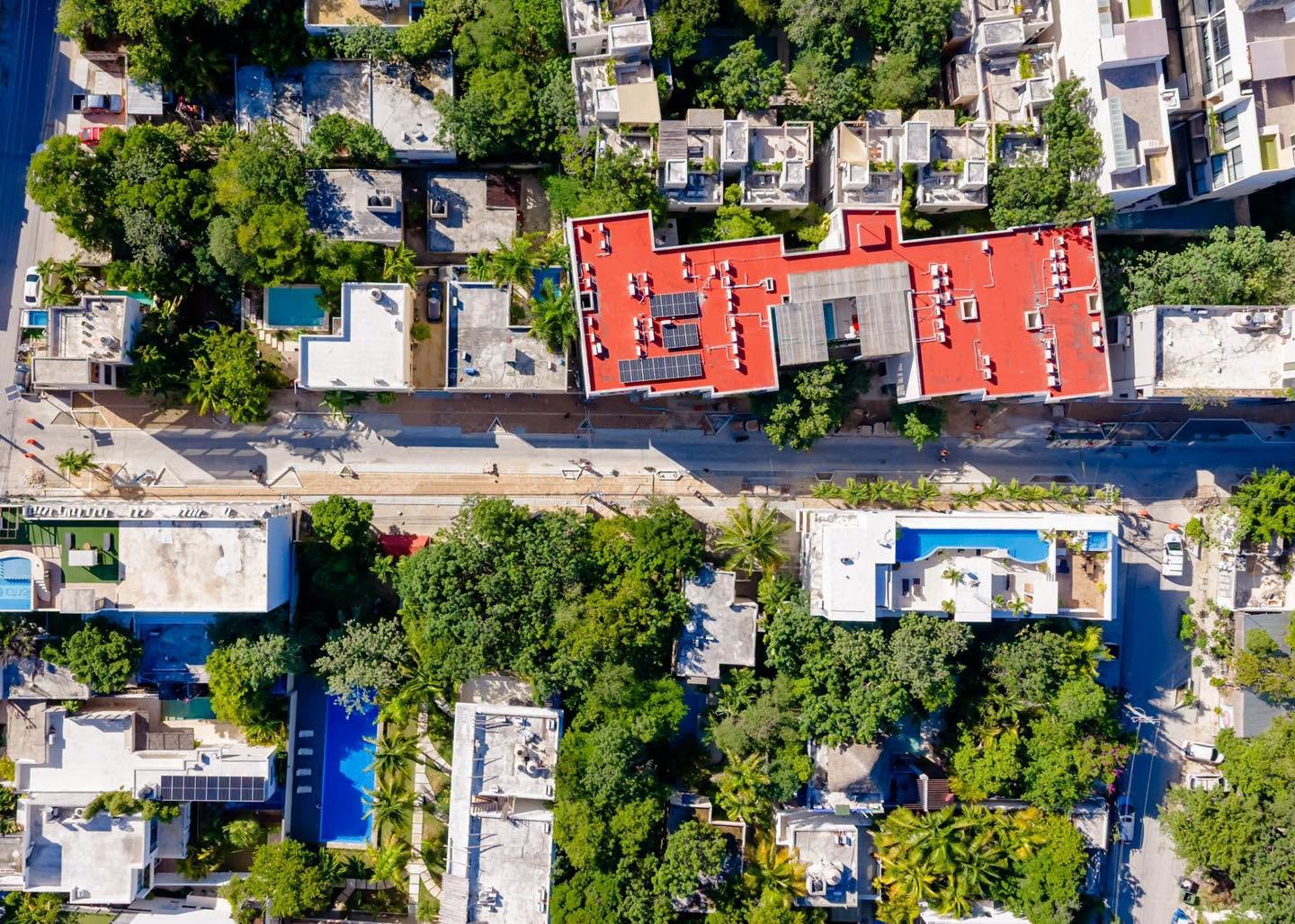
Tulum, Quintana Roo — Residents of the La Veleta neighborhood in Tulum are calling on authorities to carry out a comprehensive study of water quality in the area after neighbors reported suspected contamination and shared videos showing turbid water and foul odors.
Karla Acevedo Polo, a representative of the organization Tulum Sostenible, said the group has received reports for some time about possible problems with the water in La Veleta and surrounding areas, particularly near the Holística residential development.
“For some time now we have definitely had reports of water contamination in the La Veleta neighborhood and a little further out, around Holística. A couple of contacts have shared videos and evidence of the contamination; the water looks clearly dirty and smells bad,” she said.
She said monitoring is needed to establish the real condition of the water and the aquifer, not only in La Veleta but also at nearby spots that could face a similar problem.
Acevedo Polo noted that health authorities have previously monitored water quality at some cenotes, detecting contamination levels that led them to conclude certain water bodies were not suitable for recreational activities.
She said drainage coverage in the area must be part of any assessment, since it is limited and not all businesses and homes appear to be connected to the existing network.
“It is important, very, very important, that we have a diagnosis. We cannot start from two situations, but they may already be alerting us to a larger problem that we cannot rule out,” she said.
Given the evidence of possible contamination at specific points, she said monitoring should be expanded to determine whether other parts of the aquifer are affected.
She called on authorities to take samples at different points in La Veleta and its surroundings to determine water conditions and, based on the results, design strategies to address any source of contamination.
“If the problem is not known, it will be impossible to find solutions and strategies to change this situation,” she said.
Acevedo Polo warned that understanding the state of the aquifer matters both for public health and for conserving the region’s ecosystems, and she stressed the need for current technical information to gauge the problem and take preventive measures.
More Environment
- Horseshoe Crabs in Isla Mujeres Face Threat From Bait Fishing in Laguna Chacmuchuch
- Tulum Circula Advises More Than 120 Businesses on Separating and Tracking Waste
- Yum Balam Management Review Must Include Chiquilá Ejido, Commissioner Says
- Punta Venado Caught Between New Hotels and the Calica Legal Fight
- Quintana Roo Recycling Program Trades PET, Aluminum and Cardboard for Food Baskets
More Tulum
- Aeroméxico to Suspend Tulum Flights, Calls It a Temporary Pause
- Tulum Firearms Seizures More Than Double 2024 Total, Officials Say
- Fatal Motorcycle Crash Closes Federal Highway 307 at Tulum
- Drainage Connection Gap Worsens Pollution of Cenotes and Beaches in Quintana Roo
- At Least 10 Shots Fired at Tulum Office Building, Triggering Major Police Response