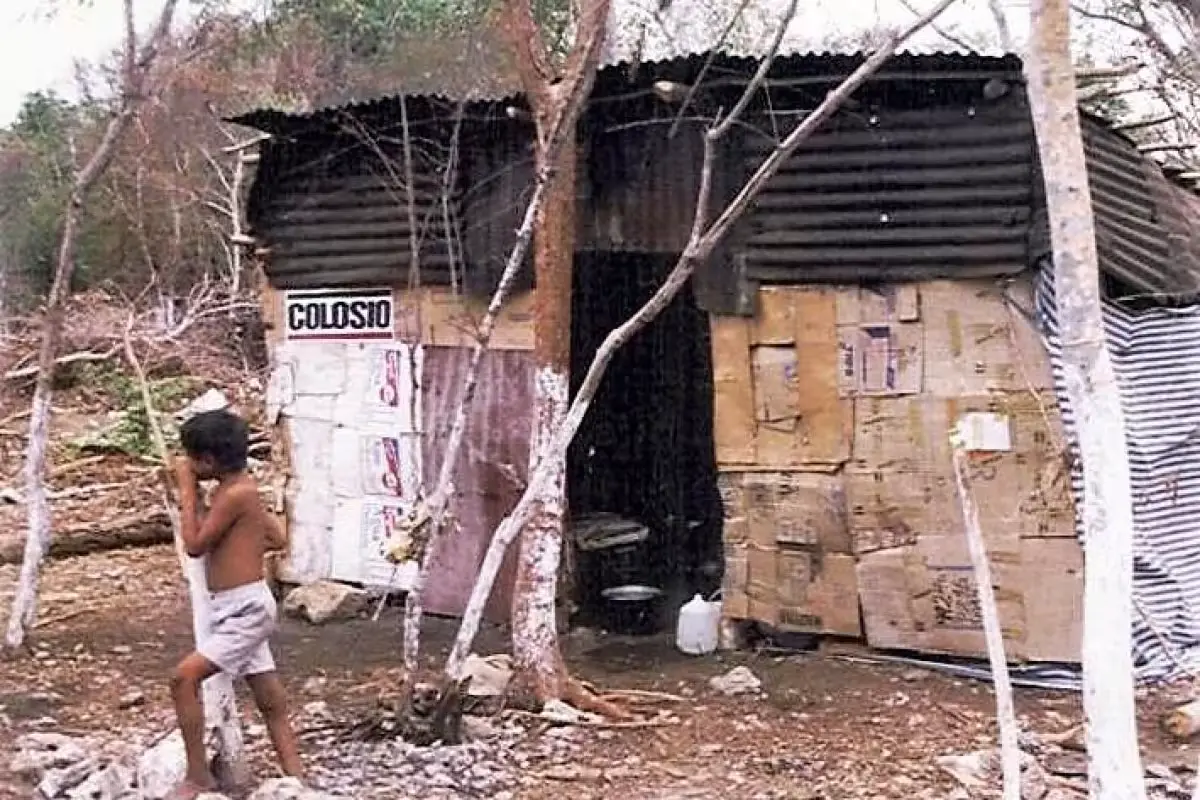
Playa del Carmen, Quintana Roo — More than 500 hotel workers, construction laborers, and professionals invaded a jungle plot here on April 2, 1994, beginning a 32-year struggle to establish what is now the Luis Donaldo Colosio Murrieta neighborhood. Founders recently recounted sleeping in hammocks, battling mosquitoes and snakes, and enduring rainstorms to secure their homes.
“We slept hanging in hammocks for many years to secure property,” said Carlos Sosa, one of the original settlers. “It wasn’t easy—we dealt with mosquito bites, snakes in the jungle area, and worst of all, getting soaked when it rained. We suffered for many years.”
Sosa described chaotic early conditions where people would return from work to find their temporary shelters occupied by others, leading to constant confrontations over land. “We endured hunger. There was no water. The situation was precarious,” he said. “We had to coordinate with others to buy food from downtown Playa del Carmen. The only thing we enjoyed was the fresh wind through the trees—it was marvelous but complicated at the same time. We did it out of necessity.”
Julio Cano Novelo, president of the “Fausto Leonel Villanueva Marrufo” association, said housing needs forced them to take the first machete swing in the predawn hours of that April day. “It wasn’t easy living in the jungle. The situation we lived through was very precarious,” Cano Novelo said. “As we progressed, demand for lots increased because many people were trapped paying high rents in rooms.”
Gabriel Cabañas noted that those early settlers are now grandparents who lived through critical periods without basic services for years. “Thirty-two years after taking the first machete swing in the jungle to build their future and that of their children, they’re still waiting for property titles,” Cabañas said. “It’s not right that opportunistic people now try to dispossess families who have struggled for years.”
The founders said the neighborhood has transformed dramatically over three decades. More than 1,000 commercial establishments now support the local economy by providing jobs. The area along Fifth Avenue from the CTM to 88th Street has developed into an active commercial scene with grocery stores, restaurants, cafes, and lodging centers.
Residents pay taxes but still face deficiencies in garbage collection, medical services, and public safety. The rapid population growth has also contributed to increased violence in the area.
Discover more from Riviera Maya News & Events
Subscribe to get the latest posts sent to your email.