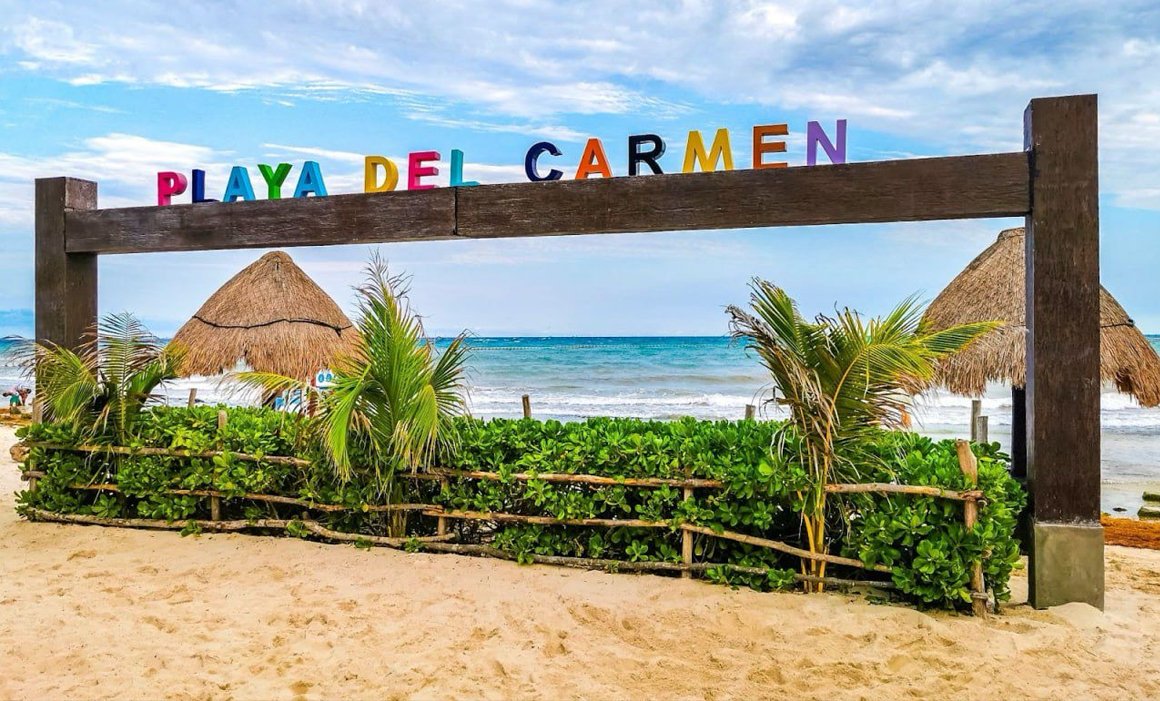
Playa del Carmen, Quintana Roo — The collisions, displacements, and conflicts between city and nature did not begin this year or in Playacar; they are part of a historical backlog that never had protocols, institutional coordination, or a common strategy among municipalities, developments, subdivisions, and residents.
Today, for the first time, there is an open conversation on the topic. And although recent visibility has generated debates and accusations, the solution is not in seeking isolated culprits, but in building—finally—a coexistence model where all actors share responsibility: authorities, citizens, the tourism sector, real estate, and local communities.
In this context, the recent citizen awakening marks a turning point: the fauna of Playa del Carmen is beginning to receive more attention and protection than in any previous stage. This second report does not seek to repeat what has already been documented; it seeks to advance.
It explores what is needed for Playa del Carmen to transition from outrage to the minimum necessary actions to build real coexistence between city, mobility, and wildlife.
A Problem That Did Not Emerge This Year or in a Single Subdivision
The analysis made clear that the impacts on wildlife—deer, coatis, gray foxes, raccoons, spider monkeys—have been occurring for years throughout the region: federal highway, Puerto Aventuras, Xpu-Ha, Chemuyil, and access to jungle areas.
- Playacar has been a visible point because there is community surveillance, but it is not the exception: it is the reflection of a phenomenon that has accompanied the city’s growth for decades.
- What changed with social visibility.
- What is truly new is that today there is a record.
- Organized neighbors, environmental collectives, and community groups have documented events that previously went unnoticed. Although it does not solve the problem by itself, this cultural change does mark a turning point: greater awareness, more participation, and social surveillance that did not exist before.
- That progress is the basis for what comes next.
The Gaps That Prevent an Effective Response
Playa del Carmen faces conditions that complicate coexistence with wildlife:
- There is no updated census of species.
- There are no standardized protocols among municipalities, subdivisions, and hotels.
- Internal mobility grew faster than regulation.
- Poorly managed waste feeds opportunistic wildlife.
- Ornamental vegetation replaced native species that served as food and shelter.
None of these factors emerged this year. All have been accumulating over time.
Where to Advance: Six Necessary Steps
Based on interviews with residents, specialists, and collectives, a minimum line of action emerges to begin correcting the course:
- Generate a basic wildlife census. Without data, public policy cannot be designed. It is the zero point.
- Establish internal mobility guidelines. Real speed limits, control of electric vehicles, exclusive lanes, and functional signage.
- Organize waste management. Separating organics prevents wildlife from depending on garbage and reduces risky approaches.
- Recover native vegetation. Local species maintain biological corridors that ornamental landscapes cannot replace.
- Implement a municipal wildlife coexistence plan. Today it does not exist. This plan must include protocols, responsibilities, and criteria for developments, hotels, residents, and businesses.
- Avoid artificial feeding of animals. Specialists warn that feeding wildlife generates imprinting: animals change their behavior, approach urban areas, and increase their risk.
A Community That Begins to Organize
Neighborhood tables, environmental collectives, and growing citizen participation show that Playa del Carmen is facing an unprecedented opportunity: moving from responding to specific crises to building a collective long-term strategy.
It is not about seeking isolated culprits, but about recognizing that coexistence with wildlife is a shared challenge among mobility, urbanization, public information, community habits, and institutional decisions.
Conclusion: A Starting Point, Not a Closure
Playa del Carmen still retains much of the ecosystem that gave birth to it: jungle, cenotes, natural corridors, and fauna that has coexisted with the city since before its tourist growth.
The challenge now is not to lose that advantage. The city has already started a conversation that had been pending for years.
This report continues that path, with a clear message: it is still possible to build a model where development and nature do not compete, but coexist.
Discover more from Riviera Maya News & Events
Subscribe to get the latest posts sent to your email.