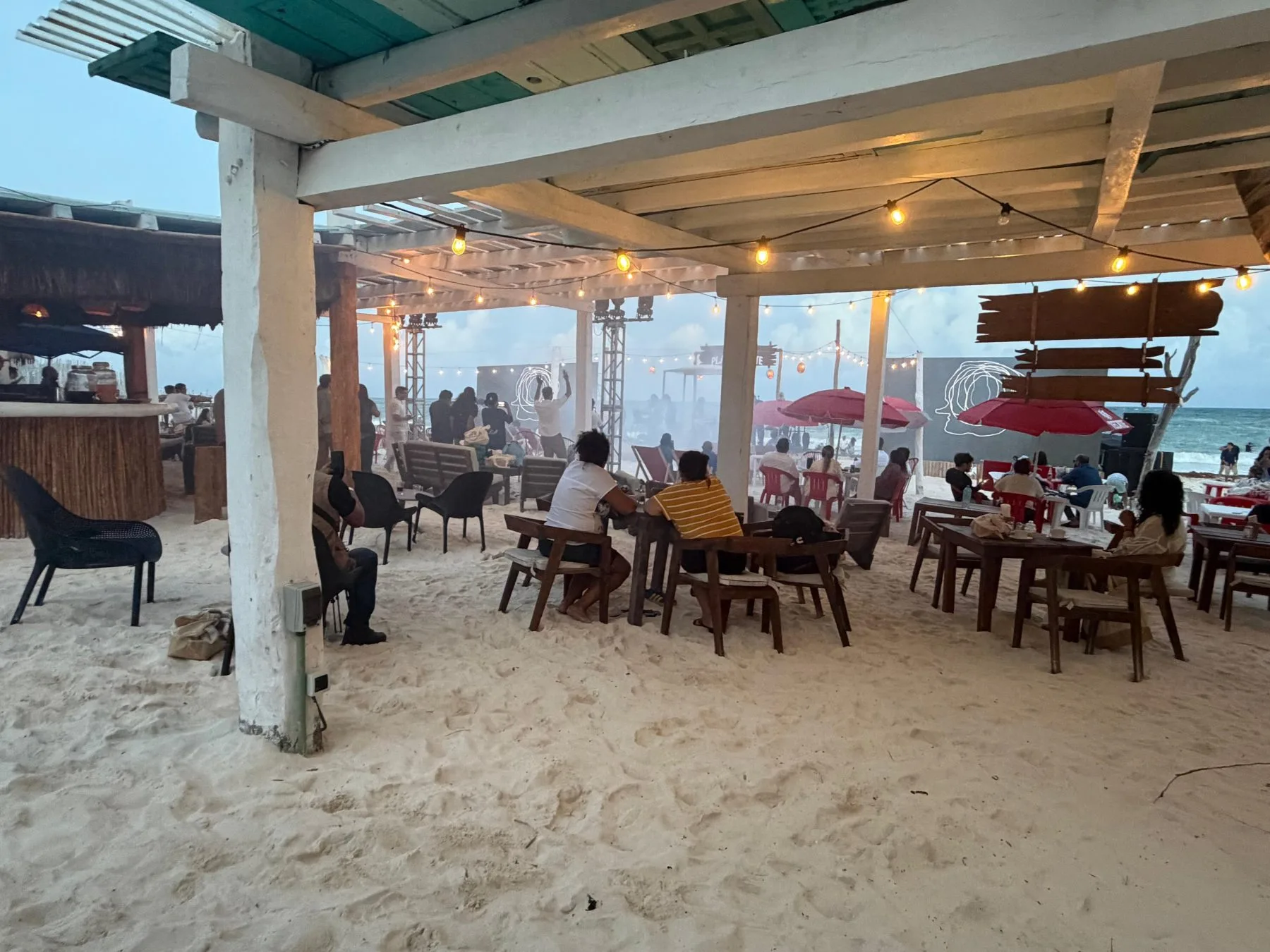
Tulum, Quintana Roo — In many of Mexico’s top tourist destinations, free access to beaches — which by law are national public assets — has become increasingly limited. In some regions of the country, there is reportedly only one public access point for every 100 kilometers of coastline, making it difficult for local communities and visitors to reach the sea without restriction.
Against this backdrop, Acceso Playa Tecate has launched as a new initiative aimed at opening and enabling free, dignified, and accessible beach entry points for anyone wishing to enjoy Mexico’s coastline. The project also promotes responsible coexistence and environmental stewardship in these shared spaces.
The proposal, driven by the Tecate brand in collaboration with hospitality venues and government authorities, seeks to create and formalize free beach access routes across Mexican coasts. In Tulum, two public access points are now operating under the program: Coco Unlimited and Villa Las Estrellas, both of which have agreed to allow public entry through their properties without requiring consumption.
These access points are designed to function without mandatory spending. Visitors are permitted to enter with their own food, beverages, and recreational items, ensuring that access remains genuinely free and without commercial obligation.
Beach Access Context in Tulum
Under Mexico’s Ley General de Bienes Nacionales, beaches are federal public property, defined as the first 20 meters inland from the high-tide line. Federal law requires that access to this zone be guaranteed through public pathways. However, rapid tourism growth and beachfront development in destinations like Tulum have fueled ongoing debates about how accessible these beaches truly are in practice.
Tulum currently maintains several recognized public beach access points, including Playa Santa Fe, Playa Pescadores, Playa Mirador, and designated municipal access corridors along the hotel zone. Still, residents and advocacy groups have long argued that access remains inconsistent, particularly in areas dominated by private hotels and beach clubs.
The Acceso Playa Tecate initiative enters this broader national conversation by working with private establishments to voluntarily open passageways to the federal maritime zone.
Environmental Component
As part of HEINEKEN México’s environmental responsibility strategy, the initiative will install waste separation and recycling containers at participating access points. These will be integrated into an organized waste collection system aimed at promoting sustainable practices among beachgoers.
Organizers emphasize that the project seeks not only to expand access but also to reinforce a culture of responsible use and environmental care.
“Acceso Playa Tecate reflects our ongoing commitment to stand alongside Mexicans and promote bold actions that generate real impact,” said Esteban Velasco, Director of Tecate. “This initiative stems from the conviction that free access to beaches can coexist with a culture of responsibility and respect. We believe in a long-term vision that promotes environmental stewardship and the value of public spaces so they remain meeting points for communities today and in the future.”
Broader Rollout Planned
The initiative is part of a larger strategy focused on promoting open access and responsible coexistence in public spaces. Three free-access locations will be enabled in Quintana Roo during the first phase, beginning in Tulum. Expansion into other coastal states is planned later this year, with the goal of increasing opportunities for people to enjoy Mexico’s beaches freely, responsibly, and sustainably.
“By promoting free beach access in Tulum, Acceso Playa Tecate launches in the southeast and places a necessary conversation on the table about access, coexistence, and responsible use of public spaces in one of Mexico’s most visited destinations,” said Fabián Ruiz, Commercial Director for the Southeast at HEINEKEN México. “Through partnerships with hospitality venues and local stakeholders, we seek to facilitate open access while promoting respectful interaction with the environment. When the private sector listens and works hand in hand with communities, it is possible to strengthen public use of shared spaces and contribute to more accessible and sustainable environments for all.”
As tourism and coastal development continue to reshape Mexico’s shoreline, initiatives like this one add a new dimension to an ongoing national discussion about the balance between private enterprise and public rights along the country’s beaches.
Discover more from Riviera Maya News & Events
Subscribe to get the latest posts sent to your email.