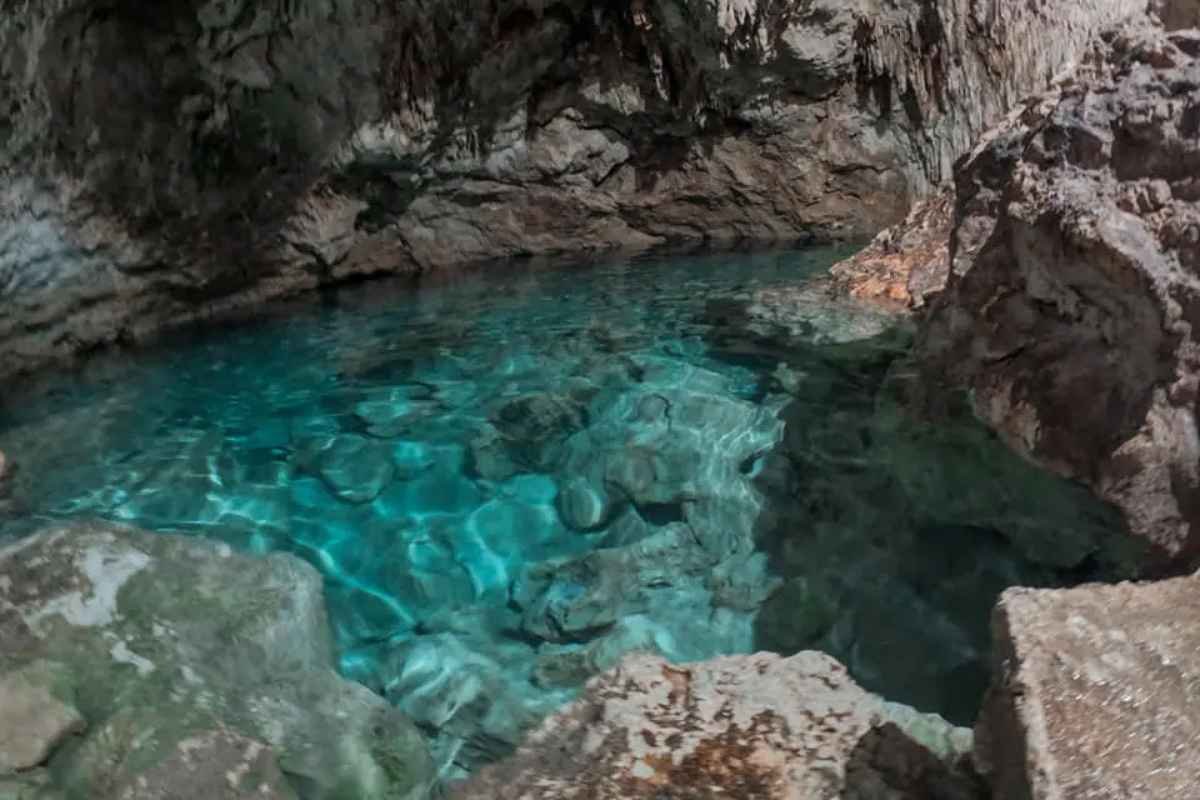
Playa del Carmen, Quintana Roo — A coalition of environmental groups has begun monitoring 60 cenotes across the Yucatan Peninsula to measure contamination in the Maya aquifer and turn years of academic research into cleanup action.
The Maya Aquifer Ecological Integrity Network, known by its Spanish initials RIEAM, launched the program amid what its members describe as worsening damage to the region’s underground water system. The network was created in 2025 as a successor to the Ts’onot project and brings together six organizations from Yucatan and Quintana Roo, working with local communities, researchers, civil groups and conservation funders.
Guillermo D’Christi, a member of the initiative, said the goal goes beyond producing scientific studies of the aquifer’s condition. The network also wants to involve residents and authorities in fixing the problems the monitoring uncovers, he said.
Researchers have studied pollution in cenotes, caves and caverns for years, D’Christi said, but much of that work stays in academic archives and never translates into concrete protection measures. RIEAM intends to make the new data accessible to the public so it can be used to demand and promote cleanup efforts.
90% of cenotes in Playa del Carmen’s urban area show contamination
D’Christi cited Playa del Carmen as an example of the problem’s severity: 90% of the cenotes inside the city’s urban sprawl show some level of contamination, he said, a sign of the pressure that urban growth places on underground water systems.
Monitoring the first 60 water bodies will begin building a regional baseline of environmental conditions and identify sites that need intervention. D’Christi said the harder task will be using those findings to reverse contamination and keep the research from becoming just another reference document.
Asked about the lack of comprehensive studies on how urban development has affected cenotes, caves and caverns in Quintana Roo, he said protecting the aquifer should be treated as a shared responsibility. Academics, scientists, environmental groups, authorities and residents all need to take part in identifying problems and finding solutions, he said.
D’Christi said civic organizations formed RIEAM after deciding to coordinate their efforts when official responses fell short. Conserving the Maya aquifer cannot rest with a single institution or group of specialists, he added, because it requires everyone involved in using and protecting the water. The challenge, he said, is to ensure contamination data leaves the academic sphere and becomes concrete action to protect and restore the peninsula’s cenotes.
More Environment
- Playa del Carmen Residents Submit Petition to Save Two Poplar Trees and a Cenote
- Quintana Roo Swelters Under 40°C Heat as Stalled Cold Front Brings Isolated Showers
- SpaceX Rocket Debris Washes Ashore in Tamaulipas as Turtles and Dolphins Turn Up Dead
- Cozumel Becomes First to Install Solar Panels at Public Schools
- Playa del Carmen Builds First Site of Experimental Sargassum Treatment Center
More Playa del Carmen
- Playa del Carmen Mayor Calls AI Videos a ‘Kindergarten Dirty War’ and Points to Friendly Fire
- Xcaret Founder Miguel Quintana Pali Inducted Into IAAPA Hall of Fame
- Mexico’s Supreme Court to Review Revocation of Aguakán Water Concession in Quintana Roo
- Architects Propose Urban Observatory to Monitor Playa del Carmen Growth
- Mototaxi Plating in Playa del Carmen Stalls at 45% of Fleet as Year-End Goal Looms