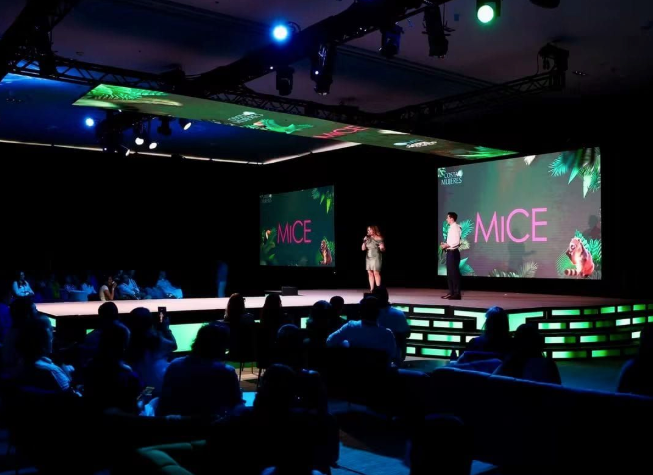
Cancún, Quintana Roo — The meetings industry has become a vital engine for the economic and professional growth of tourist destinations, and the Mexican Caribbean still has significant room to expand, according to a senior MPI official speaking at the close of the ViveMICE 2026 event in Costa Mujeres.
Federico Toja, MPI’s director of chapter operations for Latin America and Europe, said the sector’s priority should be offering networking spaces that advance careers and businesses through a shared global vision.
“Synergy is important; there are about 68 chapters in the world under MPI alone, but everything MPI does is open to anyone working in the meetings and events sector,” Toja said. “That synergy opens up opportunities for business, learning and discovering new destinations.”
The Mexican Caribbean has become a success story in this model, Toja said. Its MPI chapter, despite being only six years old, has won international awards by closely following MPI’s global guidelines.
He also noted that after the disruptions of the pandemic, the industry quickly adopted hybrid connections and new technologies. Yet he stressed that face-to-face encounters remain irreplaceable. “Face-to-face interaction not only strengthens relationships but also guarantees a higher return on investment for everyone in the industry’s value chain,” he said.
Toja added that all industry players must embrace new technologies, with artificial intelligence emerging as the next major frontier for MPI members to improve learning and connectivity. But he warned that technical adaptation must go hand in hand with social responsibility and sustainability. Events that fail to incorporate those trends, he said, will be left behind in an industry moving toward more conscious and efficient models.
“The meetings and events sector has always shown that it is an important economic driver for destinations in terms of jobs and revenue,” Toja said. “Since the pandemic, new possibilities have opened up with hybrid connections and, now, artificial intelligence. But the one-on-one, in-person meeting always proves to be a relational factor and a very important return on investment.”
Looking ahead, he said the industry’s future growth depends on the integration of all strategic partners in a destination to deliver a competitive experience.
More Economy
- Aeromexico Eyes New U.S. Routes After Mexico City Limits End
- Meliá Invests €50 Million in Paradisus Cancún Renovation
- Mara Lezama Hands Out 100 Sewing Machines in Chetumal to Boost Women’s Self-Employment
- Tourism Slump Forces 35% of Skål México Businesses to Borrow to Cover Payroll
- Kukulcán Interchange in Cancún to Be Completed by Late 2026, SICT Says
More Quintana Roo
- Quintana Roo Youth Sailors Join Mexico’s Team for Optimist Championship in Uruguay
- Crystal Meth Addiction Surges in Quintana Roo, Fuels Nearly 90% of Homicides
- Quintana Roo Leads Yucatan Peninsula in Rape and Sexual Abuse Cases
- Orionid Meteor Shower to Peak Over Mexico on Oct. 21-22
- Cancún Prosecutor Arrested Over Sex Trafficking of Two Women