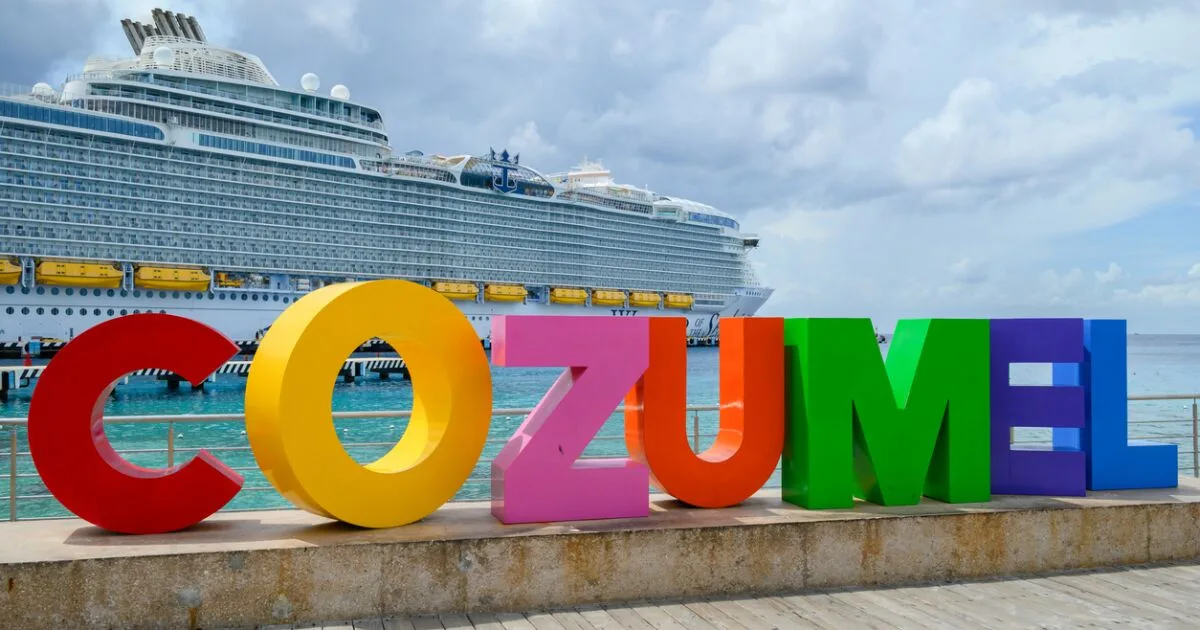
Cozumel, Quintana Roo — The island of Cozumel, a jewel of the Mexican Caribbean, is experiencing an unprecedented tourism boom that officials and industry groups estimate could surpass 9 million annual visitors by 2026, up from nearly 5 million in 2025. However, this economic surge is raising alarms about environmental sustainability, with experts warning of irreversible damage to fragile ecosystems.
Organizations like Greenpeace caution that accelerated growth could have severe consequences for the island’s coral reefs and natural reserves. The local hotel industry and community also express concerns about tensions between economic benefits, environmental conservation, and residents’ quality of life.
Cozumel’s Tourism Profile
Cozumel’s tourism is characterized by day-trippers arriving via cruise ships rather than overnight visitors. According to Mexico’s Tourism Secretariat, Cozumel handles 42% of the country’s cruise passenger arrivals, making it Mexico’s top cruise port.
Iliana López, impact director at Hoteles BF, explains that this type of tourism doesn’t provide the same economic benefit to local communities as hotel-based tourism. “The community isn’t seeing economic benefits because the economic power of that tourism is concentrated in few hands,” López says.
Meanwhile, the rise of vacation rentals and real estate developments has altered economic dynamics. “These Airbnbs… also don’t generate much economic spillover because what they do is occupy their condominiums,” López adds.
New Tourism Projects
The tourism growth comes with new infrastructure developments, from piers to large-scale resort complexes. While some projects like a fourth cruise ship pier have been halted, others continue advancing or remain under evaluation.
These include initiatives linked to major international corporations, generating concern among residents who fear impacts like rising prices, pressure on natural resources, and social transformation. Real estate expansion also increases pressure on the island’s territory and basic services.
“Stress on biodiversity clearly comes from real estate developments, due to bridge and pier construction. We also have issues with poor waste management, biodiversity degradation, and declining water quality,” López notes.
Earlier this year, Royal Caribbean submitted Environmental Impact Assessments to Mexico’s Environment Secretariat for two water parks planned for Cozumel and Mahahual.
Environmental Damage Alerts
The tourism growth highlights Cozumel’s environmental fragility. The island hosts key ecosystems including coral reefs, mangroves, and natural reserves essential for both biodiversity and the local economy.
“These types of projects are designed to receive high visitor demand in very short periods. In Mahahual, for example, a town with fewer than 3,000 inhabitants, Royal Caribbean plans to receive over 21,000 tourists daily. This implies disproportionate environmental pressure on highly fragile coastal ecosystems that also face severe climate change impacts,” Greenpeace warns.
Environmental deterioration already shows visible effects. “One cause of coral bleaching is water quality,” says López, noting this phenomenon threatens the island’s main tourist attraction: reef diving.
López describes particular damage at “El Cielo,” a sandbar and marine sanctuary known for its crystal-clear shallow waters inhabited by hundreds of starfish. “There are uncertified boats, people go there, drink, relieve themselves, and all that affects the starfish. That’s why it’s crucial for the government to get serious and start measuring tourist destinations’ carrying capacity and begin enforcing compliance,” she comments.
Cozumel Residents Defend Their Island
Facing these challenges, local residents have begun organizing to defend the balance between development and conservation. Opposition to the fourth pier marked a turning point in citizen participation.
“Residents are now more awake and empowered,” says López, highlighting that community collaboration has proven effective in influencing large-scale decisions.
This activism also responds to concerns about the island’s economic future. Dependence on tourism means any environmental deterioration directly affects residents’ income.
In this context, López warns about the risk of an unsustainable model: “The moment Cozumel stops being attractive to tourists, it will start becoming a ghost island.”
Cozumel’s case reflects an increasingly common dilemma in high-demand tourist destinations: how to balance economic growth with environmental sustainability. As tourism continues rising, signs of ecological and social pressure intensify.
For specialists, the solution involves transitioning toward regenerative tourism models that integrate communities, protect ecosystems, and ensure more equitable economic benefits. Otherwise, today’s tourism success could become the main risk to the island’s future.
Discover more from Riviera Maya News & Events
Subscribe to get the latest posts sent to your email.