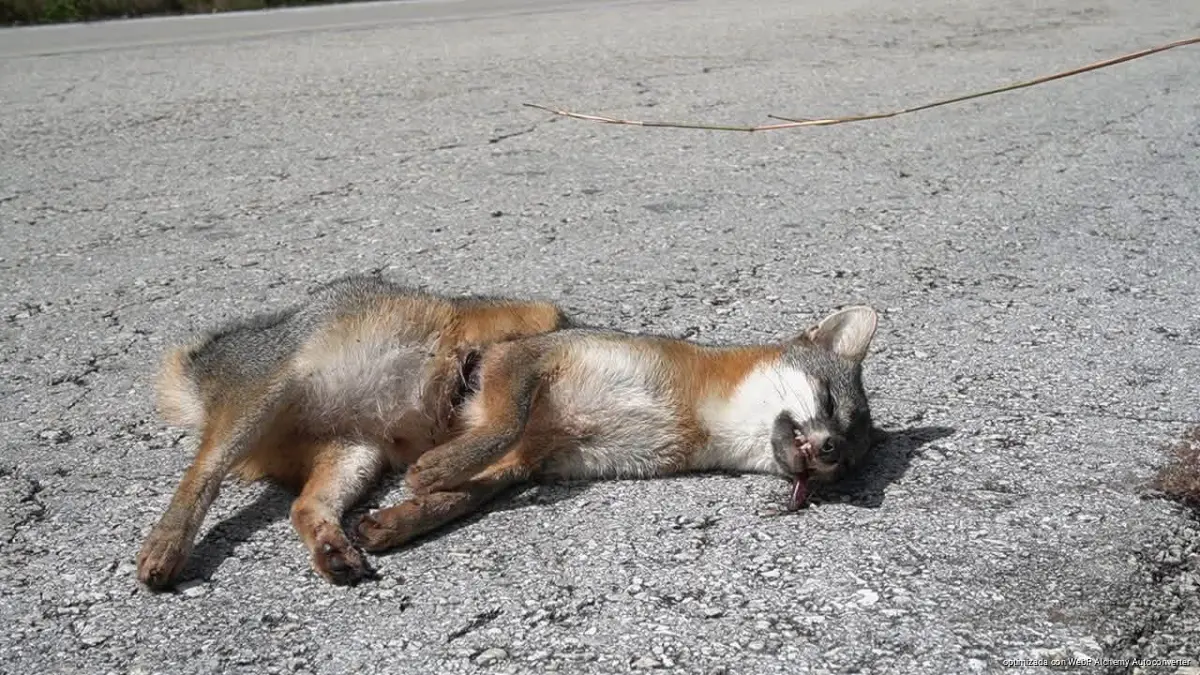
Mahahual, Quintana Roo — The conservation group Proyecto Aak Mahahual has called on authorities to build wildlife crossings and install warning signs along local roads, citing animals it has documented being struck by vehicles.
The organization also urged drivers to slow down, particularly during holiday periods when traffic levels rise sharply.
As part of its monitoring work, the group said it had received photographs of a gray fox. On Saturday it reported recording two bird species: a common gallinule and a juvenile black-crowned night heron. The association did not specify how many animals have been struck in total or which stretches of road see the most incidents.
Proyecto Aak warned that heavier traffic during vacation seasons raises the risk for animals that cross roads to move through their habitat. It asked drivers in the area to stay alert and to give way to wildlife when animals appear on the roadway.
Two Measures Requested
The group’s request to authorities focuses on two specific measures: posting signs that alert drivers to the presence of animals and creating crossings that allow wildlife to pass more safely.
The absence of signage, the group said, leaves motorists without warning at points where they may encounter wild animals.
Proyecto Aak continues to keep a record of wildlife strikes in Mahahual. The information it released did not include any response from authorities or a timetable for installing the signs or opening the crossings it has requested.
More Environment
- Flamingos Return to Ría Celestún as Winter Refuge Season Begins
- Belizean NGO Warns of Rising Manatee Deaths in Chetumal Bay
- Monarch Butterfly Breeding Activity Documented in Cozumel for Third Consecutive Year
- Mahahual Landfill Overflows, Spilling Trash Onto the Cafetal-Mahahual Highway
- Isla Mujeres Earns Platinum Beach Distinction for Second Straight Year