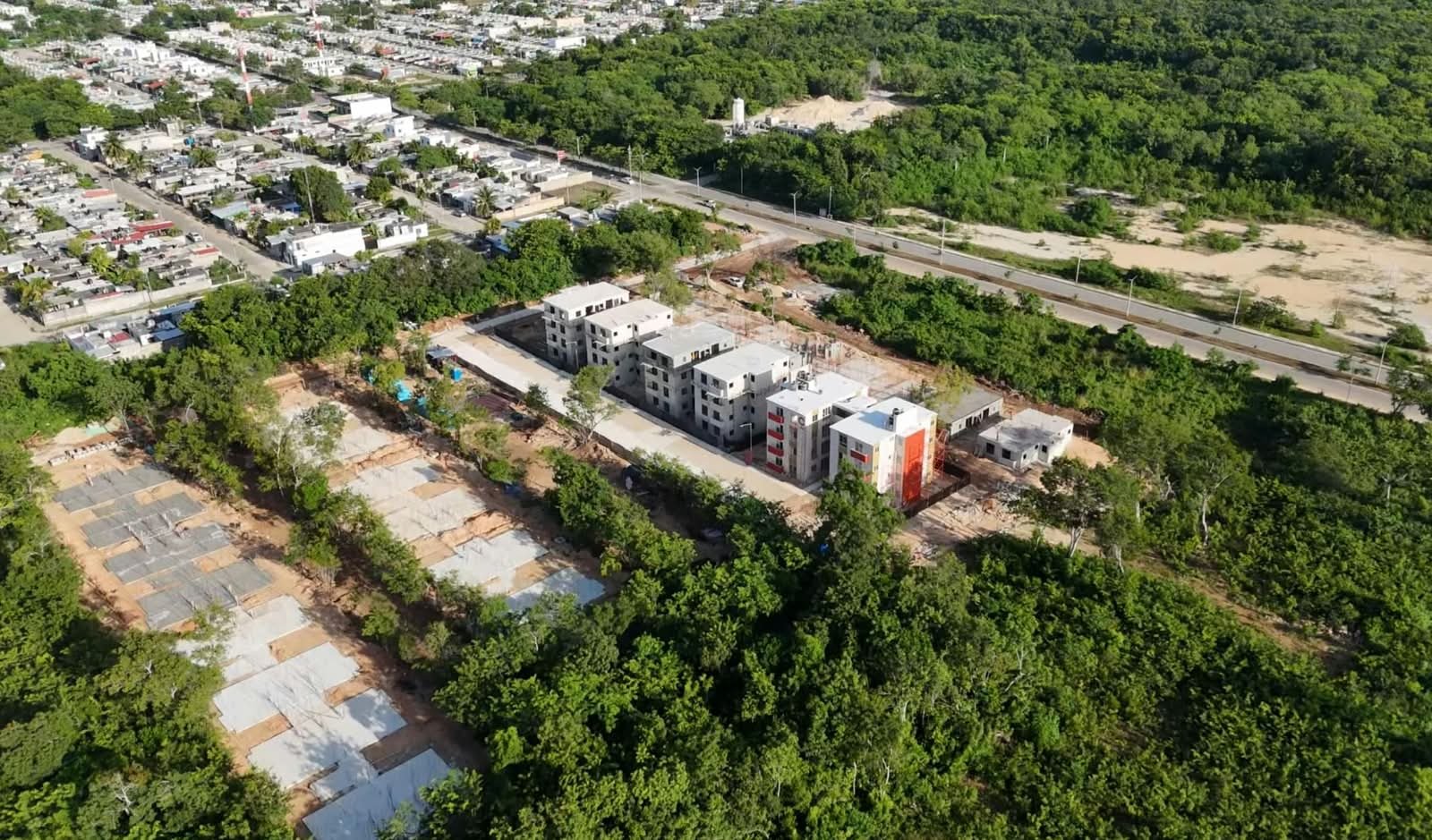
Chetumal, Quintana Roo — A walk through a new subdivision can feel very different when there is shade between home, the bus stop and the shops. Two Quintana Roo lawmakers want developers to plan for that shade before construction begins, with a proposed minimum of one tree every 15 meters along central medians, sidewalks and pedestrian areas in new urbanization projects, subdivisions and commercial zones.
Legislators Luz Gabriela Mora Castillo and Ricardo Velazco Rodríguez introduced the proposed change to Article 58 of the state’s urban-tree law. In the January 23 legislative session, the initiative was sent to the environment and sustainable urban-development committees for review. It has not been approved, so the 15-meter rule is not currently in force.
Quintana Roo already requires urbanization projects, subdivisions and shopping centers to include treed areas, preferably planted with native species. The law also requires projects with parking areas to preserve existing trees there and arrange parking spaces around their natural shade. The new proposal would make the requirement more specific along streets and pedestrian routes and extend attention to trees already standing on land being developed.
That distinction matters. Keeping a mature tree can provide usable shade sooner than planting a young one. The U.S. Environmental Protection Agency says trees cool streets and other paved areas through shade and the release of water from their leaves. More comfortable walking routes could make everyday trips easier for residents, while visitors would also benefit in commercial and tourist areas.
Choosing Trees That Work With the Street
The proposal calls for species to be chosen using technical criteria, with priority for trees native to the region and suited to each site. The choice is practical as well as environmental: a tree needs enough room to grow without obstructing pedestrians or damaging nearby infrastructure. Mora Castillo said the species selected should suit urban conditions, including the size of sidewalks and the location of services.
Planting is only the first step toward a shaded street. Trees must survive, grow and be maintained before they deliver the intended benefit. Existing state law assigns municipalities a role in conserving and maintaining urban trees, while the separate urban-development law already requires arborization in several types of new streets. The proposed spacing standard would give planners and residents a clearer measure against which to assess future projects.
Mora Castillo said a separate reform could later propose fines for noncompliance. Lawmakers are also considering whether inadequate tree plans could affect development permits. Neither measure is part of an approved new rule. For now, the question before Congress is whether to turn the proposed 15-meter spacing into a statewide obligation—and how to ensure the trees remain healthy long after a development opens.
More Development
- Punta Esmeralda Access Road Work Lacks Environmental Permit, Biologist Warns
- El Dorado Royale Opens First Aquaponics Agrotourism Farm in the Riviera Maya
- Semarnat Rejects 387-Home Incaribe Development on Punta Sam–Cancún Road
- Quintana Roo Flags 18 More Isla Mujeres Developments Sold Without Permits
- Tulum Landlords Slash Rents as Tourism Crisis Leaves Properties Empty
More Quintana Roo
- Mexico November 16 holiday: triple pay for workers
- SOC Places 136.6 Million Pesos in Business Loans in Quintana Roo
- El Buen Fin 2026 Kicks Off November 13 With Five Days of Discounts Across Mexico
- Xel-Há Triathlon 2026 Returns to Tulum Nov. 14-15 With National Elite Field
- Quintana Roo Judge Postpones Hearing Against Police Officer Accused of Botching Femicide Probe