Yucatán, Mexico — A rise in snakebite cases was recorded in Yucatán during the last epidemiological week, with 40% caused by venomous species, according to data from the Ministry of Health.
The Epidemiological Bulletin for week 29 reported that between July 19 and 25, five bites from these reptiles were recorded in Yucatán and two more in Quintana Roo.
The report indicates that a man and a woman were bitten by rattlesnakes in Yucatán, which are considered venomous. Three other women were attacked by other snakes.
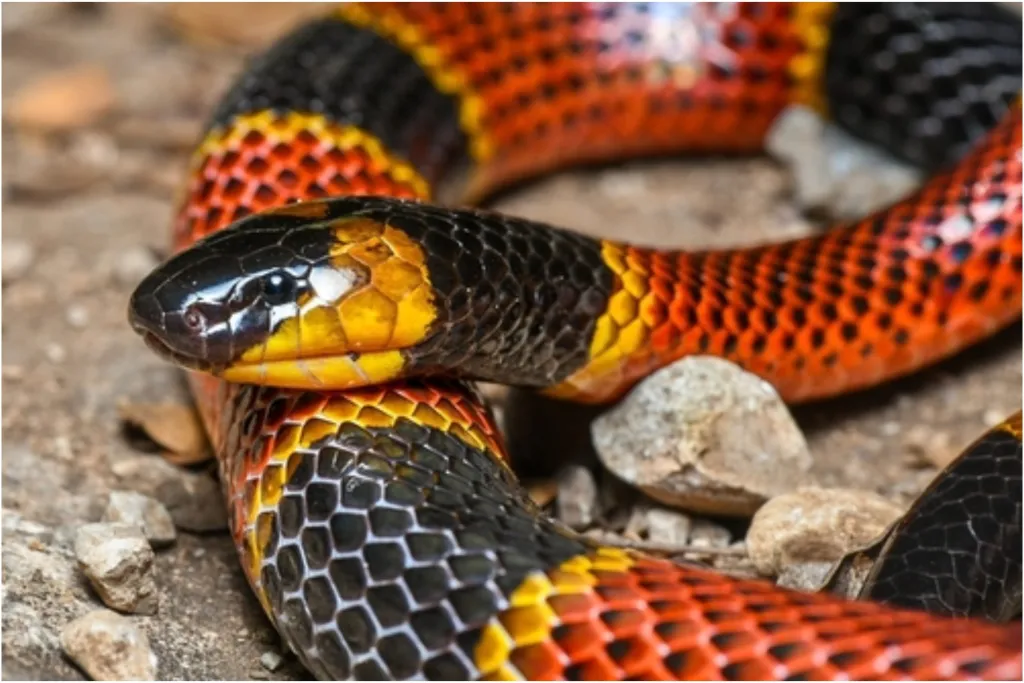
In Quintana Roo, a man was bitten by a coral snake, also classified as venomous. Another man was bitten by a different type of reptile.
Snake Bites in the Yucatán Peninsula
In contrast, the previous week, between July 12 and 18, only one man reported being bitten by a non-venomous snake in Yucatán. There were no cases in Campeche during the last two weeks, although it remains in second place this year.
To date, in 2026, 54 people in Yucatán have suffered bites from these reptiles. Of these, 14 were victims of rattlesnakes and two of coral snakes. In comparison, for the same period last year there were 39 reported cases, 15 fewer than this year. Of those, 14 were rattlesnake bites and one was a coral snake bite.
In Campeche, there have already been 27 snake attacks: 11 from rattlesnakes, two from coral snakes, and 14 from other types. Last year, up to week 29, there were only eight reports, one of them involving a coral snake.
In Quintana Roo, 21 people have been bitten by snakes this year, four of them venomous (one rattlesnake and three coral snakes). At the same time last year, there were 34 cases (four rattlesnakes and four coral snakes).
As detailed in a separate note, specialists have explained that the growth of urban areas has led to their sighting becoming more frequent.
Venomous Snakes in Yucatán
However, of the 58 species recorded in the region, only five represent a significant medical risk to people, reported Luis Fernando Díaz Gamboa, director of the Civil Association for the Conservation of Amphibians and Reptiles of Yucatán.
The biologist explained that the region's venomous snakes belong to two families: Elapidae, which includes coral snakes, and Viperidae, which includes vipers. He noted that a simple way to identify vipers is by their heads, which are triangular or diamond-shaped, while coral snakes are distinguished by their striking red, yellow, and black rings.
Bites from snakes that do not belong to these families usually cause pain, swelling and, in some cases, blisters with blood accumulation, but they generally do not pose a risk to life, unlike accidents caused by coral snakes or vipers, he specified.
The biologist pointed out that the five species of medical importance present in the Yucatán Peninsula are the coral snake, the rattlesnake, the cantil, the royal nauyaca and the pig-nosed nauyaca of Yucatán.
What to Do in Case of a Snake Bite
The Yucatán Health Secretariat issued a series of recommendations in case of a snake bite, in order to reduce the risk of complications and facilitate medical care.
Key instructions include remaining calm and trying to identify the animal by its head shape and coloration. If conditions permit, take a photograph from a safe distance.
It is also important to remember the time the accident occurred and to ask for help from a family member or call 911.
In addition, it is recommended to remove rings, bracelets or tight clothing before swelling appears and to wash the wound only with soap and water.
Medical Attention for Snake Bite
Authorities urged people not to use practices that could worsen the injury, such as applying tourniquets, trying to suck out the venom, making cuts over the wound, using home remedies, or applying alcohol or ice.
They also called for respect for wildlife and urged people to avoid capturing or harming the snake, as this could pose an additional risk.
In case of a bite, people should go immediately to the state's health centers. Health specialists will determine the type of treatment. If it is a venomous species, they may administer antivenom intravenously.
More Lifestyle
- Puerto Aventuras Migrant Shelter Issues Urgent Call for Food and Basic Supplies
- Cancún Airport Workers Question What Happens to Lost Items
- Mexico to Restrict Cellphones Throughout the School Day Beginning in October
- Cozumel to Welcome More Than 2,500 Triathletes for Ironman 70.3
- Mexico Opens First IMSS-Bienestar Hospital Blending Traditional Midwives With Clinical Medicine