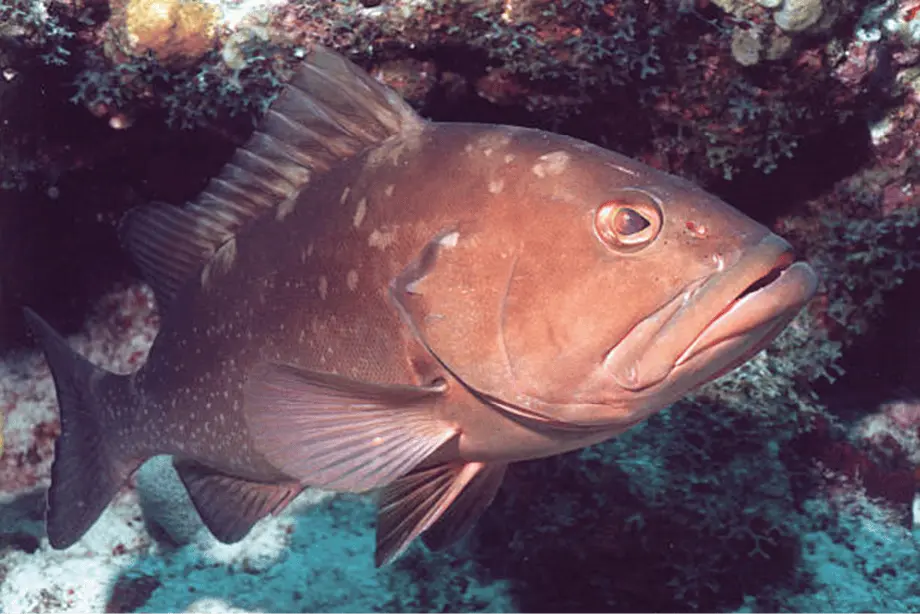
PROGRESO, Yucatán — Yucatán’s grouper fishing season is delivering benefits well beyond the boats that head offshore in search of one of the state’s most commercially important fish.
In Progreso, fishermen who catch sardines for use as bait say demand has remained strong since grouper season began, providing a modest but steady source of income for families working out of La Caleta and other parts of the port.
Sardines are currently selling for between 6 and 8 pesos per kilogram, according to local fishermen, with buyers including companies that provision larger grouper vessels, fishing cooperatives and independent small-scale fishermen.
Aurelio Castillo Be, a fisherman from La Caleta, said the constant departure of both larger vessels and smaller boats targeting grouper has kept demand flowing. During the active fishing season, he said, sardine fishermen are generally able to sell nearly everything they bring back to shore.
The relationship between the two fisheries is not new. Sardines have long been one of the principal baits used in Yucatán’s grouper fishery, meaning that when the grouper fleet is active, bait fishermen often see a corresponding increase in business. In previous seasons, local fishermen have similarly reported stronger sardine prices and demand after the reopening of grouper fishing.
A Small Fish With an Important Role in the Local Economy
For sardine fishermen, the numbers are relatively modest but meaningful. Miguel Sánchez, who works in the sardine fishery, said current catches are plentiful and that, when sea conditions cooperate, a two-day trip can generate between 600 and 700 pesos in income.
That money supports households that depend on the sea not through one major fishery, but through a web of smaller activities tied to the larger commercial fleet. The larger grouper boats need bait. Cooperatives need supplies. Independent fishermen need fresh sardines before heading out. That creates a local chain of economic activity in which one successful fishing season can help sustain several different groups of workers.
Progreso is Yucatán’s principal port and one of the state’s most important fishing centers, with both offshore and small-scale fleets operating from the area.
Grouper Season Keeps Demand High
The grouper fishery is currently open after the annual two-month closure that runs from February 1 through March 31 in federal waters of the Gulf of Mexico and Caribbean covered by the regulation. The seasonal ban is intended to protect grouper during an important reproductive period and support the long-term sustainability of the fishery.
Once the closure ends and the fleet returns to sea, demand for bait rises quickly.
That is why sardine fishermen are closely tied to the movements of the grouper fleet. A steady rhythm of departures by large boats and smaller coastal vessels generally means more buyers waiting for bait.
The current price of 6 to 8 pesos per kilogram also compares favorably with some earlier seasons. In 2019, for example, fishermen in Progreso reported selling sardines for about 5 pesos per kilogram as grouper fishing resumed. In 2023, local fishermen again identified sardines as the principal bait used for grouper and warned that stronger demand could push prices higher.
Octopus Season Could Change the Picture
The current favorable conditions may not last through the rest of the summer. Yucatán’s octopus season begins August 1, after the annual closed season ends on July 31. Once octopus fishing resumes, part of the fleet traditionally shifts away from scale fish such as grouper and toward the highly valuable octopus fishery.
That shift could reduce demand for sardines used as bait for grouper and other finfish.
Octopus is one of Yucatán’s most important fisheries. During the previous season, federal authorities established an allowable catch of 28,000 metric tons of red octopus, or Octopus maya, for Campeche and Yucatán combined, underscoring the economic significance of the fishery to coastal communities.
For sardine fishermen, however, the opening of octopus season can mean fewer customers as boats and crews change their target species.
Weather Remains the Daily Wild Card
As always, the weather determines whether fishermen can actually get out to sea. Recent poor conditions have forced some sardine fishermen to suspend trips temporarily, limiting catches and income. For small-scale crews, even a few lost days can matter, especially during a relatively short period of strong demand.
For now, fishermen say there is plenty of sardine available, buyers are active and prices remain stable.
It is a small corner of Yucatán’s much larger fishing economy, but it illustrates how closely connected coastal livelihoods can be. A grouper boat leaving port creates work not only for its own crew, but also for the fishermen catching its bait, the cooperatives buying and selling supplies and the families whose income depends on keeping that chain moving.
For Progreso’s sardine fishermen, the goal is simply to make the most of the good weeks while they last.