
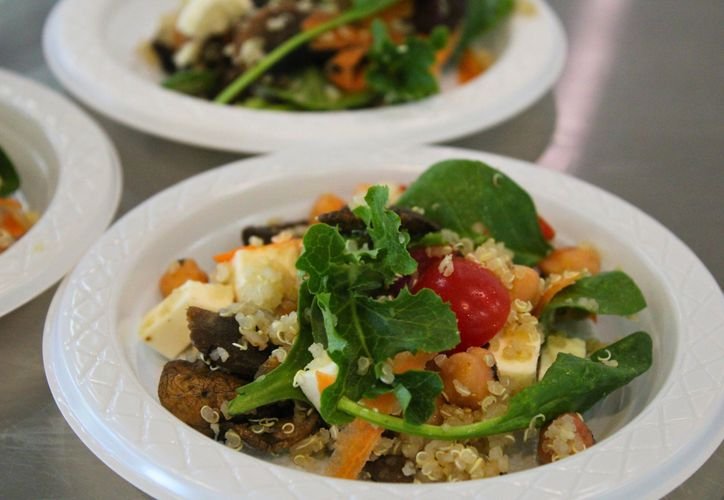
Cancún, Quintana Roo — Only 10 hotels in Cancún donate their surplus food to social assistance institutions like Cáritas and the Food Bank, a minimal number that hampers efforts to aid vulnerable populations, according to local charity officials.
Miguel Gutiérrez Pacheco, director of Cáritas in Cancún, explained that hotels are often reluctant to donate because it would imply admitting inefficiency in calculating the food needed for guests. He also cited “a certain fear of liability” as a key deterrent.
Gutiérrez assured that in 10 years of this work, they have never had issues with the cold chain during food distribution. He clarified that if any health complications arise from consuming the donated food among low-income recipients, the distributing institution—not the donating hotel—would be responsible.
Amid this low donation culture and high waste, Cáritas announced it will strengthen its operational capacity to rescue more products and serve thousands of vulnerable families.
The organization has significantly increased its recovery capacity, rising from 170 to over 200 metric tons of rescued food per month so far in 2026—an increase of roughly 30 tons compared to the previous year.
This growth was made possible by acquiring new equipment, including a 14-ton truck that expands collection coverage. The truck enables weekly transfers to distribution centers in Mérida to recover meat products like ham and sausages.
Gutiérrez anticipates a spike in food waste during Holy Week, particularly in households.
He referenced a 2025 nationwide study which found that Cancún residents discard an average of 220 grams of food per person daily, ranking it among the six cities analyzed with the highest waste levels.
Currently, the food bank serves about 16,000 beneficiaries, providing an average of nine kilograms of food per person monthly. Family packages exceed 30 kilograms and include staples, fruits, vegetables, proteins, and beverages.
Gutiérrez noted that many beneficiaries work in the informal sector or, even with employment, live in vulnerable conditions that hinder consistent access to adequate nutrition.
He also highlighted that rising fuel costs pose an operational challenge, as they represent one of the main expenses after payroll, affecting the logistics of collection and distribution.
More Lifestyle
- Mahahual Hosts Nearly 100 Birdwatchers for 12th Regional Pajareada
- Five Finalists Chosen for Xmatkuil Fair Ambassador Contest
- Yucatecan Filmmaker Wins Ariel Award for Cliff Divers Film
- Same-Sex Marriages Nearly Triple in Yucatán as 2025 Sets an Eight-Year Record
- Yucatán Monitors Low-Pressure System in Gulf of Mexico for Possible Cyclone
More Cancun
- Hotels in Cancún and Puerto Morelos Restore Coastal Dunes With Native Plants
- Canada Arms Trafficking Suspect Arrested in Cancún
- Cancún to Repave 2.6 Kilometers of Avenida De los Colegios in January 2027
- Cancún Loses 20 Restaurants So Far This Year, Industry Group Says
- Quintana Roo Police Arrest Two Guatemalan Fugitives With Interpol Red Notices
