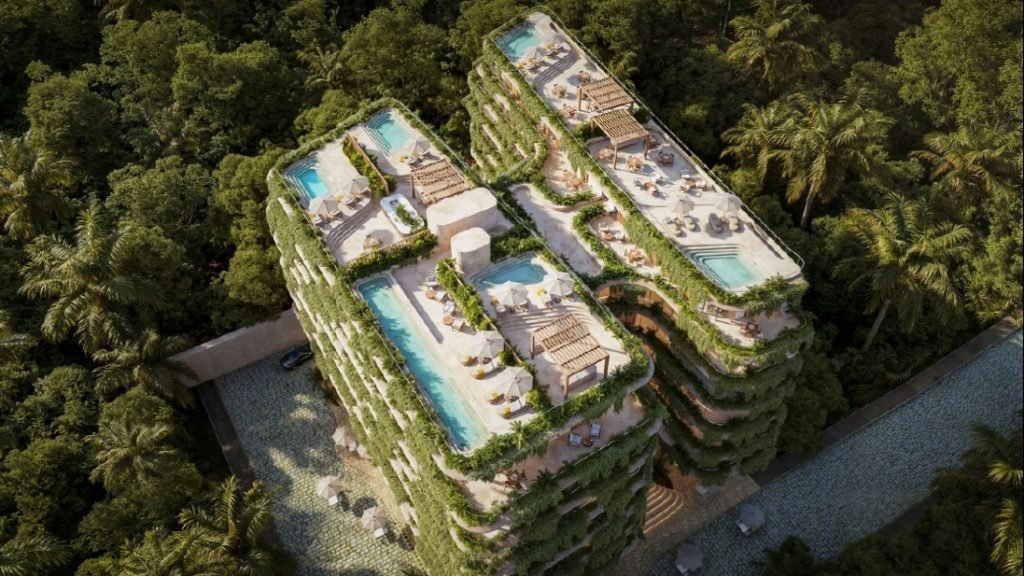
Playa del Carmen, Quintana Roo — Environmental organizations in Playa del Carmen have raised alarms over a new real estate project planned near the Chenzubul coastal area, which activists describe as one of the last remaining stretches of beach with intact natural ecosystems within the city.
Rodrigo Garcidueña, director of the environmental group Pulmón Verde PDC, said he recently learned of plans for a development called “The Grove,” which would include apartment towers and residential and commercial lots on land adjacent to the mangrove area near Cocobeach.
Garcidueña warned that the project could damage the mangrove ecosystems in the zone and expressed opposition to any intervention involving large-scale removal of native vegetation.
“We no longer trust real estate developments that promise to protect the environment. We have seen many times how large areas of vegetation are cleared, then filled and built on, without properly considering the impacts on local flora and fauna,” he said.
Although project promoters have mentioned plans for vegetation management, Garcidueña said environmental groups believe a detailed impact assessment is necessary before construction begins.
Pulmón Verde PDC plans to work with groups such as Cenotes Urbanos and Moce Yax Cuxtal to conduct field surveys and studies in the area that could be affected.
Garcidueña noted that the site is considered by many citizen groups to be one of the last urban beaches in Playa del Carmen that retains its original natural features, as much of the coastline has been transformed by tourism and real estate development.
He called on residents, civil organizations, and the public to get involved in preserving these natural spaces.
“Neighbors, locals, foreigners — everyone who cares about protecting the only beach we have left in the city must unite to safeguard the mangroves, dunes, and reefs, and ensure future generations can enjoy these ecosystems,” he said.
More Development
- Mexican Army Nears Completion of 16-Kilometer Jungle Road Over Tulum’s Sac Actún Cave System
- Cancún Installs More Than 100 Traffic Signs Across the City
- Mérida Opens First Green Corridor to Fight Climate Change
- Business Leaders Urge Playa del Carmen to Diversify Economy as Tourism Slumps
- Playa del Carmen Inaugurates Plaza Punto Sur Under Public-Private Alliance
More Playa del Carmen
- Mayakoba Resorts Accused of Illegally Withholding Up to 35% of Worker Tips
- Cenotes in Playa del Carmen Face Contamination Risk From Poor Sanitary Infrastructure
- GPS Leads Police to Rental Car Reported Stolen in Cancún; Two Arrested in Playa del Carmen
- Two Men Bound Over for Trial in Playa del Carmen Extortion Case
- State Prosecutors Raid Clandestine Motorcycle Workshop in Playa del Carmen