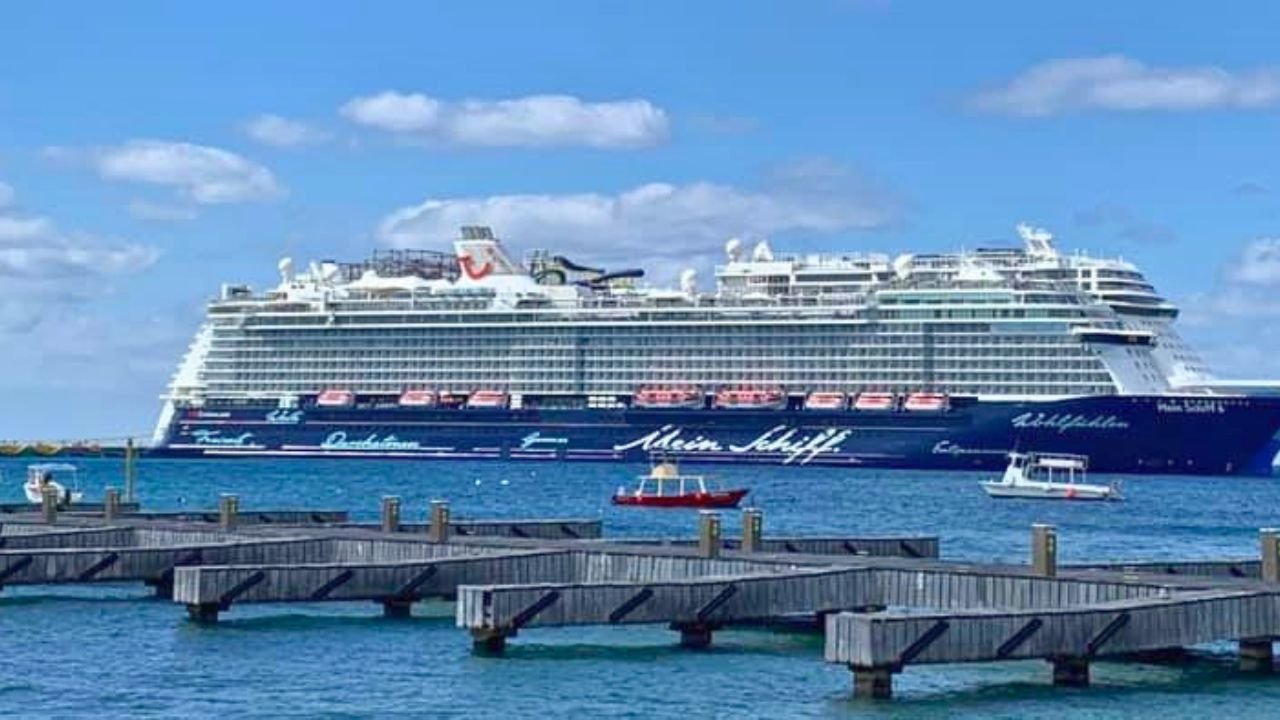
Cozumel, Quintana Roo — Cruise tourism in Cozumel is on pace to set a historic record in 2026, with double-digit growth in both passenger arrivals and vessel calls, solidifying the island’s position as Mexico’s leading cruise port and a top Caribbean destination.
According to official data from Vagner Elbiorn Vega, director general of the Integral Port Administration of Quintana Roo (Apiqroo), between January 1 and July 5, 2026, a total of 759 cruise ships arrived in Cozumel, carrying 2,756,802 passengers.
This represents an 8.7% increase in ship arrivals and a 10% rise in passenger numbers compared to the same period in 2025, when 698 ships brought 2,504,388 visitors.
Elbiorn Vega highlighted that these results reflect the destination’s competitive strength within major Caribbean cruise routes and the confidence of international cruise lines that continue to prioritize the island in their itineraries.
If current momentum holds through the second half of the year, Apiqroo estimates Cozumel will close 2026 with 1,377 cruise ship arrivals and approximately 4,762,850 passengers, surpassing the record figures of 2025, which ended with 1,300 ships and 4,732,250 tourists.
Intense Port Activity Across Quintana Roo
The flow of cruise ships is also evident in this week’s activity. According to reports from the Quintana Roo Tourism Department (Sedetur):
- Cozumel: 19 scheduled cruise calls across its three international piers.
- Mahahual (Costa Maya): Nine additional ship arrivals.
- July cumulative: 44 cruise ships have already docked in the Mexican Caribbean.
This steady stream of visitors generates direct economic benefits for thousands of families in Quintana Roo, immediately supporting tour operators, transporters, tour guides, shops, restaurants, and the local nautical sector.
The boom aligns with forecasts from the Florida-Caribbean Cruise Association (FCCA), whose member lines — including Royal Caribbean, Carnival Cruise Line, Norwegian, and MSC Cruises — have added new mega-ships to their fleets to meet high travel demand in the region.
More Tourism
- Aeromexico Eyes New U.S. Routes After Mexico City Limits End
- Meliá Invests €50 Million in Paradisus Cancún Renovation
- Tourism Slump Forces 35% of Skål México Businesses to Borrow to Cover Payroll
- Tulum Records Over 6,000 Sea Turtle Nests as Beach Furniture Threatens Hatchlings
- Playa del Carmen Mayor Pitches Atlético Dallas on Preseason Camp and Youth Sports Alliance
More Cozumel
- Cozumel Hosts First Pueblos Mágicos Triathlon as Evelyn Rejón and Flavio Morandini Win
- Quintana Roo Names Winners of 2026 State Craft and Embroidery Prizes
- Cruise Tourism Trust Fund Spends 1.27 Billion Pesos Across Quintana Roo
- CFE and Playa del Carmen to Review Plan for Submarine Power Line to Cozumel
- Cozumel’s Museum of the Island Opens Exhibition by Architect José Manuel Sáenz ‘Txepo’