Quintana Roo, Mexico — A federal appellate court has granted a definitive suspension tied to construction works on Section 5 of the Maya Train, the stretch connecting Cancún and Tulum, according to environmental organization Sélvame del Tren (also known as Sélvame MX).
The ruling orders Mexico’s Federal Attorney’s Office for Environmental Protection (Profepa) to carry out verification, inspection, conservation, and protection measures related to the construction activities along the corridor.
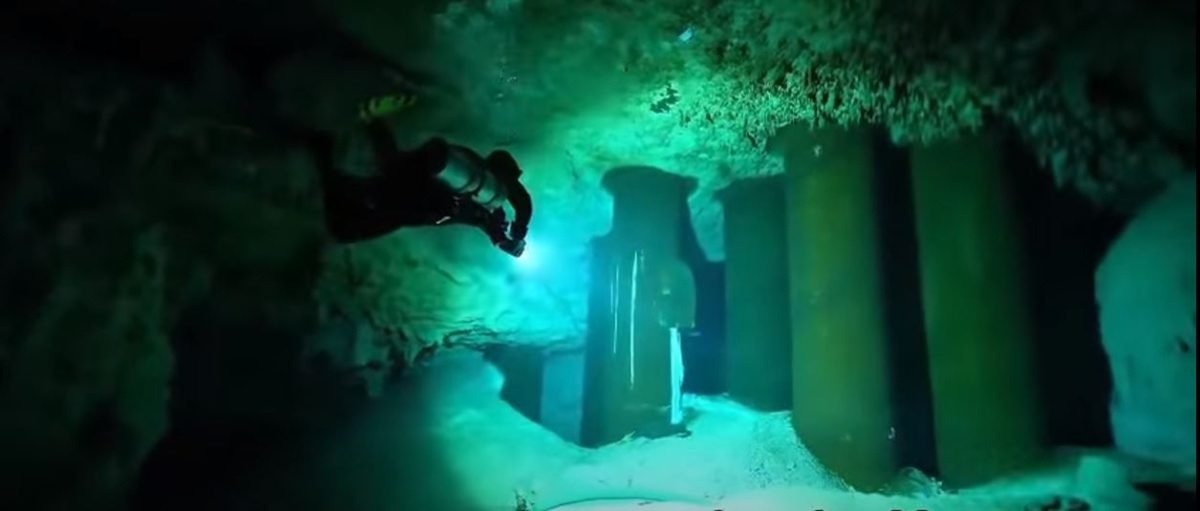
Section 5 has been the most controversial segment of the Maya Train project, due to its route through jungle terrain and karst geology in Quintana Roo, including areas associated with cenotes and interconnected underground cave systems.
Court Directs Federal Environmental Action
According to Sélvame MX, a Collegiate Tribunal issued the definitive suspension in response to legal challenges alleging environmental damage caused by the project’s construction and operation.
The resolution calls on federal authorities to take actions “within their powers” related to environmental verification, inspection, conservation, and protection. It specifically directs Profepa’s Subprosecutor’s Office for Natural Resources and its General Directorate for Crimes, Commutations, Complaints, and Grievances to implement corresponding measures.
“This achievement is an important step toward protecting our natural resources and guarantees that verification, inspection, conservation, and protection actions will be carried out in response to the public complaints presented,” the environmental organization said in a statement.
Guillermo DChristy, president of Sélvame del Tren, said the decision reinforces the role of civil society in environmental enforcement.
“It’s not just a legal achievement. It’s a clear message: nature has rights and organized civil society can make an impact,” DChristy said. “Thanks to every person who has sustained this cause with information, presence, and conviction. We continue working for a development model that respects life. Environmental protection is a responsibility.”
The publicly available summaries of the ruling do not include a case number or detailed technical requirements. It is also not specified whether construction must halt entirely or whether the suspension applies under certain conditions. The decision, as described, links directly to works on Section 5 and requires federal environmental authorities to intervene.
Why Section 5 Has Faced Intense Scrutiny
The Maya Train is a flagship infrastructure project launched during the administration of former President Andrés Manuel López Obrador, designed to connect key destinations across southeastern Mexico.
Section 5, between Cancún and Tulum, has drawn sustained environmental criticism because it crosses limestone terrain characteristic of Quintana Roo’s karst landscape. This geology contains underground rivers, caverns, and cenotes that form part of the region’s freshwater system.
Environmental groups have argued that large-scale construction, including the installation of thousands of pilings to support elevated track segments, poses risks to these subterranean systems.
Engineering concerns have also been raised publicly. Wilberth Esquivel, described as a civil engineer with expertise in structural construction in the region, warned about potential consequences if foundational pilings were compromised.
“It can be fatal for one of the pilings to sink; by 5 or 10 centimeters, it pulls the others, tilts the track, and it derails,” he said.
Criticism has additionally targeted the possibility of cargo operations along the line, citing structural and environmental risk.
Oversight Expected to Intensify
The court’s order increases the likelihood of stepped-up inspection and enforcement activity by Profepa along the Cancún–Tulum corridor.
For residents and businesses in Tulum and the broader Riviera Maya, the immediate effect is regulatory rather than operational. The ruling does not introduce new public restrictions or transportation changes but places formal judicial pressure on environmental oversight.
Sélvame MX framed the outcome as part of an ongoing preservation effort, stating it remains grateful to collaborators and the community for continued support “in this struggle to preserve our environment,” adding: “Together, we continue working for a more sustainable and responsible future.”
What happens next will depend on the specific actions taken by Profepa under the court’s instructions and whether those actions result in changes to construction activity, mitigation requirements, or compliance procedures on Section 5.
The case underscores the continuing tension between large-scale infrastructure development and environmental protection in Quintana Roo’s fragile karst region, where damage can be difficult to detect and potentially irreversible.
Further updates are expected as federal authorities clarify the scope and implementation of the suspension.
Discover more from Riviera Maya News & Events
Subscribe to get the latest posts sent to your email.