
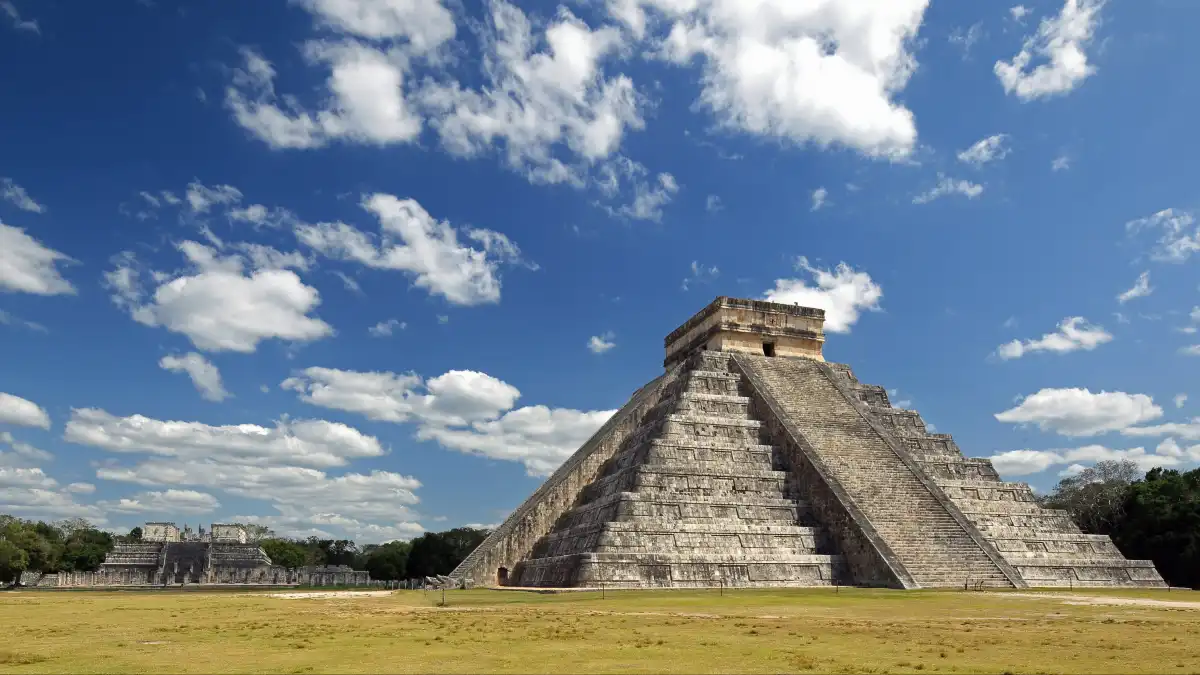
Mérida, Yucatán — Visitor traffic at Chichén Itzá has fallen by roughly 10% over the past year, a decline Yucatán’s tourism promotion department attributes mainly to fewer travelers arriving in neighboring Quintana Roo.
Darío Flota Ocampo, head of the Yucatán Tourism Promotion Department (Sefotur), said the drop has been steady month by month and dismissed the new access system at the archaeological site as the main cause.
His explanation rests on the close link between Quintana Roo’s tourism flows and the day trips to Chichén Itzá that are a staple for travelers staying in Cancún and the Riviera Maya.
Sefotur’s assessment, however, is an interpretation: the information released by the department does not break out figures showing how much of the decline is directly explained by fewer arrivals in the neighboring state.
Knock-On Effects Beyond the Ruins
Flota Ocampo said the impact is not confined to the archaeological site. Yucatecan companies that supply hotels, restaurants and other tourism businesses in Quintana Roo could also see less demand if the slowdown continues.
For Chichén Itzá specifically, Sefotur’s reading is that the current problem stems more from weaker arrivals out of Quintana Roo than from the operational changes to how visitors enter the site.
New Fees Could Raise Travel Costs
The official also flagged other factors that could make trips to Mexico more expensive starting next year: an increase in the non-resident fee and a 10% rise in the charge tied to the use of Mexican airspace, which airlines must pay.
Flota Ocampo said it is too early to predict whether those adjustments will translate into fewer flights or cancellations.
“It’s hard to say whether that will lead to flight cancellations. We’ll have to wait for it to take effect and see the effects starting in January,” he said.
The sector’s concern is that higher costs for airlines and travelers could feed through into ticket prices and erode the competitiveness of the Mexican Caribbean — and, by extension, of the Yucatán destinations that depend on that flow of visitors.
The test in the coming months will be whether the downward trend at Chichén Itzá continues, and how much it could deepen if the new fees drive up the cost of traveling to Mexico.
More Tourism
- Cruise Tourism Trust Fund Spends 1.27 Billion Pesos Across Quintana Roo
- Puerto Morelos Wins Two World Travel Awards for Adventure and Nature Tourism
- Cancún and Tulum Airports to Add 21 New Routes for Winter Season
- Timeshare Exit Scams: 5 Traps Owners Must Avoid
- Isla Mujeres Ports Reopen as Heavy Rain Targets Cancun
