
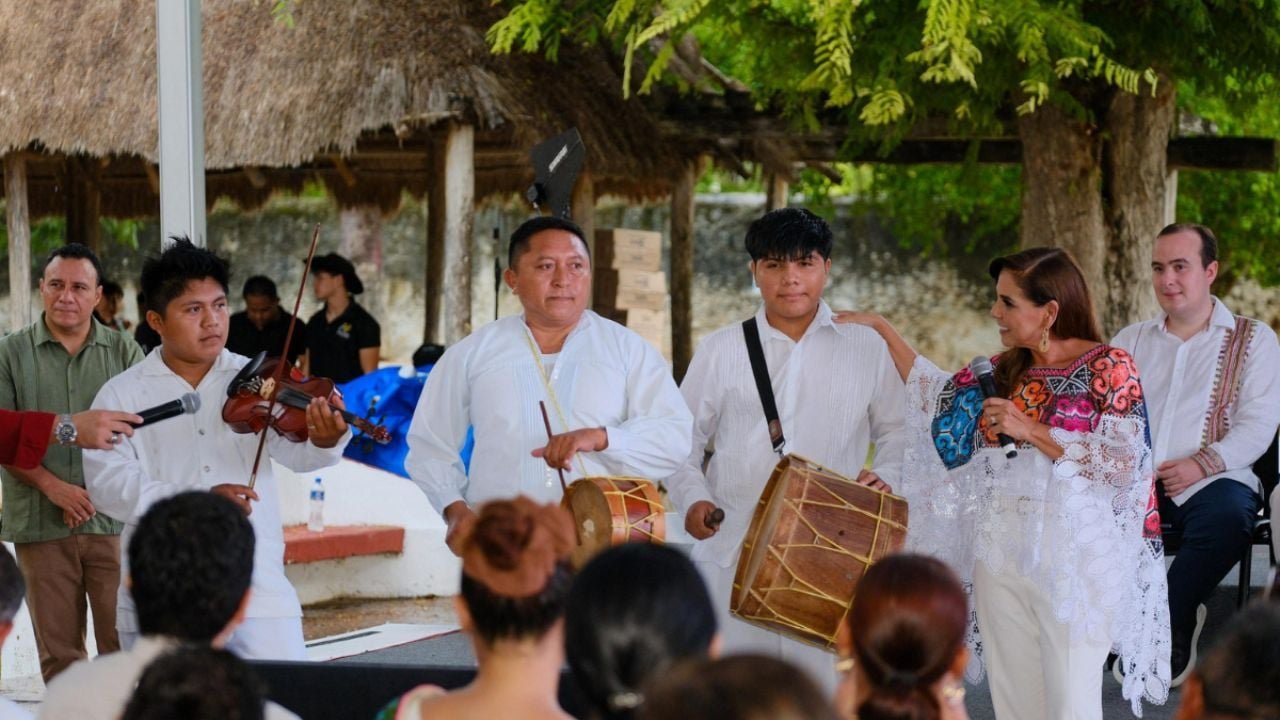
Chetumal, Quintana Roo — The government of Quintana Roo, through the state Tourism Secretariat (SEDETUR), has announced the 3rd Rural and Community Tourism Forum for Southern Quintana Roo, a key event focused on economic development rooted in cultural identity and environmental protection.
The forum will take place June 5-6, 2026, at the Instituto Tecnológico de Chetumal (ITCH). It will bring together representatives from rural communities, tourism cooperatives, academics, business owners, students, researchers, and national and international specialists in community and sustainable tourism.
The initiative is backed by business and social organizations including CANACO SERVYTUR Chetumal, COPARMEX Chetumal, the Fundación Fundadores Quintana Roo, and various civil associations and tourism sector stakeholders seeking to promote a new development vision for the southern part of the state.
Tourism with Identity and Community Benefit
The event’s central goal is to build strategies that consolidate a human-centered tourism model, where local communities drive economic growth through the preservation of their traditions, natural resources, and biocultural heritage.
Organizers said the forum will focus on four pillars: community, culture, nature, and sustainability. It aims to promote a tourism model that generates direct benefits for families in the Maya zone and reduces inequality gaps in rural areas.
Over the two days, activities will include specialized workshops, working groups, keynote lectures, and dialogue spaces covering topics such as community project management, tourism marketing, hospitality, social economy, green infrastructure, and environmental preservation.
Workshops, Conferences, and Artisan Expo
The event will also feature an Expo of Artisan Products and Regional Gastronomy, where producers and entrepreneurs from southern Quintana Roo can exhibit and sell goods made in rural communities, strengthening the local economy and promoting identity-based products.
One of the forum’s main objectives is to create links between communities, social investors, travel agencies, tour operators, and government authorities to develop projects that diversify the tourism offering beyond the traditional sun-and-beach model.
SEDETUR emphasized that such meetings are essential to positioning the southern part of the state as a competitive destination for rural and community tourism, leveraging the region’s natural, archaeological, gastronomic, and cultural wealth.
Call for Speakers and Attendees
Two digital calls remain open: one for specialists, academics, and community leaders interested in participating as speakers, and another for general registration of attendees, students, and entrepreneurs who wish to take part in the activities.
Those seeking more information about the program, requirements, or artisan expo spaces can contact fomento.inversion@sedeturqroo.gob.mx or call 983 835 0860 extension 41833.
More Environment
- Maya Frog and Toad Shell Pendants May Reveal Ancient Trade Routes
- Heavy Rains to Soak Quintana Roo as Unstable Weather Moves In
- Brain-Eating Amoeba Found in Six Artificial Lakes in Mérida; Water Contact Restricted
- Semarnat Approves Artificial Reefs and Sand Relocation for Akumal Hotel
- Chetumal Plans 836 Million Pesos in Stormwater Works to Curb Flooding
More Chetumal
- Ejido Residents Block Federal Highway in Quintana Roo Over Unpaid Land Compensation
- Santa Fe Klan to Headline Free Concert at Expofer Chetumal 2026
- Amexme Quintana Roo Pushes Regional Integration to Bolster Local Businesses
- Former Municipal Police Officer Detained in Femicide of Alejandra Michelle in Chetumal
- Power Outage in Chetumal Forces Closure of Quintana Roo Labor Courts
