
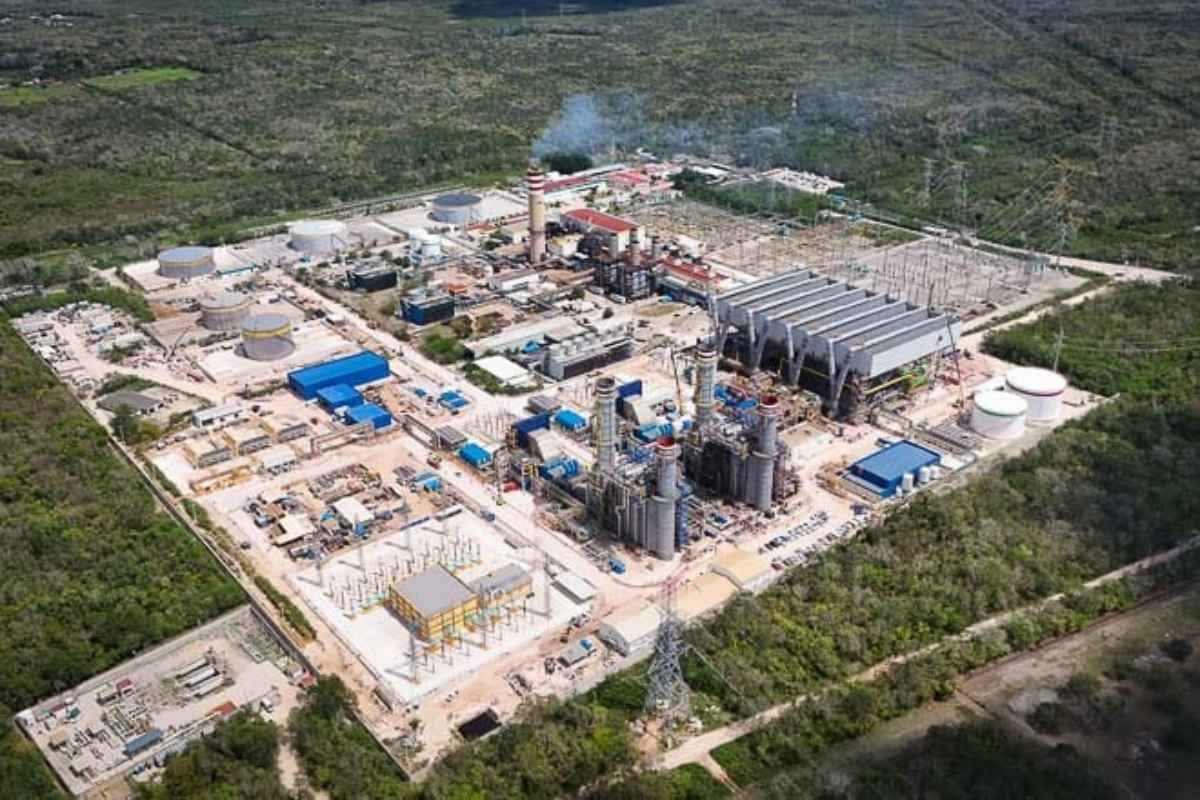
Valladolid, Yucatan — The Riviera Maya-Valladolid combined-cycle plant has synchronized its steam turbine with the Yucatan Peninsula’s interconnected grid for the first time, a key step in testing before it begins commercial operation.
The CFE (Federal Electricity Commission) said the turbine delivered an initial load of 19.6 megawatts to the peninsula’s grid at 2:31 p.m. on Friday, Nov. 27.
The synchronization is part of the testing protocol set out in the commercial operation procedure of CENACE, the national grid operator. Load tests will continue over the coming days to verify equipment performance and ensure the plant is fully operational to meet higher electricity demand in the summer of 2027.
Located on the grounds of the Felipe Carrillo Puerto thermal power plant in Valladolid, Yucatan, the new facility will have a guaranteed net capacity of 1,020 megawatts — enough, according to CFE estimates, to meet the electricity needs of more than 2.2 million users.
The project aims to strengthen regional generation capacity amid population, tourism, commercial and industrial growth on the Yucatan Peninsula, all of which are driving up energy demand.
Combined-cycle technology captures waste heat from gas turbines to produce steam and generate additional electricity, improving the plant’s efficiency. CFE said the technology will avoid more than 1.6 million tons of carbon dioxide emissions, though it did not specify the period covered by that estimate.
The project also includes two 400-kilovolt substations and two transmission lines to connect the plant to existing infrastructure. These works must meet CENACE’s technical requirements for integrating the new generation capacity into the grid.
The plant’s startup is expected to increase power availability on the peninsula, particularly during hot-weather months when air conditioning and refrigeration drive up consumption. However, the first synchronization does not mean the plant is operating at full capacity, as it remains in the testing and commissioning phase.
Bringing the full 1,020 megawatts online will depend on the successful completion of technical and operational procedures, with the plant expected to bolster the region’s energy security by the summer of 2027.
More Development
- Cancún Architects Mark 50 Years, Warn of Urban Ghettos
- Semarnat Denies Environmental Permits for UX Arena Tulum as Clearing Already Visible
- Luxury Resort Project Overlaps 32,000 Square Meters of Xcacel-Xcacelito Turtle Sanctuary in Tulum
- Xcalak Residents Warn Bridge Collapse Could Cut Off Coastal Community
- Cancún to Reassign Retired Buses to Routes Facing Vehicle Shortages
More Quintana Roo
- Quintana Roo Leads Mexico in Rape Rate With 623 Cases in 10 Months
- Quintana Roo Municipalities to Take Over Tax Collection and Regulation of Vacation Rentals
- Quintana Roo radio pioneer and former gubernatorial candidate Gastón Alegre López dies at 93
- Quintana Roo Election Body to Translate Ballot Materials Into Mayan
- Quintana Roo Invests 133.5 Million Pesos in Social Programs