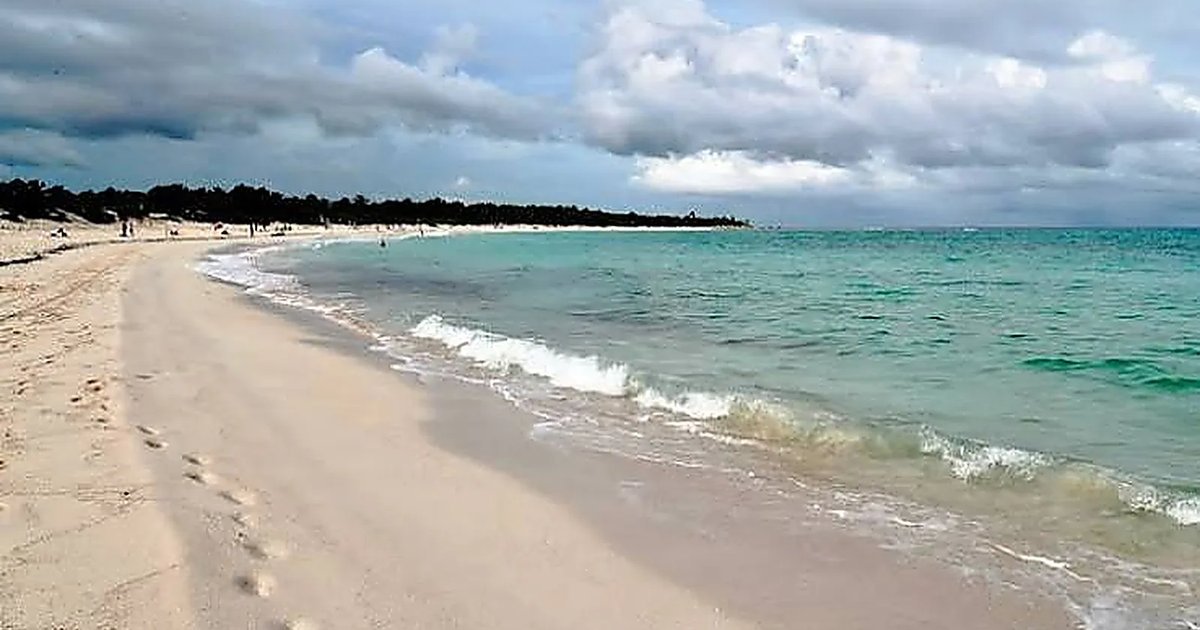
Tulum, Quintana Roo — Eight years after Mexico’s Environment Ministry (Semarnat) rejected a resort called La Calma over risks to sea turtle nesting, a project with the same name has again entered environmental review in Tulum.
Holding Inmobiliaria Carpac, S.A. de C.V. wants to build a tourism complex with 27 villas, 18 junior suites, a beach club, commercial space and service infrastructure near the Xcacel-Xcacelito sanctuary.
The company filed its application on Nov. 13, 2026, under case number 23QR2026T0077, through a regional Environmental Impact Statement.
The project covers 26 hectares on the Chemuyil coastal strip, between kilometers 247 and 248 of Federal Highway 307 and the Caribbean Sea.
Project overlaps turtle sanctuary
In the executive summary of its environmental filing, the developer acknowledges that 32,429.05 square meters of the site overlap with the Xcacel-Xcacelito Natural Protected Area.
That area represents 12.45% of the land planned for the development and about 9.35% of the land area of Ramsar site No. 1351, an internationally recognized wetland of ecological importance.
The company maintains that the buildings will sit outside the protected zone and that the property’s coastal front is a rocky platform where no nesting is recorded.
However, it proposes counting part of the protected area when calculating the permitted density of tourist accommodations.
More than 25,000 square meters of vegetation to be cleared
The resort would require the removal of 25,393.32 square meters of vegetation, equivalent to 9.75% of the total site.
The environmental study identifies 76 plant species and 58 wildlife species, including specimens subject to environmental protection categories.
The land also contains 28,377 square meters of mangrove, which the developer says it will preserve in full.
Nevertheless, the project plans a 50-meter buffer between buildings and the mangrove, compared with the 100 meters set out in the NOM-022-SEMARNAT-2003 standard cited in the document.
To justify the difference, the company proposes environmental measures including pile foundations, permeable concrete and drainage systems.
Semarnat rejected La Calma in 2018
On Sept. 17, 2018, Semarnat announced it had denied environmental authorization to the Plan Maestro La Calma Ecoresort Luxury, then promoted by Palmares del Country.
That proposal included 520 hotel rooms in 23 buildings and four blocks, plus an artificial lagoon and other tourist facilities.
Federal authorities determined that the development compromised ecological connectivity and the reproductive processes of white, loggerhead and hawksbill sea turtles.
The new proposal has a different layout and is registered under a different corporate name.
More than 21,000 people demand protection for Xcacel-Xcacelito
The new environmental application coincides with a decades-long citizen campaign to fully protect the sea turtle sanctuary from real estate growth.
Since Nov. 18, 2023, Araceli Domínguez of the Grupo Ecologista del Mayab (GEMA) has promoted a petition to expand the protected area to adjoining land.
The initiative, published on Change.org, has gathered more than 21,000 signatures and warns of the risks of maintaining hotel densities around the sanctuary.
The new La Calma project identifies 101 environmental impacts, all classified by the developer as low intensity, and proposes 491 prevention and mitigation measures.
The development is designed for a 90-year lifespan and requires Semarnat’s environmental authorization before construction can begin.
More Development
- Semarnat Denies Environmental Permits for UX Arena Tulum as Clearing Already Visible
- Xcalak Residents Warn Bridge Collapse Could Cut Off Coastal Community
- Cancún to Reassign Retired Buses to Routes Facing Vehicle Shortages
- Mara Lezama Inspects Rehab of Chanchén Primero–Xuilub Road in Tulum
- Cancún Police Add 320 GPS-Equipped Radios to Boost Response
More Tulum
- Mexican Caribbean Braces for 12.4% Drop in U.S. Seats This Winter
- Deportations to Quintana Roo Rise 22% as Tulum Airport Receives Up to 300 Weekly
- Zamna Festival’s New Tulum Venue UX Arena to Hold 40,000 People
- Maya Women in Tulum Protest Six-Month Delay in State Welfare Payments
- Cancun and Tulum Expand Winter Flights with New Routes from Canada, US, and Europe