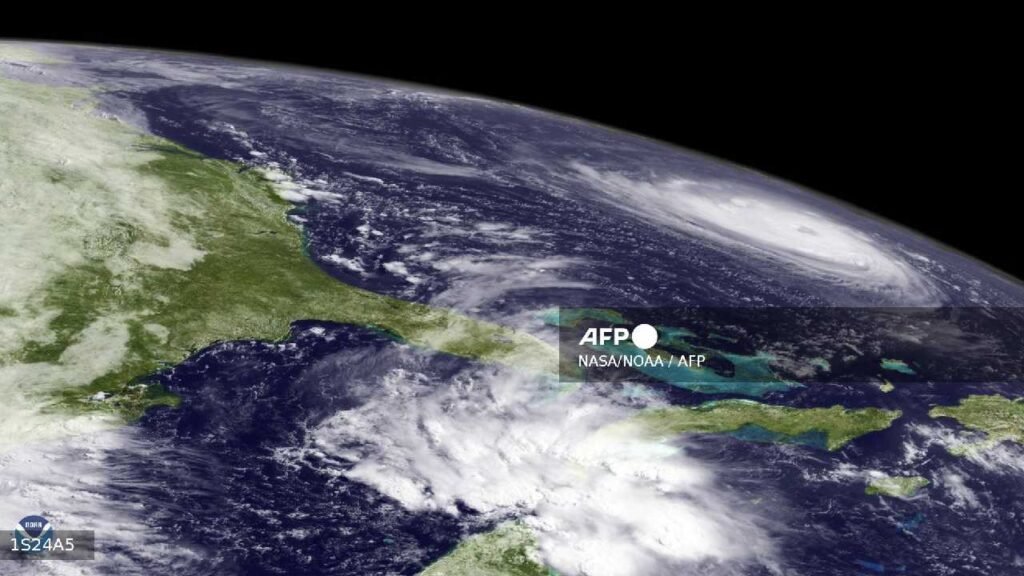
Cancún, Quintana Roo — The 2026 Atlantic hurricane season officially begins Monday, June 1, and runs through November 30, with forecasters predicting below-average activity due to El Niño conditions.
The National Oceanic and Atmospheric Administration (NOAA) estimates a 55% probability of a less active season than the historical average, a 35% chance of near-normal activity, and only a 10% chance of an above-average season.
Mexico’s National Meteorological Service (SMN) has released the official list of names for tropical cyclones and potential hurricanes this year: Arthur, Bertha, Cristobal, Delly, Edouard, Fay, Gonzalo, Hanna, Isaias, Josephine, Kyle, Leah, Marco, Nana, Omar, Paulette, Rene, Sally, Teddy, Vicky, and Wilfred. Not all systems will reach hurricane strength.
Forecasters predict 11 to 15 tropical cyclones, of which seven to eight will become tropical storms, three to five will become Category 1 or 2 hurricanes, and one to two will become major hurricanes of Category 3 or higher.
Quintana Roo Activates Emergency Shelters
In preparation for the season, the state of Quintana Roo has activated preventive measures. The State Civil Protection Coordination reported that more than 800 temporary shelters will be available across the state’s 11 municipalities. At least 15 of these shelters will operate under a “Pet Friendly” scheme, allowing families to take refuge with their pets during an emergency.
Authorities urged residents to stay alert to official reports distributed through institutional channels.
Tropical Cyclone Alert System
The Early Warning System for Tropical Cyclones (SIAT-CT) uses a color-coded alert scale to guide public response:
- Blue Alert (Minimum Danger): A tropical cyclone has formed and may affect the region in coming days. Recommended actions: stay informed via official sources, review family emergency plans, and prepare an emergency kit with water, non-perishable food, flashlights, and batteries.
- Green Alert (Low Danger): The cyclone is closer and may impact within 72 hours. Additional measures: follow weather updates, secure doors and windows, verify emergency kit, and identify nearest shelters.
- Yellow Alert (Moderate Danger): Impact possible within 48 hours. Actions: prepare for possible evacuation, inform family of emergency plan and evacuation routes, protect important documents, and keep vehicle fueled.
- Orange Alert (High Danger): Impact likely within 36 hours. Crucial steps: evacuate if instructed, move to safe shelters, stay in contact with family, and follow official updates.
- Red Alert (Maximum Danger): Impact imminent within 24 hours. Immediate actions: evacuate if not already done, remain in safe shelters, stay calm, follow emergency team instructions, and prepare for possible service interruptions.
More Lifestyle
- Tulum’s Mureco Museum Adds 53 Mesoamerican Pieces for Second Anniversary
- Chetumal Entrepreneur Develops Automatic Hammock Rocker for Mexico
- Cancún Prepares Janal Pixán 2026 at Puerto Juárez, Aims to Double Attendance
- Mental Health and Addiction Top Concerns Among Playa del Carmen Youth, Survey Finds
- Cancún Opens Registration for Janal Pixan 2026 Catrina and Altar Contests
More Quintana Roo
- SCJN Orders Quintana Roo to Legislate Disability Representation
- Cancun Tourism Slumps 7% as Industry Leaders Urge Marketing Overhaul
- Quintana Roo Braces for Four Days of Heavy Rain and Flooding
- Former Gubernatorial Candidate Laura Fernández Piña Loses Appeal Against 20-Year Public Office Ban
- Quintana Roo Prison System Scores Drop Sharply Over Overcrowding and Neglect