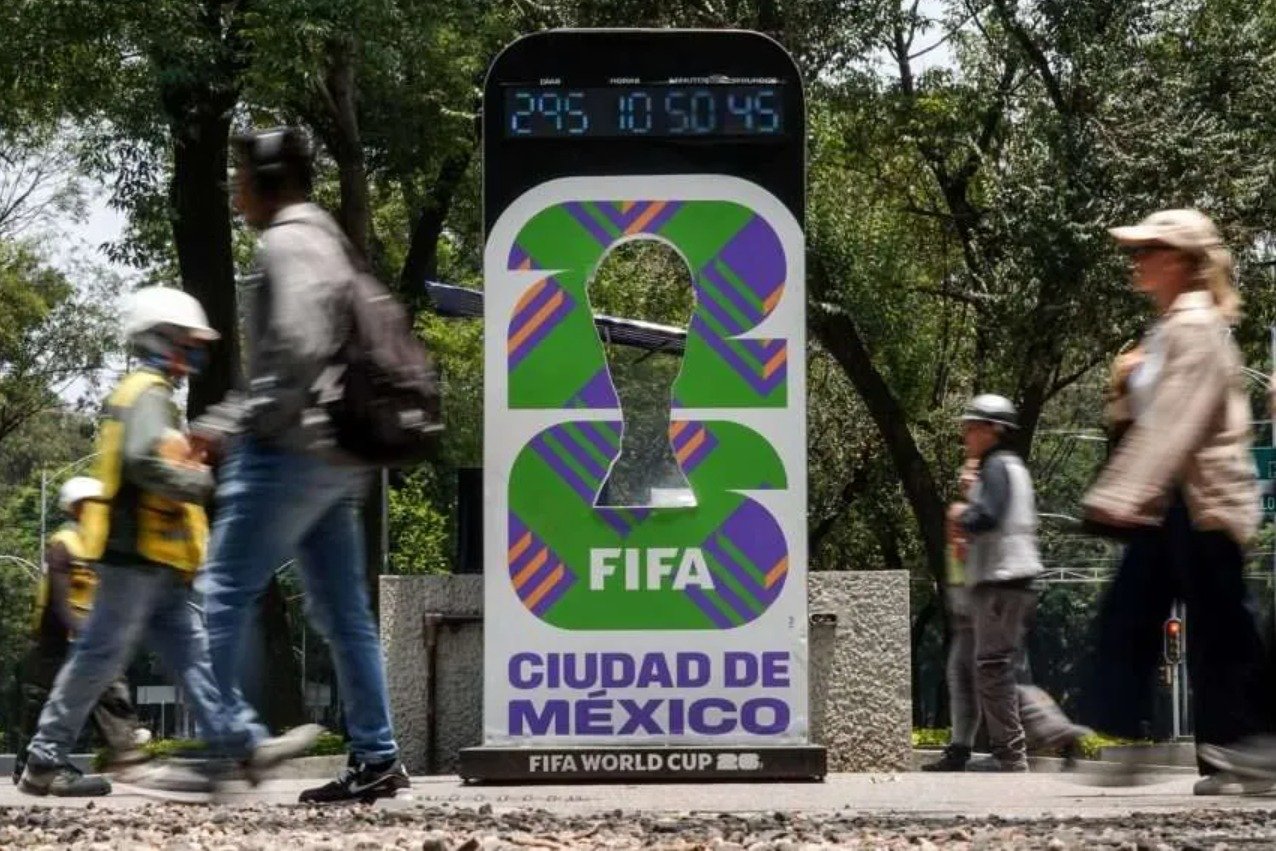
Mexico — Mexico is preparing to host the most-watched event on the planet. The FIFA World Cup 2026 promises millions of visitors, an unprecedented economic windfall, and an international showcase for the best of the country's cities. However, one piece of the puzzle remains uncontrolled: temporary lodging. Platforms like Airbnb, Booking, and Vrbo have become a flexible solution to expand accommodation capacity, but they also represent a territory where regulation is lagging and risks are growing rapidly.
Currently, Mexico lacks official statistics that would allow for the identification of criminal activity in accommodations offered through platforms like Airbnb. Neither INEGI nor the Executive Secretariat of the National Public Security System records crimes according to the type of lodging. In practice, if a robbery, assault, rape, or scam occurs within a home rented through an application, the incident is classified as generic "fraud," "robbery," or "injuries," without specifying that the crime occurred in a tourist property.
This lack of precision in the records prevents an exact measurement of the problem, although indications show an evident pattern: the majority of incidents related to tourist accommodations are not of a physical violence nature. Frauds, identity theft, and scams linked to vacation rentals top the list of complaints. In destinations like Tulum, Playa del Carmen, and Mexico City, cases of fake listings, non-existent properties, or last-minute cancellations that leave travelers without accommodation and without recourse have multiplied.
The 2026 FIFA World Cup represents an unbeatable opportunity for Mexico to establish clear rules and control mechanisms to correct this vulnerability before it escalates. However, the most serious risk does not lie in economic losses, but in the lack of traceability. Every unregistered accommodation becomes a blind spot for the authorities, a space off the radar that can be used for clandestine parties, illicit activities, or simply to host people without identity control.
Mexico City recognized in 2024 that regulation was "absolutely necessary" and that the delay in the host registry had left a security vacuum. In a country where the national crime rate exceeds 34,000 per 100,000 inhabitants, according to INEGI data, it is naive to assume that tourism can remain separate from that reality.
Countries that have already faced this learning curve understood it quickly. Spain, France, Portugal, and New York require that each property have a unique registration number, a safety certificate, and civil liability insurance. The platforms are obligated to display this registration number and immediately remove listings that do not have it. It is a system of double verification: the State knows who is renting, and the guest knows the accommodation is legal and safe.
Mexico should apply the same principle, especially before the World Cup. An ideal destination, with Airbnb included, requires minimum conditions. Every host must be registered in a public registry, with verified identity and confirmed address. Properties must comply with civil protection norms such as smoke detectors, fire extinguishers, emergency lights, exit signage, safe electrical installations, among others, and have a clear occupancy limit.
Furthermore, guest registration is essential, not for bureaucracy, but for security; knowing who enters and who leaves reduces the risk of overcrowding, fraud, or misuse of the property.
There must also be compatibility of land use. Not all neighborhoods should become improvised tourist zones. When permanent housing is replaced by short-term rentals, the neighborhood fabric weakens and tensions over noise, over-occupancy, or lack of parking grow. Smart cities have understood that coexistence is as important as profitability.
The technological component is another pillar. The platforms possess information that can save lives and prevent crimes, as they have the identity of guests, booking movements, and patterns of behavior. If this information is shared with the authorities under privacy protocols, municipalities could anticipate risks and act in time. The technology used for charging can also serve to protect.
Regulating is not prohibiting. Regulating is giving legitimacy to an activity that already exists and generates income for thousands of families, but without clear rules, economic benefits can turn into urban vulnerability. During the World Cup, any serious incident such as mass fraud, an accident, or a violent event in an irregular accommodation will become negative global news, and Mexico's tourist and security reputation cannot afford that mistake.
The country has the opportunity to be an exemplary, innovative, orderly, and safe case. To achieve this, the three World Cup host cities must adopt a common framework for registration, safety, verification, and shared responsibility with digital platforms. It is not about multiplying procedures, but about shielding trust.
The country has always been characterized by its hospitality. In 2026, that hospitality must be accompanied by professionalism and control. So that every visitor finds not just a bed to sleep in, but a safe, regulated, and reliable environment. Because the true image of a country is not built in the stadiums, but in the temporary homes, where the visitor feels welcome.
Discover more from Riviera Maya News & Events
Subscribe to get the latest posts sent to your email.