
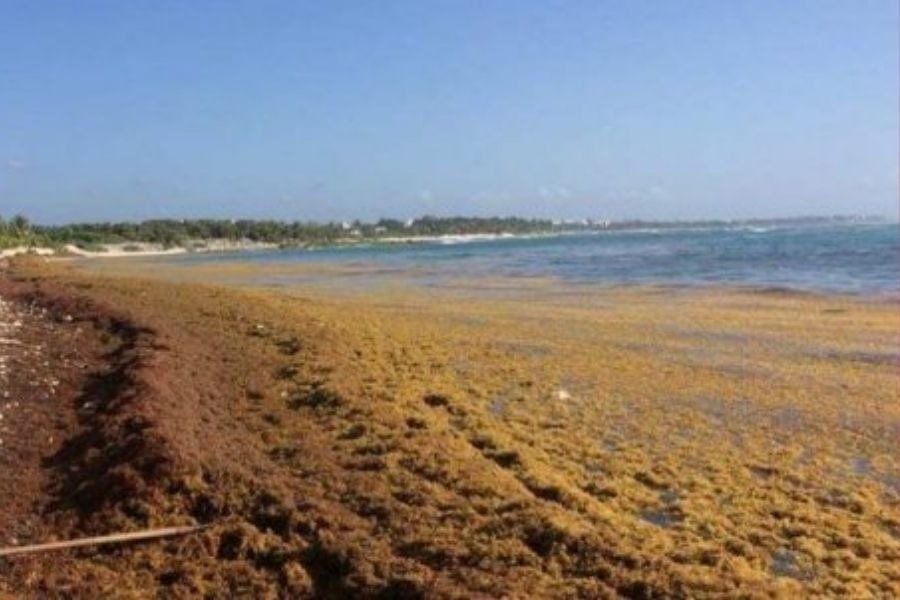
Tulum, Quintana Roo — The peak tourist season in Tulum has once again fallen victim to sargazo, with the seaweed inundating beaches since March and overwhelming insufficient cleanup efforts. What officials term an “environmental challenge” has become a financial crisis for those dependent on the sea, exposing reactive containment plans that arrive too late each year.
For boat captains, navigating now poses technical risks. Propellers suffer constant damage from entangled seaweed, raising maintenance costs in a sector still recovering. This crisis highlights the vulnerability of work tools amid coastal protection infrastructure that remains largely ornamental.
Diving companies have forced alternative routes farther out to sea to continue operating. However, increased fuel consumption erodes their profits. The sector faces a choice between raising prices and losing customers or slowly going bankrupt by absorbing costs from a contingency the state fails to mitigate.
Authorities’ “surveillance” proves ineffective against the scale of the seaweed arrival. The industry demands industrial barriers and open-sea collection, not just manual cleanup crews on shore after damage is already done. While budgets dissipate on temporary fixes, the local economy remains subject to the whims of ocean currents.
The problem reveals a tourism model that ignores ecological degradation. Without bold policies and advanced technology, service providers will continue fighting alone against a global phenomenon. Meanwhile, the Riviera Maya’s prestige erodes with each wave of brown seaweed flooding the coast.
More Local News
- Quintana Roo Riders Resume ‘Vest Law’ Talks, No Protests
- Cancún Residents Demand Governor’s Intervention Over Alleged Land Fraudster
- Quintana Roo Plans Two Wastewater Plants and Two Aqueducts for Cancún and Playa del Carmen
- Playa del Carmen Ranks Second in HIV Cases in Quintana Roo, Official Says
- Tren Maya Freight Project Targets 4.7 Million Tons by 2030
