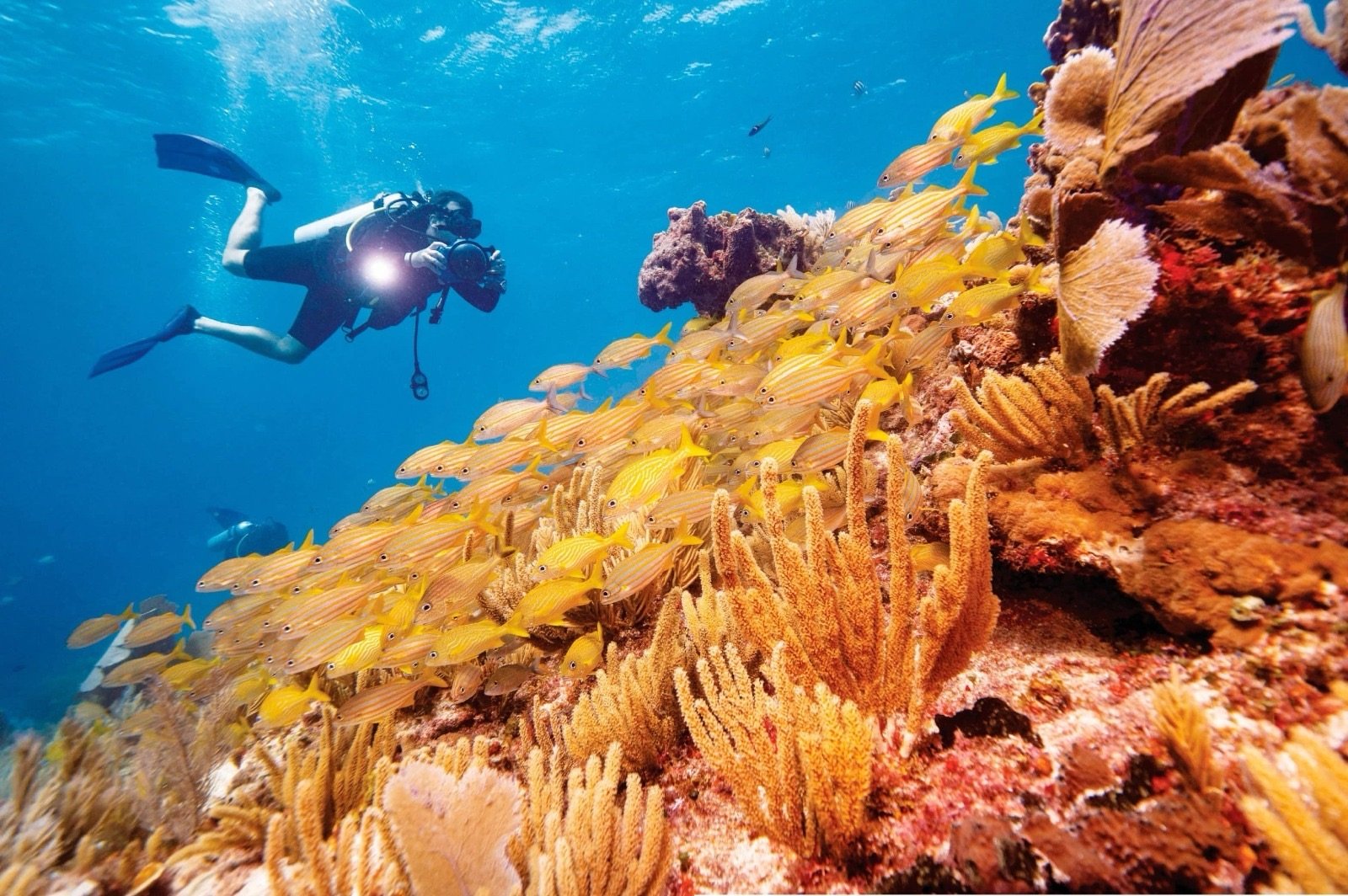
Quintana Roo, Mexico — On World Reef Day, observed June 1, conservationists are calling for urgent action to protect the Mesoamerican Reef, the second largest coral reef system on the planet after Australia’s Great Barrier Reef. Stretching from the coast of Quintana Roo into Central America, this underwater ecosystem is vital for marine biodiversity and the regional economy.
Corals function as underwater cities, providing shelter, food, and breeding grounds for thousands of species of fish, crustaceans, mollusks, and turtles. This biodiversity supports food chains that benefit both marine life and coastal communities.
The reef also drives tourism in destinations such as Cancún, Puerto Morelos, Cozumel, Isla Mujeres, Playa del Carmen, and Tulum, where visitors flock for diving and snorkeling. Additionally, the reef acts as a natural barrier, reducing wave energy and protecting beaches, infrastructure, and communities from storms and hurricanes.
Serious Threats
Despite its importance, the Mesoamerican Reef faces mounting threats. Ocean warming due to climate change causes coral bleaching, weakening and often killing corals. Pollution from untreated wastewater, plastics, and chemicals degrades water quality and harms reef organisms.
Overfishing and destructive fishing practices disrupt the ecological balance. The massive influx of sargassum seaweed in recent years also poses a challenge, as decomposing algae alters water conditions and reduces light needed for coral survival.
Urban and tourism development along the coast adds further pressure. Construction, boat traffic, and poorly regulated recreational activities can physically damage corals, which may take decades to recover.
Call to Action
According to the United Nations Environment Programme’s Marine Ecosystems Division, the world could lose most of its living coral reefs by mid-century if threats are not reduced. Experts urge collective action to preserve these natural structures that protect coasts, sustain biodiversity, and form an essential part of the Caribbean’s environmental heritage.
To help protect the reef, individuals can:
- Reduce pollution
- Improve wastewater treatment
- Promote sustainable fishing
- Respect protected natural areas
- Cut emissions that contribute to climate change
- Practice responsible tourism
- Participate in conservation projects
- Dive responsibly
- Avoid touching or stepping on corals
- Refrain from buying coral souvenirs
- Use environmentally friendly sunscreen
More Lifestyle
- Tulum’s Mureco Museum Adds 53 Mesoamerican Pieces for Second Anniversary
- Chetumal Entrepreneur Develops Automatic Hammock Rocker for Mexico
- Cancún Prepares Janal Pixán 2026 at Puerto Juárez, Aims to Double Attendance
- Mental Health and Addiction Top Concerns Among Playa del Carmen Youth, Survey Finds
- Cancún Opens Registration for Janal Pixan 2026 Catrina and Altar Contests