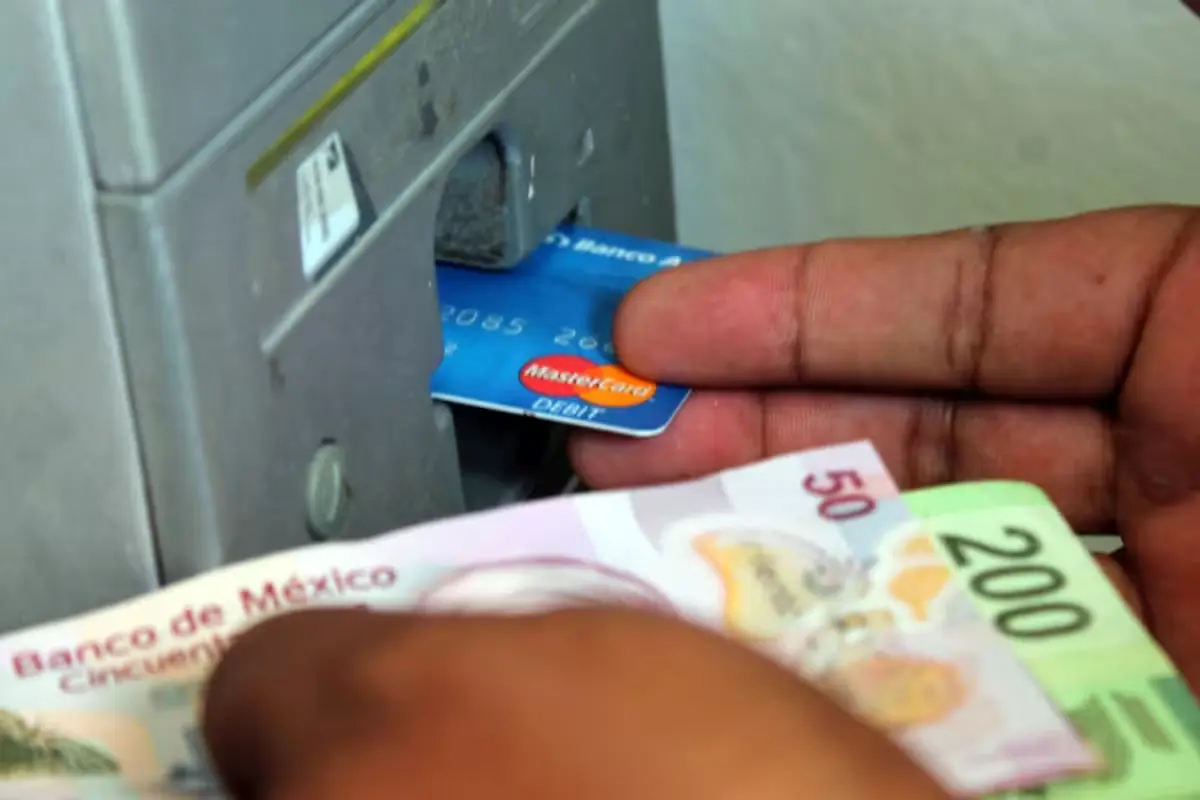
Mérida, Yucatán — Financial services complaints in Yucatán rose 11.2% in the first half of 2026, with banks drawing the most grievances and credit card disputes up sharply, according to the National Commission for the Protection and Defense of Users of Financial Services (CONDUSEF).
Between January and June, CONDUSEF logged 4,121 complaints from Yucatán users, up from the same period a year earlier. The figure includes disputed charges, unauthorized purchases, and cases in which banks refused to cancel accounts.
Fraud Complaints Outpace Overall Growth
Nationally, CONDUSEF received 118,287 complaints in the first six months of 2026, an 11.3% annual increase. Of those, 43,871 were classified as fraud, up 16.7% from the previous year. The agency has said Mexico is experiencing a surge in financial fraud fueled by the growing use of digital banking channels.
In Yucatán, 28.8% of all complaints involved suspected fraud, primarily unrecognized purchases and unauthorized online transactions. Through its mediation and resolution processes, CONDUSEF recovered 28.9 million pesos on behalf of affected consumers in the state.
Credit Card Disputes Jump 47%
Credit cards, debit cards, and personal loans together accounted for 72.3% of all complaints in Yucatán during the semester. Commercial banks absorbed 61.4% of the total, followed by insurance companies at 14.6% and credit bureaus at 11.4%.
The most common complaints against banks were unrecognized charges, delays or refusals to cancel products, and charges made through digital platforms, which combined made up 38.9% of grievances against financial institutions.
Among individual products, credit card complaints rose from 811 to 1,195 cases, a 47.3% surge in one year — the largest increase of any financial product tracked by CONDUSEF in the state. Payroll accounts jumped 104.5% (from 66 to 135 cases) and auto loans increased 125% (from 40 to 90 cases). In contrast, debit card complaints fell 2.9% and personal loan complaints dropped 28.8%.
Mérida Accounts for 82% of Complaints
Mérida dominated the state’s grievance geography, attracting 82.1% of the cases handled by CONDUSEF, followed distantly by Kanasín (2.6%) and Progreso (2%). The concentration mirrors the capital’s economic and demographic weight, but also raises questions about access to complaint mechanisms and the level of banking penetration in other municipalities.
Men filed 54.9% of complaints and women 45.1%. Among older adults, the most frequent issues involved credit cards, debit cards, and personal loans — a group that is often targeted by fraud schemes and may be less familiar with the digital channels where many fraudulent transactions now occur.
Shift to Digital Channels
CONDUSEF said 74.9% of the semester’s complaints were handled electronically, while 11.8% were resolved through conciliation and 9.2% involved improper debt collection practices. The agency’s own shift toward digital processing mirrors the broader trend driving complaints: as more banking transactions move online, digital fraud and the need for digital complaint channels have grown in tandem.
The first half of 2026 paints a picture of a financial system in Yucatán that is increasingly digitized — and increasingly exposed. Banks remain the dominant source of grievances, credit cards are the problem product of record, and unrecognized charges continue to be the top reason consumers file claims.
More Economy
- Tren Maya Freight Complex in Chetumal to Break Ground in 2027
- 40-Hour Workweek in 2027 Will Speed Up Robots and AI in Hotels, IMEF Says
- Mexico’s Supreme Court Blocks Telmex Bid for Automatic Pay TV Access
- Mexico and EU Bring Modernized Global Agreement to Congress as Senate Ratification Looms
- Moody’s Warns Mexico Faces Negative Fiscal Trend on Rising Debt and Weak Growth