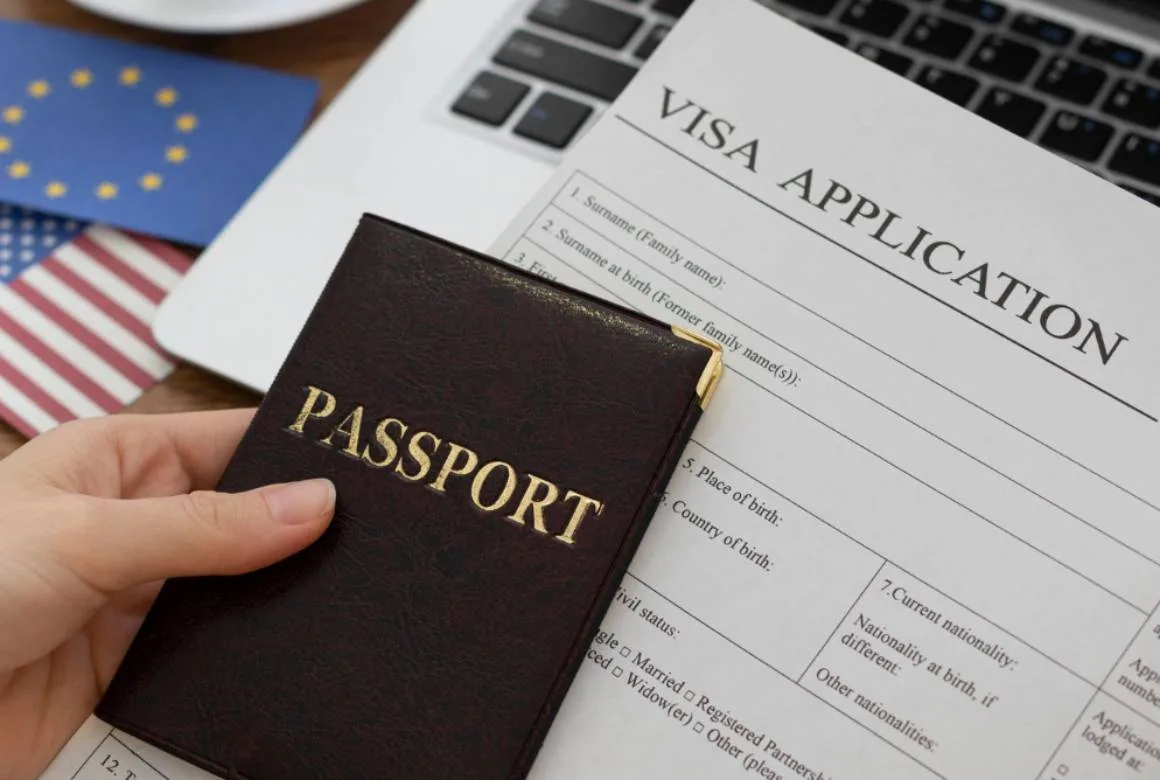
Trenton, New Jersey — The US State Department announced a new policy restricting the issuance of visas to people who take part in, have taken part in, or facilitate commercial activity tied to so-called birth tourism.
The measure, announced on Sept. 23 by Secretary of State Marco Rubio, will be applied under Section 212(a)(3)(C) of the Immigration and Nationality Act.
According to the State Department, the policy covers the owners, operators and managers of commercial networks that organize trips so that foreign nationals can give birth in the United States and secure citizenship for their children.
It also targets intermediaries who coach applicants to provide false information on visa applications, as well as foreign medical providers who, the department says, deliberately facilitate those trips or the fraudulent use of Medicaid.
“By restricting the issuance of visas to those who participate in and profit from this fraud, we are sending a clear message,” Rubio said in the statement.
The State Department says such networks charge tens of thousands of dollars to arrange the trips, and that some train applicants to lie during their immigration procedures.
The new policy forms part of the Trump administration’s broader push against birth tourism. In August, an executive order directed the State Department and the Department of Homeland Security to take steps to prevent or limit this type of travel.
The State Department already holds that birth tourism is not a valid basis for obtaining a visitor visa. It also warned that certain restrictions could extend to some family members of those involved.
More Government
- Mexico’s Supreme Court Blocks Telmex Bid for Automatic Pay TV Access
- Mexico and EU Bring Modernized Global Agreement to Congress as Senate Ratification Looms
- Quintana Roo Reports 282 Dengue Cases, Eight of Them Severe
- Lawmakers Propose One Tree Every 15 Meters in New Quintana Roo Developments
- US Seeks Deeper Security Ties With Mexico Without Intervention, Ambassador Says