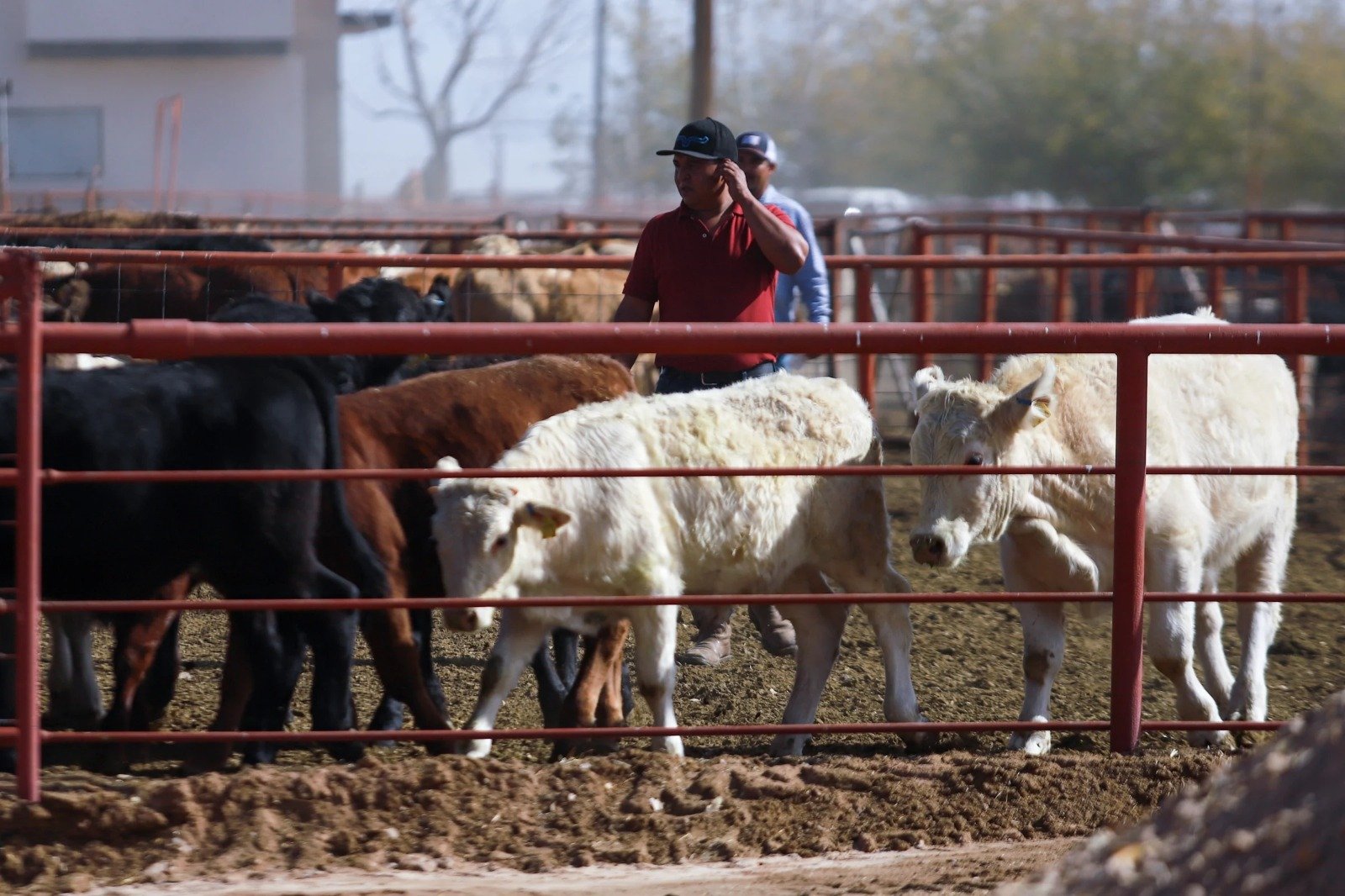
Hermosillo, Sonora — A U.S. ban on live cattle imports from Mexico has prompted ranchers in three northern states to launch a major modernization program for slaughterhouses, aiming to secure American certification and shift from exporting livestock to processed beef.
The federal government’s Comprehensive Meat Production Program, backed by President Claudia Sheinbaum, will fund the construction or upgrade of slaughterhouses to meet U.S. standards. The first project will be unveiled in Hermosillo on Tuesday, with similar plans for Durango and a federally inspected facility in Monclova, Coahuila.
Union leaders from Coahuila, Sonora, and Durango detailed the initiative in separate interviews. The program responds to the border closure, imposed due to the cattle screwworm—a pest not detected in these states—which halted Mexico’s export of about 1.2 million head annually to the U.S.
Rogelio Soto Ochoa, president of the Durango Regional Cattle Union, said the program includes three components: credit for breeding bulls, credit for fattening operations, and funding for slaughterhouses. The goal is to build or modernize facilities with U.S. certification, which is stricter than Mexico’s Federal Inspection Type (TIF) standard.
“I have a TIF slaughterhouse, but it’s not enough to export meat to the United States,” Soto Ochoa noted. He explained that U.S. certification would allow ranchers to complete the entire supply chain—raising calves, fattening them, and selling the meat in the lucrative U.S. market.
Each state plans to establish slaughterhouses with cutting and deboning rooms meeting the same certification. Funding will come from federal credits, with contributions from cattle unions and state governments.
In Sonora, federal and state resources have arrived and are pending deposit. Juan Ochoa, president of the Sonora Regional Cattle Union, said executive projects will be presented Tuesday to start construction soon. The state’s existing slaughterhouse, which processes 300 animals, will be remodeled to handle 450 and include a meat processing room.
The Sonora project, estimated at 460 million pesos, will also feature feeding pens, a feed plant, and livestock auctions. Most of the industrial livestock park will be in Hermosillo, with auctions in Moctezuma and export pens in Agua Prieta, where expansion is underway in anticipation of border reopening.
Ochoa emphasized that Sonora, historically a live cattle exporter, aims to transition to processed meat exports. “It’s a big step to prepare for possible new closures or if the border doesn’t reopen. We need to move from exporting live cattle to finished products,” he said.
Sonora previously exported 300,000 to 350,000 head yearly to the U.S., limited to cattle born and raised in the state due to sanitary status. Ochoa added, “It’s better to have two exit doors than just one.”
Discover more from Riviera Maya News & Events
Subscribe to get the latest posts sent to your email.