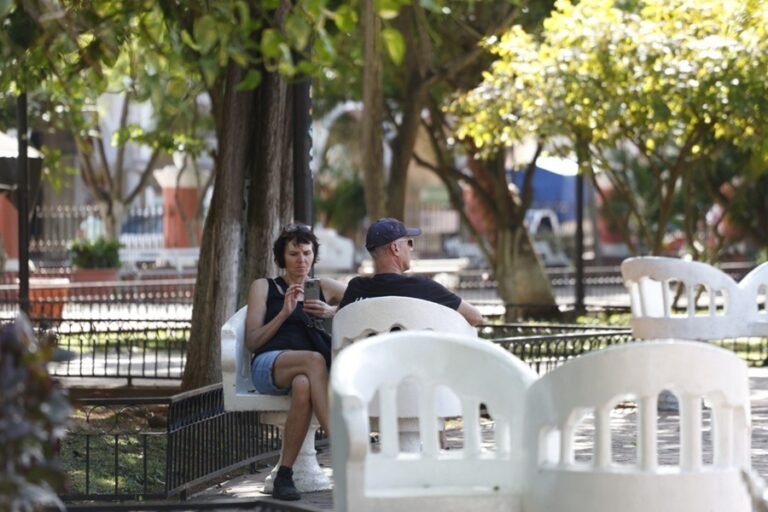
Valladolid, Yucatán — Tourism activity in Valladolid, a Magical Town in Yucatán, has recorded a sustained drop in visitor numbers and local merchants’ income, a situation that has not been reversed even with the operation of the Maya Train, according to testimonies gathered in the city’s downtown area.
“In over ten years that I’ve been here, we’ve never experienced such low movement, not even during high season,” recounted a vendor at the craft market, noting that December—traditionally one of the months with the highest activity—closed with sales below the usual level.
Currently, both the market and various businesses located near the historic center remain semi-empty for much of the day, which has forced many merchants to modify their schedules and open after midday to reduce losses.
“Before we stayed open until eight at night; now by five or six there’s nothing left to do,” explained the same merchant.
Daily income also reflects the impact of the low influx. While in previous years sales allowed hiring additional staff during high seasons, today vendors barely manage to cover basic operating expenses.
The market, which was recently remodeled, used to benefit from the constant flow of visitors who toured the center, consumed food, and purchased crafts. However, merchants indicate that currently many tourists remain only a few hours in the city and quickly move to nearby destinations, such as Chichén Itzá, which reduces local consumption.
Maya Train Without Visible Impact on Local Commerce
One of the main complaints expressed by vendors is that the Maya Train, announced as a tourism catalyst for the region, has not yet generated a constant flow of visitors to the commercial zone of the municipality.
To this situation are added urban planning problems, as street vendors set up on streets with higher pedestrian traffic, without the tax costs faced by established businesses.
According to the merchants themselves, the decrease in influx could also be related to the general decline in tourist flow that Quintana Roo has recorded during 2025, an entity that represents one of the main points of origin for visitors who traditionally come to Valladolid.
Lack of Connectivity, Promotion, and Longer Stays
Merchants also point out that the location of the Maya Train station and the lack of efficient connectivity to the center have limited the real impact of the project on commercial dynamics. They explain that many visitors arrive on organized tours, remain few hours in the city, and return without touring the market and traditional commerce zone.
Additionally, some vendors warn that the local tourism offer has not been accompanied by a clear institutional promotion strategy to encourage overnight stays in the municipality. They note that, despite the Magical Town designation, there are no visible campaigns that promote prolonged stays or mechanisms that directly link tourists with the local economy.
The perception of economic stagnation is also reflected in other commercial sectors of the center, such as restaurants, cafeterias, and small hotels, where consulted owners acknowledge that the level of occupancy and consumption is below what was recorded before the pandemic and far from the expectations generated with the arrival of the Maya Train.
Discover more from Riviera Maya News & Events
Subscribe to get the latest posts sent to your email.