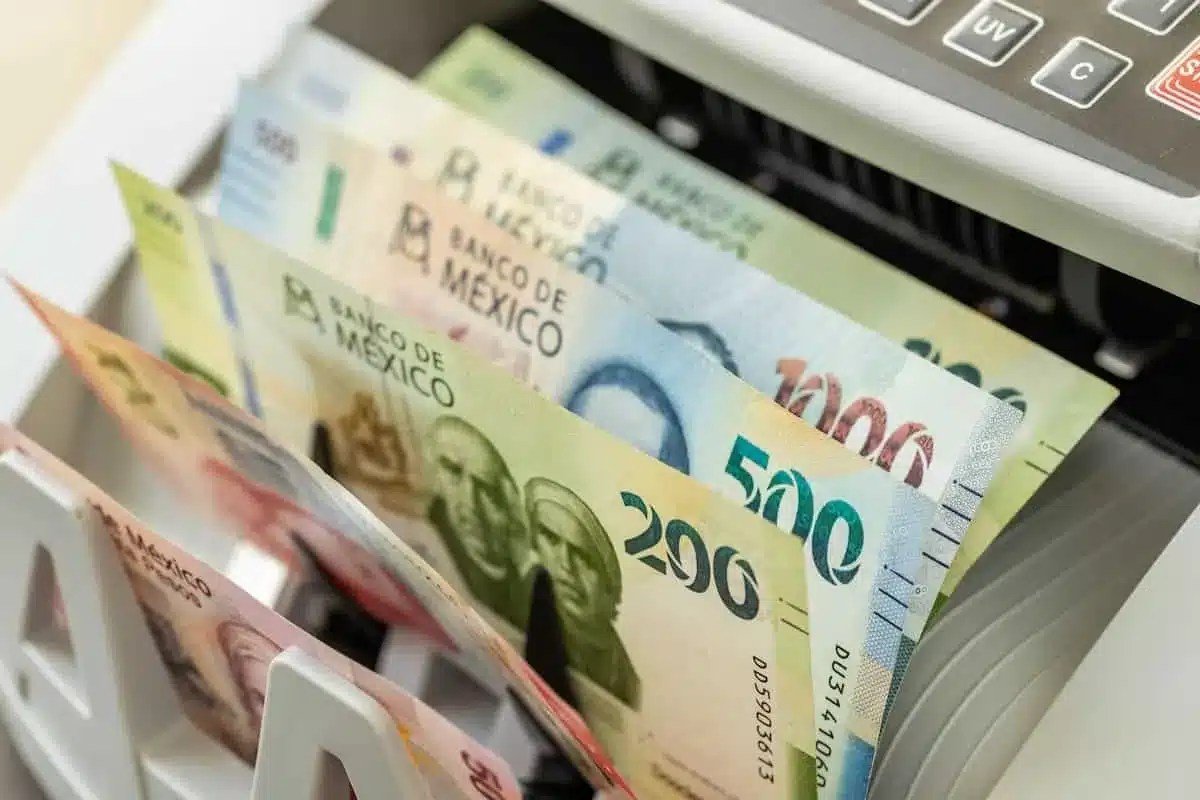
Mexico — The start of 2026 brings a complex economic panorama for Mexico. The increase in taxes on beverages and other products adds to an environment of economic stagnation, persistent inflation, and a decline in the purchasing power of families, which is beginning to be reflected in daily consumption and the stability of small businesses.
Cuauhtémoc Rivera, president of the National Alliance of Small Merchants (ANPEC), warned that these fiscal adjustments were not gradual and are already having visible effects on prices, sales, and employment, at a time also marked by uncertainty about the renegotiation of the T-MEC.
Higher Taxes, Weaker Consumption
According to ANPEC, the tax increases, that is, the taxes applied to flavored beverages and cigarettes, provoked a chain reaction. Beverages registered increases of between one and eight pesos, while cigarettes increased between 15 and 22 pesos, pressuring distribution and sales costs.
This impact did not remain limited to those products. Rivera explained that the price increase transferred to basic consumer items such as tortillas, baked goods, dairy products, cold cuts, groceries, and cleaning and personal hygiene products. The result is less money circulating in households and increasingly reduced margins for small businesses due to the tax issue.
Small Businesses, the Most Affected
ANPEC warned that the cumulative effect of taxes and other costs has caused a sustained loss of businesses and jobs. Small merchants face an adverse combination: lower consumption, higher operating expenses, and an economy that shows no clear signs of recovery.
Data from the Mexican Social Security Institute indicate that in the last two years more than 41,000 employers have been lost, 24,000 in 2025 alone, reflecting business closures and labor precarization in different sectors.
Economic Growth Stagnated in Mexico
The Bank of Mexico estimated GDP growth close to 0.3% in 2025, a figure that confirms practically non-existent progress. For ANPEC, this low growth aggravates the so-called “January slope,” which is not an isolated phenomenon, but the result of economic decisions that pressure internal consumption.
To this scenario are added factors such as extortion and protection rackets, which raise costs and discourage investment, especially in formal commerce and in regions with high criminal incidence.
Energy, Climate, and Remittances Pressure the Economy
Other elements have intensified economic pressure in 2026. The price of natural gas increased 19% in 2025 and there are projections that it could double this year. Additionally, gasoline and diesel registered increases of between 25 and 32 cents per liter, affecting transportation and logistics.
ANPEC also indicated that extreme climate phenomena and a 6% drop in remittances during last year have further reduced the disposable income of millions of families, especially in communities that depend on these resources.
T-MEC, a Key Factor Amid Uncertainty
In this context, the possible renegotiation of the Treaty between Mexico, the United States, and Canada (T-MEC) generates additional concern. Rivera emphasized that maintaining a tariff-free agreement is fundamental to preserving the competitiveness of formal commerce and the flow of goods between the three countries.
The uncertainty about the future of the treaty occurs at a time of internal economic weakness, which could amplify negative effects on investment, employment, and prices if current conditions of commercial integration are not preserved.
Topics in the T-MEC Renegotiation
The review of the T-MEC scheduled for 2026 will address sensitive issues for Mexico. Among them stand out rules of origin and tariff requirements that impact the automotive industry, as well as energy policies and the role of state companies like Pemex and CFE.
Topics of digital commerce, cross-border data flows, compliance with labor and environmental norms will also be discussed, in addition to the elimination of trade barriers and the simplification of customs procedures, factors that directly influence regional competitiveness.
Sheinbaum Defends T-MEC Against Trump’s Criticisms
On January 14, President Claudia Sheinbaum responded to statements by Donald Trump, who called the T-MEC irrelevant for the United States. The president affirmed that those who most defend the treaty are U.S. businesspeople themselves, due to the high economic integration between both countries.
Sheinbaum maintained that there is confidence in the Mexican economy and in the continuity of the commercial relationship with the United States, considering that the treaty is beneficial for both nations and key for regional economic stability.
Discover more from Riviera Maya News & Events
Subscribe to get the latest posts sent to your email.