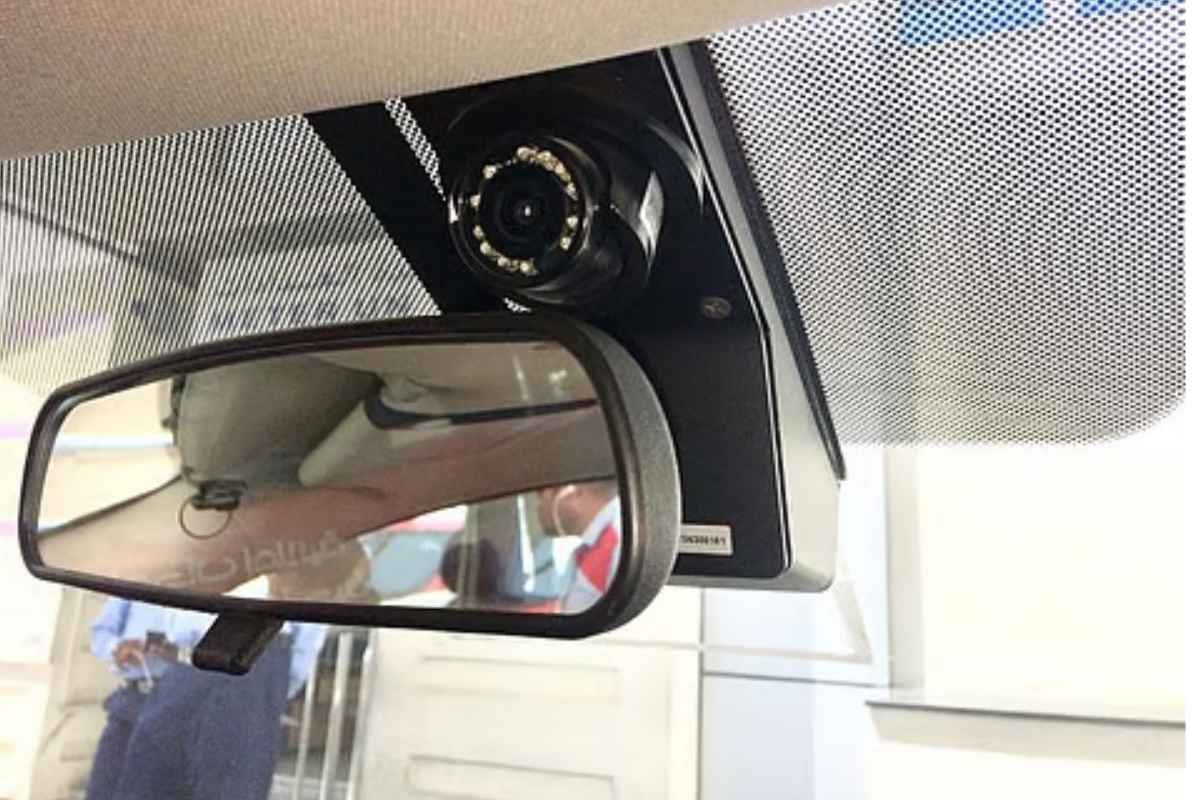
Chetumal, Quintana Roo — Taxi concessionaires in Quintana Roo will have to install GPS systems in their vehicles to renew their permits in 2027, the state mobility institute Imoveqroo has confirmed. Surveillance cameras will not be mandatory.
Rafael Hernández Kotasek, the institute’s director general, said the GPS requirement is set out in the law and will be enforced when the renewal process begins in January 2027. He said the agency has recommended that operators install cameras for their own safety and that of passengers, but that the decision will depend on their financial resources.
“Let’s be clear: the law makes GPS mandatory, and that is what we will be asking for at the start of the year to process the renewal of permits for 2027,” Hernández Kotasek said. “Installing surveillance cameras will not be a mandatory requirement, although many units have these devices for security and that is good, but they must have geolocation systems.”
More than 30,000 concessionaires are registered in the state, and all will need to integrate GPS into their service. The technology enables real-time satellite tracking of vehicles, a feature already built into taxis operating on digital platforms, which will not need additional equipment.
Hernández Kotasek acknowledged that surveillance cameras are useful. He said cameras on buses in the Mobi public transport system helped identify a passenger who vandalized the interior of a unit and led to a reprimand for a driver who was talking on his phone while driving.
“One of the fundamental elements of the Mobi public transport system is security,” he said. “All units have between five and seven cameras depending on the model, all connected to the C5 command center. They also have a panic button, so if there is an incident, a police unit responds. Looking at this security issue, we can find negative actions by both users and operators, and at the time a user who painted a unit was sanctioned, and we recently set a sanction for an operator who was talking on his cellphone.”
The devices have also helped authorities corroborate reports from the public and verify the information they provide, factors that taxi unions also take into account, Hernández Kotasek said.
More Business
- Cancun Restaurants Expect 10-15% Sales Bump for Thanksgiving
- Isla Mujeres Rides Infrastructure and Beach Upgrades to Top Caribbean Tourism Ranks
- Quintana Roo Leads Mexico in Housing Demand and Rentals, INEGI Survey Finds
- Long IMSS Waits Drive Cancun Residents to Pharmacy Clinics
- Mexico Escapes Trump’s New Tariffs as US Keeps Preferential Trade Treatment
More Quintana Roo
- Quintana Roo Launches ‘Libres y Seguras’ Strategy to Prevent Gender Violence
- Quintana Roo Bans Cellphones in Basic Education Classrooms
- Quintana Roo Officials Deny New Cadastral Law Will Trigger Automatic Property Tax Hikes
- Quintana Roo Legislature Begins Review of 2027 Municipal Revenue Laws
- Quintana Roo Launches ‘Libres y Seguras’ Strategy to Prevent Violence