
Mexico City — Mexico has, for now, dodged a new tariff grenade from the US government. The Latin American country was left out of a proposal to raise tariffs on exports from 14 of its main trading partners, including China, South Korea, Vietnam, Taiwan, Bangladesh, Japan, India and the European Union.
The Trump administration argues that these nations engage in “structural industrial overcapacity” to undercut prices, hurting US industry. The Office of the US Trade Representative (USTR) proposes tariffs of between 15% and 35% and has left resolutions on Mexico and Norway pending.
USTR chief Jamieson Greer said many countries have adopted industrial strategies focused on manufacturing, suppressing wages and labor rights, using inputs from non-market economies and other market-distorting practices. “These actions tilt the trade balance in their favor while eroding the US manufacturing base,” he said in a written statement. Following the investigation under Section 301 of the US Trade Act of 1974, Washington will open a public consultation on its tariff proposal and has not yet set a tentative date for it to take effect.
In interviews after the tariff announcement, Greer said the US investigation into Mexican trade practices is still ongoing and that the publication of the corresponding report will therefore take longer. However, the USTR chief stressed that the United States has maintained steady work with its southern neighbor and recalled that President Trump met with his counterpart Claudia Sheinbaum the previous week on the sidelines of the APEC summit in Shenzhen, China. “We have had very good conversations with Mexico,” he told local media.
The USTR’s industrial overcapacity investigation under Section 301 of the 1974 Trade Act is another chapter in Trump’s protectionist strategy. Allegations of supposed overcapacity in manufacturing form part of a new path after the collapse of the global and reciprocal tariffs imposed by the US justice system. Last February, the Supreme Court struck down the so-called “reciprocal tariffs,” and earlier this month, the US trade court ruled that the universal 10% levies are also illegal. Despite the setback, Trump clings to his vision of reordering international trade through tariffs.
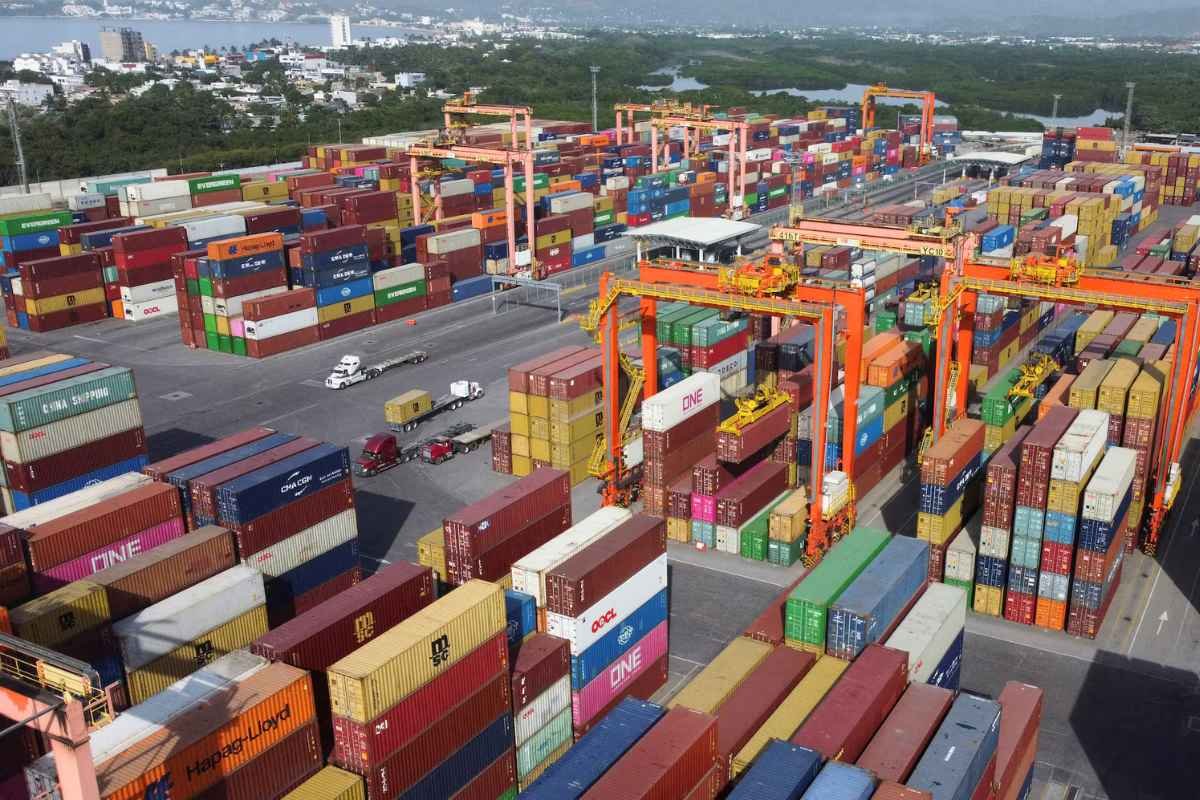
Mexico’s exclusion from the proposal, for now, provides a breather for its export sector. More than 80% of Mexican exports go to the US market and, despite sectoral tariffs on key products such as steel and automobiles, Mexico’s shipments to the United States continue to gain ground month by month. During the first nine months of the year, Mexican exports totaled more than $481 billion, up 20% from the same period in 2025.
Gabriela Siller, director of Economic Analysis at Banco Base, breaks down the mixed picture for Mexico’s export sector. On one hand, tariffs of up to 25% on the automotive industry and 50% on the steel industry have hit these sectors; however, other goods, such as computer equipment, are booming. “In computer equipment, exports have risen 210% this year and, as long as tariffs remain low, this will continue to boost Mexico’s total exports.”
With the postponement of this new tariff card, Mexico still has room to maneuver to seek an agreement with the United States. The Sheinbaum government seeks to preserve preferential trade treatment compared with other countries and reduce the sectoral tariffs that have curtailed steel and automobile shipments, while fighting for the permanence of the USMCA.
More Economy
- Quintana Roo Leads Mexico in Housing Demand and Rentals, INEGI Survey Finds
- Cancún Prepares Second Edition of ‘Fiesta del Taco’ on Avenida Yaxchilán
- Quintana Roo Officials Deny New Cadastral Law Will Trigger Automatic Property Tax Hikes
- Ichkabal Mayan Ruins to End Free Admission in 2027 Under New Federal Fees
- Isla Mujeres Residents Fight 37% Ferry Fare Hike, Seek Federal Intervention