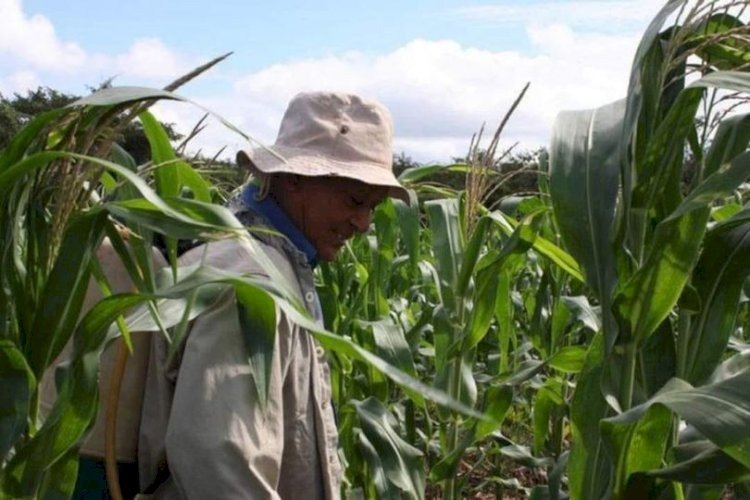
Othón P. Blanco, Quintana Roo — The agricultural sector of Quintana Roo faces another year of neglect. For the 2026 fiscal year, the Secretariat of Agricultural, Rural, and Fisheries Development will have 413 million 196 thousand 190 pesos, a figure that, while appearing high on paper, is insufficient to address the most urgent needs of producers.
In contrast, the Secretariat of Finance and Planning will spend 2 billion 523 million 520 thousand 411 pesos, while the Secretariat of Welfare will have 1 billion 706 million 802 thousand 468 pesos. Compared to these amounts, the agricultural sector receives crumbs.
Divided among eleven municipalities, programs, and bureaucracy, the real impact on rural communities is almost negligible. What is announced as support for agriculture ends up diluted in administrative spending or temporary assistance without lasting infrastructure. The result is a sector in ruins, with destroyed roads, obsolete irrigation systems, and producers without access to credit.
The consequences are visible: migration of young people toward tourism and cities, loss of traditional crops and food self-sufficiency, growing dependence on external products, and the disintegration of rural cultural identity.
The allocated budget is also insufficient to address the pests hitting Quintana Roo’s agricultural sector. Producers point to two serious sanitary problems. One is the cattle screwworm, which causes severe economic losses by affecting herd health. Combating it requires permanent surveillance, vaccination, and biological control campaigns, actions that demand constant resources and that today can barely be covered.
The other is the Fusarium fungus, which affects sugarcane by attacking roots and stems, reducing crop yield and quality. Sugarcane is strategic for rural communities and for the National Union of Sugarcane Growers, but the budget does not guarantee either research or effective control programs.
According to producers, the support provided by Sedarpe is scarce and, when it arrives, usually consists of disposable tools that contribute little or nothing to improving productivity. Thus, the neglect of the agricultural sector not only persists but deepens.
Discover more from Riviera Maya News & Events
Subscribe to get the latest posts sent to your email.