Puerto Morelos, Quintana Roo — More than a decade after opening Punta Corcho on the Puerto Morelos waterfront, chef Daniel Ovadía continues to use the restaurant as a testing ground for the kind of cooking that has defined his career: Mexican ingredients and traditions pushed in unexpected directions.
The restaurant, which opened in 2015 as Ovadía’s first project in the Riviera Maya, has evolved into one of Puerto Morelos’ better-known dining destinations. Its focus remains firmly on seafood, much of it prepared over wood fire, but the current menu is increasingly comfortable borrowing techniques and ingredients from outside Mexico.
That can mean whitebait from Tulum served with beef tartare, tomato, olive oil, chile güero and olives; wood-fired octopus paired with butter, katsuobushi, pistachio, coconut, cilantro and citrus; or a soft-shell crab taco finished with dried-chile mayonnaise and mango salsa.
The combinations may sound eclectic, but they fit Ovadía’s long-established approach to Mexican cooking.
From Paxia to Puerto Morelos
Ovadía, born in Mexico City in 1983, first gained national attention through Paxia, the restaurant where he became known not just for cooking Mexican food but for researching it. His menu development involved academics, traditional cooks, producers, artisans and others who helped document regional ingredients and food traditions. His early work explored areas including Tlaxcala, Milpa Alta and Xochimilco and incorporated native corn, quelites, beans and traditional herbs long before that approach became common in contemporary Mexican restaurants.
He later expanded into a broad portfolio of restaurant concepts, including Nudo Negro, Peltre, Merkavá and other projects in Mexico City, while also developing restaurants in Puerto Morelos and menus for the Chepe Express train. In 2016, CANIRAC gave him its Premio al Mérito Empresarial Restaurantero in the young restaurateur category.
Punta Corcho gave Ovadía a different pantry to work with.
Here, Caribbean fish and shellfish replace the central Mexican ingredients that shaped much of his earlier work, while the wood-fired oven has become one of the restaurant’s defining tools. The official restaurant description still emphasizes seafood cooked over fire, alongside ceviches, tiraditos, aguachiles and Mexican garnachas.
A Restaurant Closely Tied to Puerto Morelos
Even the name is local. Punta Corcho was an early name used for the settlement that eventually became Puerto Morelos, when the area functioned as a small Caribbean port connected to the timber trade. Today, the restaurant looks toward the waterfront and central park from an open-air second-floor dining room under a palapa roof.
That setting is more than scenery for a restaurant built around seafood.
Puerto Morelos remains a fishing community as well as a tourism destination, and Punta Corcho’s menu leans heavily into fish, shellfish and preparations associated with the Caribbean coast. Michelin’s current Mexico guide describes the restaurant as seafood-focused and highlights its wood-fired cooking, ceviches, aguachiles and combinations that mix familiar Mexican flavors with influences such as Provençal butter and horseradish aioli.
Punta Corcho also received a Michelin Bib Gourmand in 2024, recognition given to restaurants that Michelin considers particularly good value for the quality of the cooking. The restaurant remains listed in the Michelin Guide’s current Mexico selection.
What’s New for Foodies
The most interesting development is not necessarily one new dish, but how far Punta Corcho is pushing beyond the straightforward grilled-fish restaurant it could easily have become.
Recent dishes pair Caribbean seafood with Japanese ingredients, tropical fruit and contemporary techniques while still returning to recognizably Mexican flavors such as dried chiles, tortillas and citrus. That is particularly apparent in combinations such as wood-fired octopus with katsuobushi and coconut, or soft-shell crab with mango and chile.
The restaurant’s drinks program has also become more ambitious.
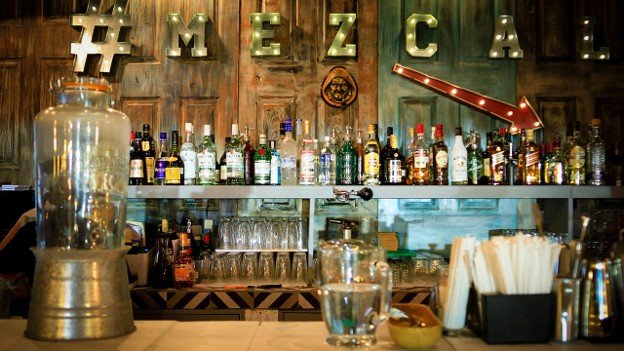
Inside Punta Corcho, Fisherman’s operates as a small cocktail-focused concept using fermentation, maceration and marine infusions. Current descriptions position it as a more intimate extension of the main restaurant, built around saline, citrus and herbal flavors rather than a conventional bar menu.
That gives returning diners another reason to look at Punta Corcho again rather than treating it as a restaurant they already know.
The Menu Is Still About the Fire
For all the experimentation, the wood-fired oven remains central to the kitchen. Current menus and Michelin’s inspectors continue to point toward roasted octopus, whole or wood-fired fish, ceviches and aguachiles as defining elements of the restaurant.
The difference is that Ovadía appears increasingly willing to place those Caribbean ingredients in less predictable combinations.
That makes Punta Corcho an interesting marker of how dining in Puerto Morelos has changed. The town still has plenty of places where the appeal is simply fresh fish, cold beer and a view of the sea. Punta Corcho occupies a different lane: using the same Caribbean ingredients as a starting point for a more ambitious contemporary Mexican kitchen.
For diners who have not been in a while, that may be the real reason to go back.
More Culture
- Religious Divides Thwart Maya Traditions at Quintana Roo Intercultural University
- Quintana Roo Hands Out First Rural Sector Merit Awards to Three Workers
- Playa del Carmen Marks 124 Years With Second Festival del Origen
- Expo Tattoo Cozumel 2026 to Feature 50 Tattoo Artists, Lucha Libre and Music
- Playa del Carmen Queer Film Festival Closes 13th Edition With 75 Films
More Puerto Morelos
- Puerto Morelos Renews 453 Business Licenses and Registers 109 New Ventures
- Cancún and Puerto Morelos Hotels Resume Job Fairs With 200 Vacancies
- Puerto Morelos Tourism Operators Sign Up for State Registry
- Free Mammograms in Quintana Roo: Bacalar, Cancún and Puerto Morelos Set for Nov. 17-20
- Puerto Morelos to Host 10th Mesoamerican Ballgame Championship