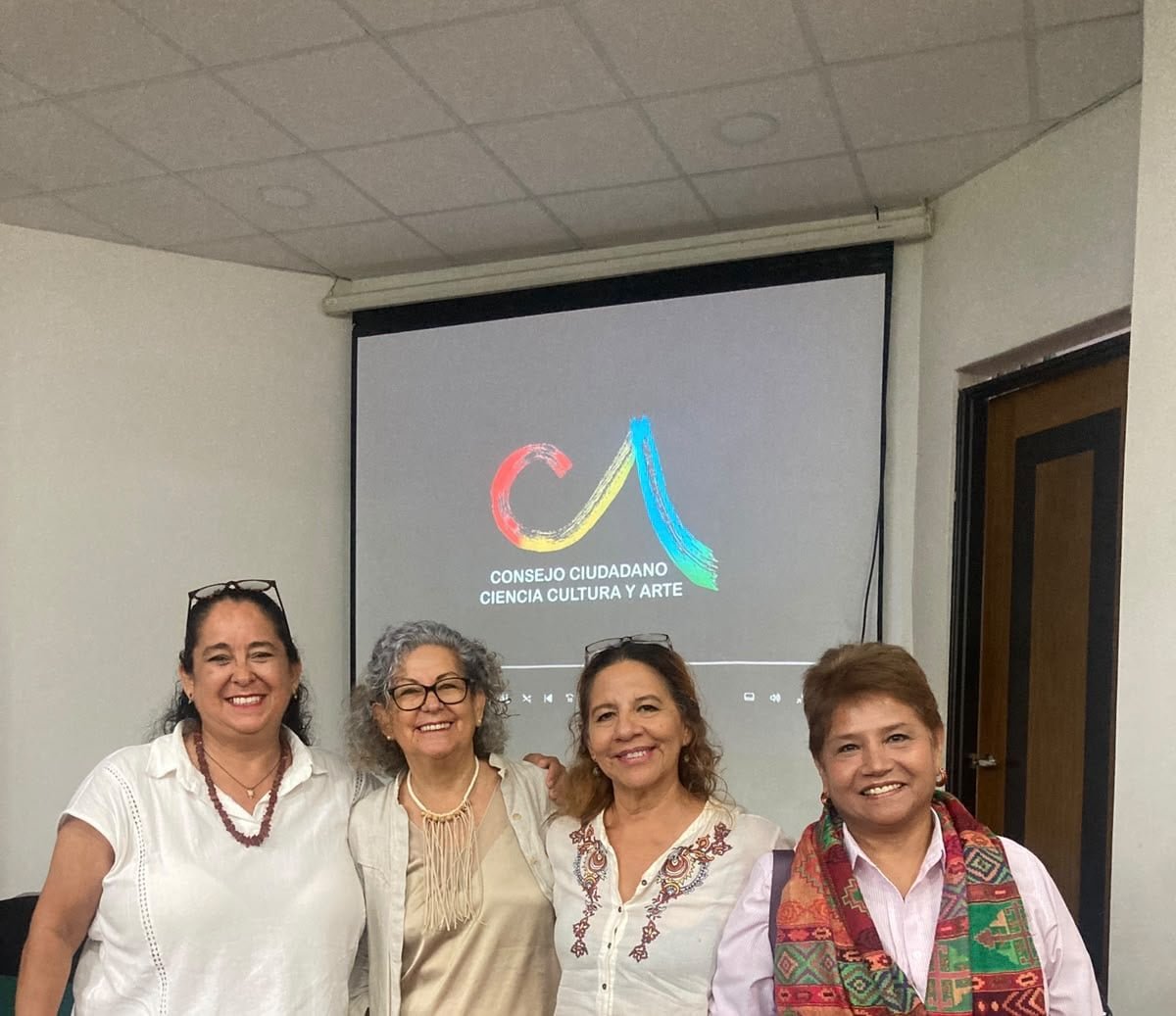
Playa del Carmen, Quintana Roo — Playa del Carmen is marking 124 years since it was established as a settlement with the Second Festival del Origen, a two-day program devoted to history, art, science and citizen participation on Nov. 13 and 14.
The Playa del Carmen Citizen Council for Science, Culture and Arts (CCCCA) organizes the festival with support from the Autonomous University of the State of Quintana Roo (Uqroo) and Faro, the city’s arts and crafts center. This year’s theme is “Playa del Carmen 1902. Past, present and future. Living memory.”
Organizers say the event aims to recover the community’s collective memory, recognize the people who have contributed to its growth and open a conversation about the challenges and opportunities that will shape the city’s future.
A 1902 document and a look at the city’s boom years
The first day opened at 9 a.m. on Nov. 13 at the Uqroo campus in Playa del Carmen with welcoming remarks from CCCCA president Daniela Jáuregui and campus director Francisco Naranjo.
Participants reviewed the 1902 historical document that first mentions Playa del Carmen as an established settlement on the Mexican Caribbean coast. The document will be put on display for the community and presented by the city’s lifetime chronicler, Raymundo Tineo.
The program also brought together people who shaped the city’s cultural, social, educational, economic and environmental life between 2000 and 2020, a period organizers describe as one of rapid growth and development. Panels and roundtables covered topics including “The Origin,” “New Narratives,” “Living Memory of Playa del Carmen,” “The Voice of Young People” and “Playa del Carmen in 2050, the City We Dream Of.”
Special guests included Jesús Puc, a founder of the city; environmentalist and founder Jorge Fuentes; artist and pioneer Armando Martínez; cultural organizer Luis Ernesto López, founder of the Explayarte school; Claudia Pozo, director of the El Papalote school; Paul López, architect of the city theater; activist and environmentalist Lupita de la Rosa of the group Moce Yax Cuxtal; Rossy Vivanco, director of La Ceiba park and a reading mediator; and Maku Lignarolo, a cultural promoter and creator of the Caminarte project.
The sessions feed into the drafting of the Playa del Carmen 2050 Citizen Manifesto, a collective document that will gather residents’ proposals and reflections on the city’s future.
Art, books and local projects at Faro
The second day runs Saturday, Nov. 14, from 4 p.m. to 8 p.m. in the main hall at Faro in Villas del Sol, where artistic groups and community cultural projects will come together.
Highlights include the presentation of the book “Collagistas mexicanos” by Axis; a talk by Diana Bucio on participatory art practices and the construction of belonging in the Mexican Caribbean; and a session on recovering the historical memory of local theater led by the Coordinación de Teatro.
A local bazaar will run alongside information stands from Tribu Sustentable magazine, Moce Yax Cuxtal and the Chenzubul initiative. Cenotes Urbanos will host “Nights of the Underworld: Jungle, Sea, History and Youth,” and the festival will feature participatory art installations and exhibitions dedicated to local projects.
Organizers describe the festival as more than a historical commemoration, aiming to establish it as a meeting ground for residents, culture, science and collective memory.
More Events
- Quintana Roo Joins Noche de las Estrellas 2026 With Free Astronomy Events in Five Cities
- Expo Tattoo Cozumel 2026 to Feature 50 Tattoo Artists, Lucha Libre and Music
- Buen Fin 2026 Travel Deals: Flights and Hotels to Quintana Roo Compared
- Playa del Carmen Queer Film Festival Closes 13th Edition With 75 Films
- Artisans From Yucatan Peninsula and Central America Showcase Crafts at Playa del Carmen Forum
More Playa del Carmen
- Caribbean Mexico Takes Five of Top 10 Spots in Thanksgiving 2026 Destination Ranking
- Thirty Hotel Workers Allege Retaliation Firings at Playa del Carmen’s Wyndham Altra
- Playa del Carmen Weighs Extending Tax Breaks to December
- Playa del Carmen Collects 469 Tons of Recyclable Waste in First 10 Months of 2026
- Chickenpox Outbreak Prompts Class Suspension at Playa del Carmen Middle School