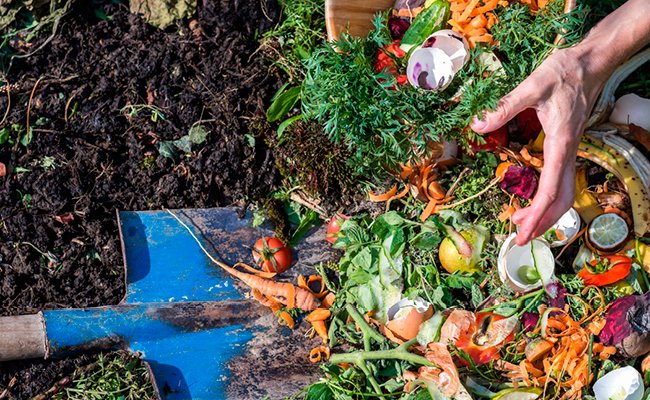
PUERTO MORELOS, Mexico — In a move that reinforces local sustainability efforts and highlights the growing role of the hospitality sector in environmental responsibility, the Puerto Morelos Municipal Government and El Cid Resorts have agreed to continue their Organic Bio-Waste Program, a partnership that redirects up to 2.5 tons of organic waste per day away from landfills and back into productive use.
The agreement was announced by Municipal President Blanca Merari Tziu Muñoz, who emphasized that the program supports recycling culture, environmental stewardship, and local agricultural producers, while also reducing pressure on the municipality’s solid waste infrastructure.
The initiative is coordinated through the Secretariat of Economic Development and Regulatory Improvement of Puerto Morelos, working in collaboration with El Cid Resorts’ environmental management team.
Turning Hotel Waste Into a Local Resource
Under the program, El Cid Resorts separates organic waste generated from food preparation at its hotel complex — including kitchen scraps and food remnants produced while serving guests — and delivers between 1.5 and 2.5 tons daily to authorized local producers.
According to municipal authorities, the volume fluctuates depending on hotel occupancy, with the highest levels reached during peak tourist seasons, when Puerto Morelos sees a surge in visitors.
“The product is meticulously separated, which ensures it is of high quality and suitable for use in feeding animals on farms and ranches within the municipality,” said Tziu Muñoz. “In this way, we promote sustainability while significantly reducing the amount of waste sent to the landfill.”
A Practical Example of the Circular Economy
The Organic Bio-Waste Program is rooted in the principles of the circular economy, a model that seeks to minimize waste by keeping materials in use for as long as possible. Instead of discarding organic waste, the program converts it into a valuable input for local livestock producers, who use it as feed for animals raised for meat and other agricultural purposes.
This approach delivers multiple benefits:
- Reduced landfill use, easing the environmental burden and extending the lifespan of waste disposal sites
- Lower production costs for agricultural producers, who rely less on commercially manufactured feed
- Reduced greenhouse gas emissions, as organic waste diverted from landfills avoids producing methane during decomposition
Municipal officials estimate that up to 90% of the organic material generated through the program is fully utilized, a significant efficiency rate compared to conventional waste disposal practices.
Support for Local Producers
At present, the program directly benefits three of the 11 registered agricultural producers in Puerto Morelos, as well as the Crococun Zoo, which uses part of the organic material to feed animals under its care.
Participating producers receive official municipal documentation authorizing the transport and proper use of organic waste, as well as access cards that allow them to enter hotel facilities and cold-storage areas where the waste is kept prior to collection.
According to Elena Gutiérrez Briceño, Secretary of Economic Development and Regulatory Improvement, this structure ensures both traceability and compliance with health and safety regulations.
“The program began by formalizing access and handling procedures for producers, which guarantees that the organic material is managed responsibly and efficiently,” Gutiérrez Briceño explained.
Addressing a Growing Waste Challenge
Puerto Morelos, like many rapidly developing coastal destinations in Quintana Roo, faces mounting challenges related to solid waste management. Tourism growth brings economic opportunity but also increases the volume of waste generated daily, particularly organic waste from hotels, restaurants, and resorts.
Municipal authorities have repeatedly emphasized that reducing the amount of waste sent to landfills is a priority, both to protect surrounding ecosystems and to control long-term operational costs.
Organic waste represents one of the largest components of municipal garbage streams. When improperly managed, it contributes to odors, leachate, pest attraction, and methane emissions — a potent greenhouse gas. Programs like this one directly address those concerns by treating organic waste as a resource rather than a liability.
Public-Private Collaboration as a Model
The continuation of the Organic Bio-Waste Program reflects a broader trend toward public-private collaboration in environmental management across the Riviera Maya. While municipal governments are responsible for waste collection and disposal, large tourism operators play a critical role in reducing waste at the source and implementing separation practices.
Representatives from El Cid Resorts present at the renewal of the program included Juan Cuevas and Sandra Gabriela Vidal, coordinators of the resort’s Environmental Management Program. They were joined by members of the company’s legal, auditing, comptroller, and communications teams, underscoring the institutional commitment behind the initiative.
Municipal officials involved included Juan Carlos Vega Benítez and Ignacio Sánchez Herrera, directors of Economic Development and Agricultural Development, respectively, highlighting the cross-departmental coordination required to keep the program functioning.
Environmental Responsibility Beyond Recycling
Beyond waste reduction, the program serves as a tangible example of how tourism operations can integrate environmental responsibility into daily operations without disrupting service or profitability.
By investing in waste separation systems, cold-storage infrastructure, and partnerships with local producers, El Cid Resorts contributes to sustainability goals while strengthening ties with the surrounding community.
For Puerto Morelos, the initiative aligns with broader municipal objectives that include environmental protection, support for local producers, and the promotion of responsible tourism practices.
Looking Ahead
Municipal authorities have indicated that the Organic Bio-Waste Program could expand in the future, potentially incorporating additional producers or encouraging other hotels and restaurants in Puerto Morelos to adopt similar models.
As tourism continues to grow along Mexico’s Caribbean coast, programs like this one demonstrate how collaboration, planning, and local engagement can help balance economic development with environmental responsibility.
For now, the renewed agreement ensures that tons of organic waste each week will continue to be diverted from landfills, feeding animals, supporting farmers, and reinforcing a more sustainable approach to waste management in Puerto Morelos.
Discover more from Riviera Maya News & Events
Subscribe to get the latest posts sent to your email.