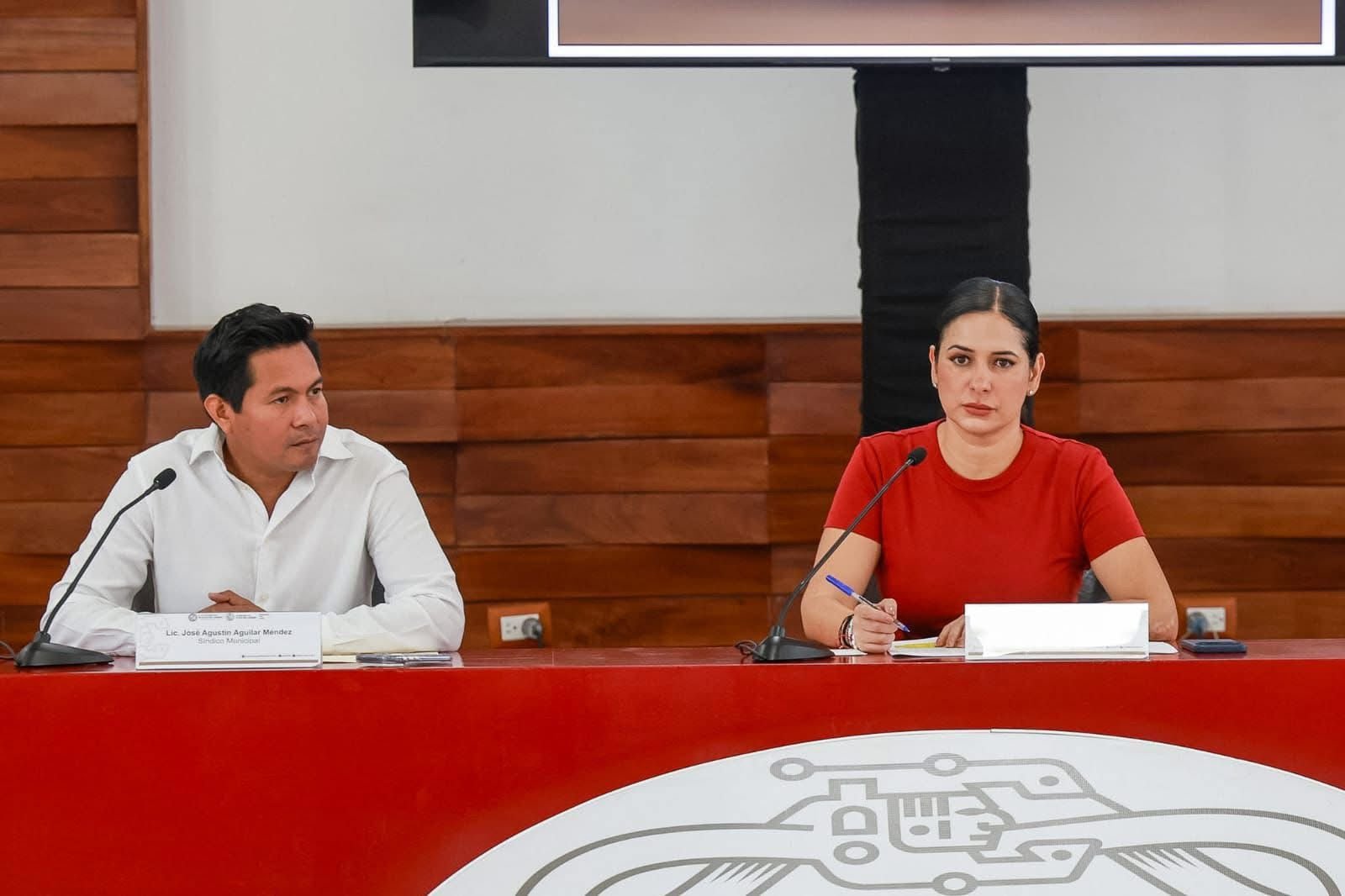
Playa del Carmen, Mexico — The government of Playa del Carmen will task the Quintana Roo Tax Administration Service (SATQ) with pursuing delinquent property tax payers through a new administrative agreement. The move aims to collect debts that the Municipal Treasury has been unable to secure on its own.
State Infrastructure to Expedite Collection
The agreement, authorized by the city council on March 13, was made in coordination with the State Secretariat of Finance and Planning (Sefiplan). Mayor Estefanía Mercado stated that "the state administrative infrastructure will allow for faster notifications and collection processes, with the objective of regularizing debts that are held by about 20% of property tax payers in Playa del Carmen."
Municipal Treasurer Javier Regalado Hendricks said the agreement with SATQ is specifically for the collection of property taxes from delinquent taxpayers. The municipal government expects to obtain an additional 100 million pesos from this effort, which would also qualify the funds for inclusion in the Federation's Municipal Development Fund.
Targeting the Outstanding Debt
Regalado Hendricks specified that property tax collection is currently 80% complete. The SATQ will therefore focus exclusively on the remaining 20% of taxpayers who have not paid. This outstanding debt totals approximately 200 million pesos, of which it is estimated the SATQ could collect half through coercive methods.
All proceeds from the collection effort will go to the Playa del Carmen city council, with the SATQ withholding only the execution costs from the collected funds. The treasurer noted the agreement resulted from several meetings with Sefiplan and will remain in effect for one year.
Debtors and Previous Financial Measures
According to the municipal treasurer, the debtors are not primarily in the business sector but are individual homeowners. He highlighted that the entire hotel sector complied with payment of the 2026 Property Tax within the first 15 days of the year to take advantage of a 25% discount offered by the municipality.
The report notes that Mayor Estefanía Mercado's government previously faced an income crisis in 2025 due to financial planning that programmed income and expenses far above the municipality's economic reality. This led to a short-term loan of 125 million pesos contracted without council authorization. To cover a financial shortfall of almost 200 million pesos in the third quarter of 2025, the government later applied increases to the Property Tax and various municipal service rates for 2026.
The highest increase was in the Property Tax, particularly for the hotel and business sector, which saw costs rise by up to 22% due to an increase in the cadastral value of properties. This measure generated nearly 100 million pesos in additional revenue for the municipality, according to Javier Regalado Hendricks.
Contrast with Other Municipal Agreements
To date, two other Quintana Roo municipalities—José María Morelos and Lázaro Cárdenas—have signed agreements with Sefiplan for the SATQ to collect their Property Tax. However, their agreements differ as they are for collection from all taxpayers, not solely delinquent ones, and their duration extends until the end of both administrations.
Discover more from Riviera Maya News & Events
Subscribe to get the latest posts sent to your email.