Mexico City — The Ministry of Agriculture and Rural Development said 1,199,170 indigenous and Afro-Mexican producers are receiving direct, no-intermediary support through the federal government’s Production for Well-being program, which aims to improve output of priority crops among small- and medium-scale farmers.
Of the total, 457,973 are women and 741,197 are men, representing 66.8 percent of the program’s overall beneficiary registry, the ministry reported.
The support reaches producers in 29 states: Aguascalientes, Campeche, Coahuila, Colima, Chiapas, Chihuahua, Mexico City, Durango, Guanajuato, State of Mexico, Guerrero, Hidalgo, Jalisco, Michoacán, Morelos, Nayarit, Nuevo León, Oaxaca, Puebla, Querétaro, Quintana Roo, San Luis Potosí, Sinaloa, Sonora, Tabasco, Tlaxcala, Veracruz, Yucatán and Zacatecas.
Agriculture Secretary Columba Jazmín López Gutiérrez stressed the importance of indigenous and Afro-Mexican communities as guardians of traditional farming practices, biodiversity and native seeds. The milpa system — a traditional intercropping method combining corn, beans and squash — is a pillar of Mexico’s agricultural and cultural heritage and is cultivated by 12.4 percent of the program’s indigenous and Afro-Mexican beneficiaries.
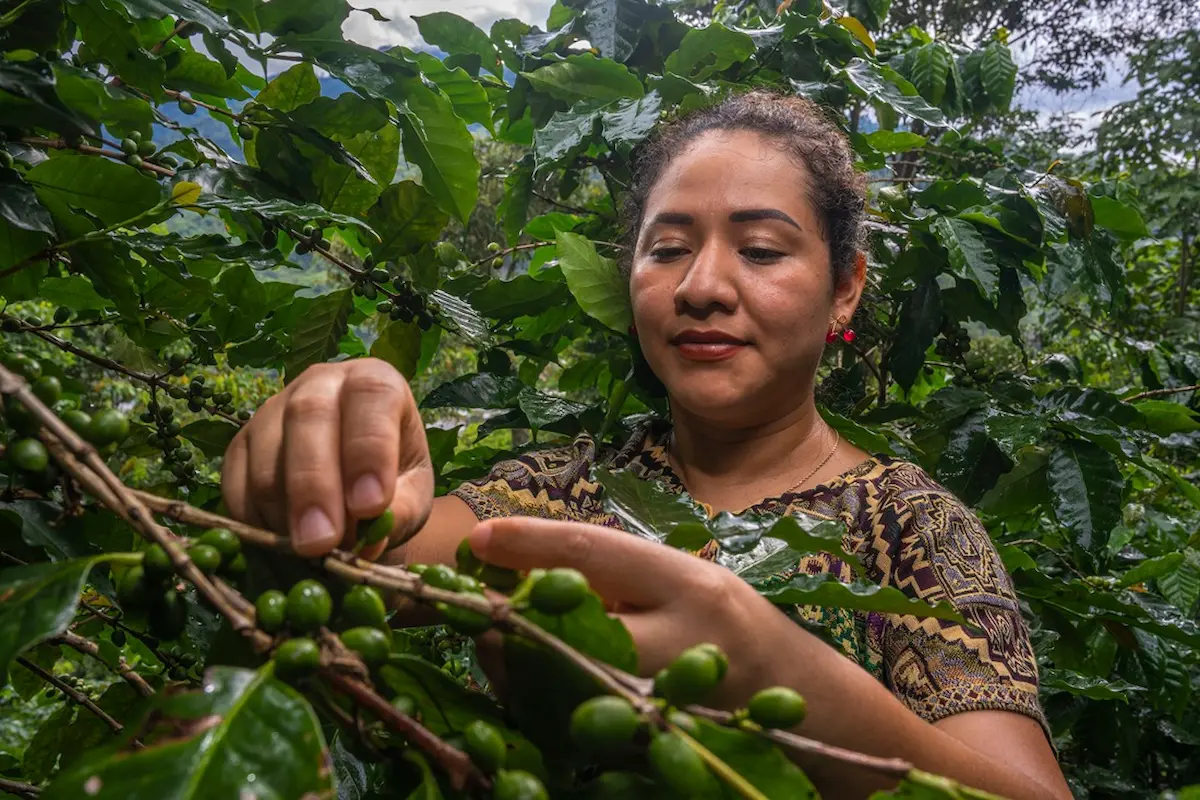
Under the program’s latest operating rules, native corn is now formally recognized as a supported crop, with indigenous and Afro-Mexican communities acknowledged as its principal custodians. The most common crops produced by this group are corn, with 779,330 beneficiaries; milpa plots, with 148,562; sugarcane, with 69,436; and coffee, with 59,299.
The ministry added that the payments are part of a wider federal effort to deliver welfare benefits directly to indigenous and Afro-Mexican communities, older adults, people with disabilities, women aged 60 to 64, young people and others whose work helps ensure the country’s food supply.
More Government
- Sheinbaum Acknowledges Little Progress in Talks With Vulcan Over Calica
- Fitch Downgrades, Then Upgrades Playa del Carmen Credit Rating Over Missed Payment
- Quintana Roo Port Authority Reports 254 Million Peso Budget Underspend
- Mexico’s Senate Votes 96-0 to Curb Telemarketing Harassment With New Do-Not-Call Registry
- Tulum Airport Operating Normally Despite Flight Cuts, Grupo Mundo Maya Says