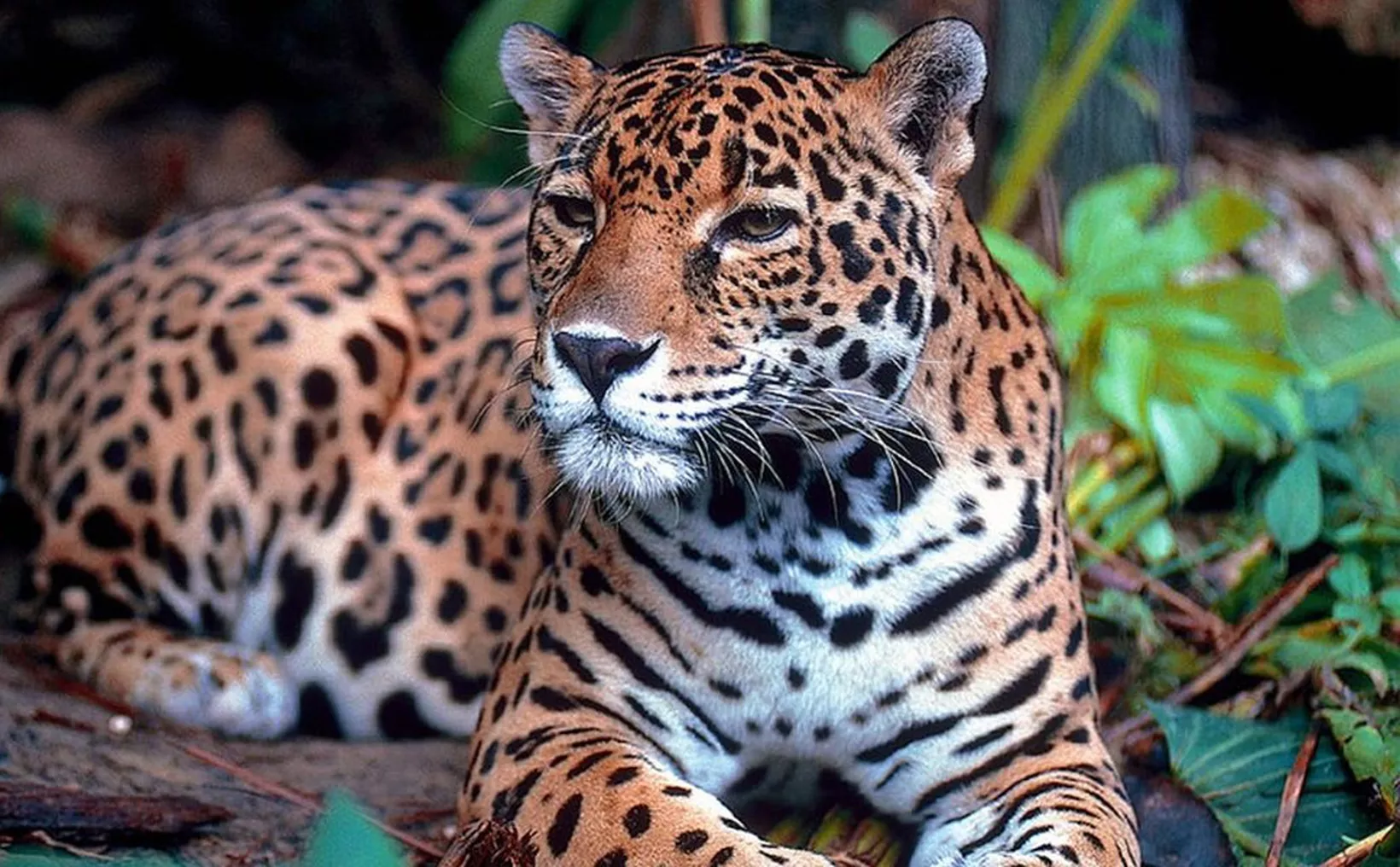
The Yucatán Peninsula, recognized as a global epicenter of biodiversity, faces a conservation crisis: 41 of its 123 terrestrial mammal species are under some category of extinction risk, representing nearly one-third of the region’s total fauna.
Field experts and researchers, such as Jonathan Pérez Flores from El Colegio de la Frontera Sur, indicate that these species are being besieged by a combination of health and environmental threats, ranging from devastating parasites like the screwworm to silent contamination from microplastics.
The peninsula is home to 123 terrestrial mammal species. Quintana Roo leads in diversity with 108 species, followed by Campeche (103) and Yucatán (70).
A total of 34 species are endemic to the region, highlighting the iconic Cozumel dwarf raccoon, exemplifying the peninsula’s unique conservation responsibility.
He noted that the most represented and simultaneously most vulnerable orders are bats (64 species) and rodents (20 species), groups vital for pollination and seed dispersal.
Research, rescue, and rehabilitation work has intensified to combat the direct threats decimating these populations.
“Everyone works from their trench to try to do what is done for the line of conservation, but we need to broaden the topic more, and we have to keep improving in that vision,” stated the researcher.
A central concern is the reappearance of the screwworm (Cochliomyia hominivorax), whose larvae feed on living tissue. Although it has not been reported to affect endangered species like tapirs in Mexico, the experience in other countries and the presence of the human botfly (Dermatobia hominis) forces specialists in the region to constantly monitor wildlife health.
One of the most alarming findings focuses on the tapir, as studies revealed the ingestion of microplastics (fibers, tire fragments, and paint) in their feces, positioning these mammals with the highest presence of microplastics worldwide.
“This fact is a direct and serious indicator of the contamination that is invading even the deepest jungles,” he detailed.
He emphasized that researchers use rigorous techniques, from placing transmitters to necropsies on roadkill animals, to understand the risk dynamics.
The study of the movements of the Mexican porcupine and the tamandua, as well as the phenomenon of photoluminescence in mammal fur, reinforces the conclusion: resource overexploitation and pollution are driving these species away from their home.
The researcher stressed that wildlife conservation in the Yucatán Peninsula requires immediate institutional and social commitment to mitigate habitat loss and control new pollutants and health risks threatening this invaluable natural heritage.
Discover more from Riviera Maya News & Events
Subscribe to get the latest posts sent to your email.