
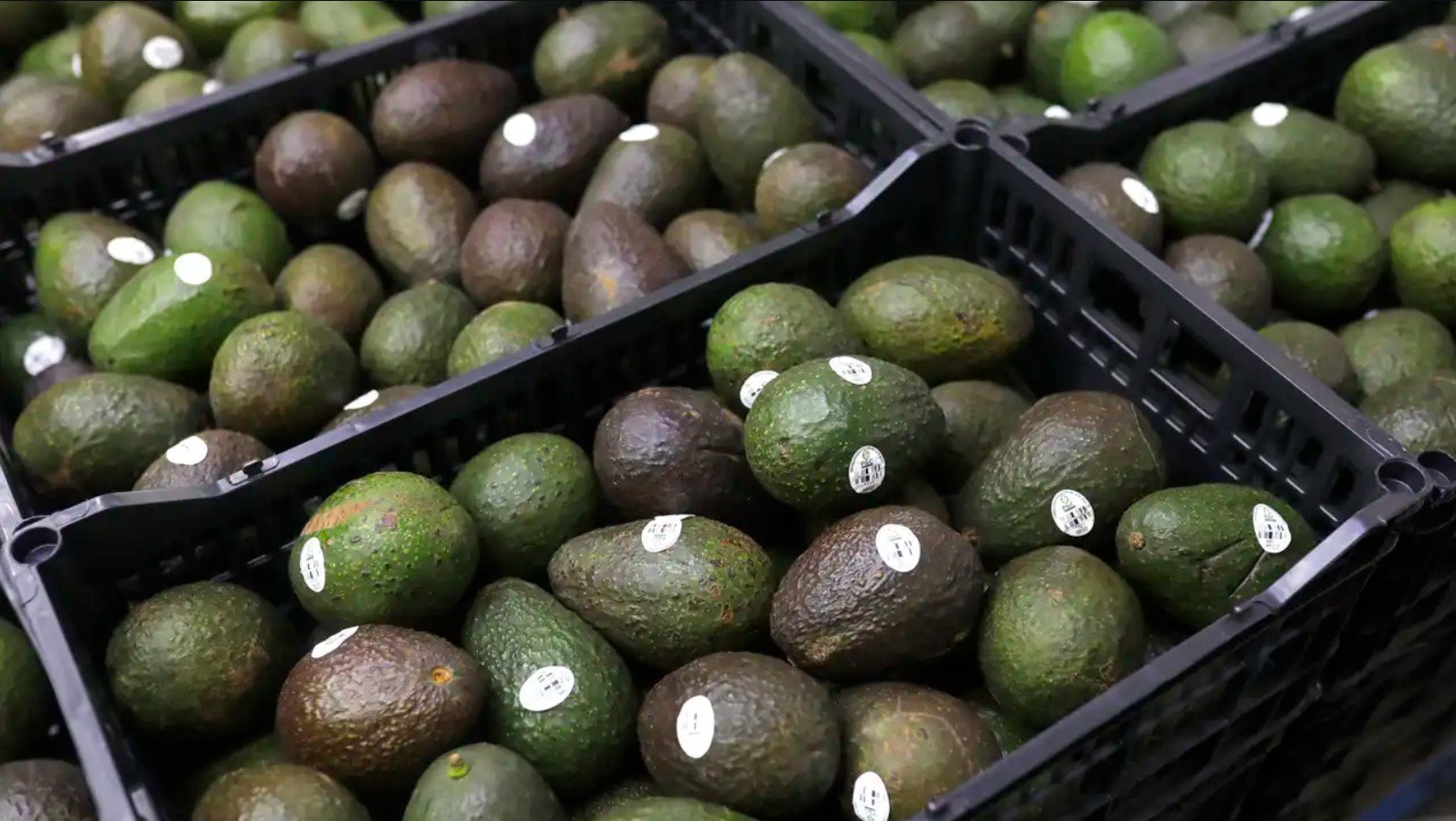
Mexico City — Mexico will require avocado exporters to hold a labor certificate starting Oct. 1, part of an effort to bring social security coverage to roughly 200,000 farmworkers across the country’s most profitable agricultural sector.
Labor Secretary Marath Baruch Bolaños López announced the measure, saying companies that ship their products abroad must comply with the new rule. The certificate, known as the Certificado Laboral para la Agroexportación, formally verifies that producers are meeting their social security obligations.
A pilot phase began Sept. 17 with the mass registration of production units. Officials said the program fulfills commitment 63 of the federal administration’s plan to reshape rural working conditions, and will bring stricter oversight to packing and harvesting operations.
Benefits for Farmworkers
Authorities say the certificate will extend legally mandated benefits, comprehensive medical care and a dignified retirement to agricultural day laborers who work in export supply chains serving global markets.
Presenting progress on the measure during his second state-of-the-agency report, Bolaños López said export competitiveness must go hand in hand with social justice for workers.
“There can be no competitive agro-export industry unless it is also an agro-export industry with dignified work,” he said.
Enforcement and Support Centers
Alongside the regulation, the Labor Department opened an Integral Attention Center for Workers in San Quintín, bringing conciliation procedures and legal defense services directly to farming communities.
Federal inspectors will carry out periodic visits to confirm that companies maintain formal hiring standards. Firms that fail to comply will lose the permits they need to place their harvests on international markets.
According to the government, the measure also gives overseas buyers certainty that the fruit they purchase was harvested under ethical, legal and humane standards, positioning Mexico as a reference point in fair trade.
More Business
- Tulum Circula Advises More Than 120 Businesses on Separating and Tracking Waste
- Punta Venado Caught Between New Hotels and the Calica Legal Fight
- Counterfeit ‘G5’ Banknotes Prompt Alert Among Quintana Roo Merchants
- September Marks Worst Month for Hotel Occupancy and Air Traffic in Cancún
- Aeroméxico to Suspend Tulum Flights, Calls It a Temporary Pause