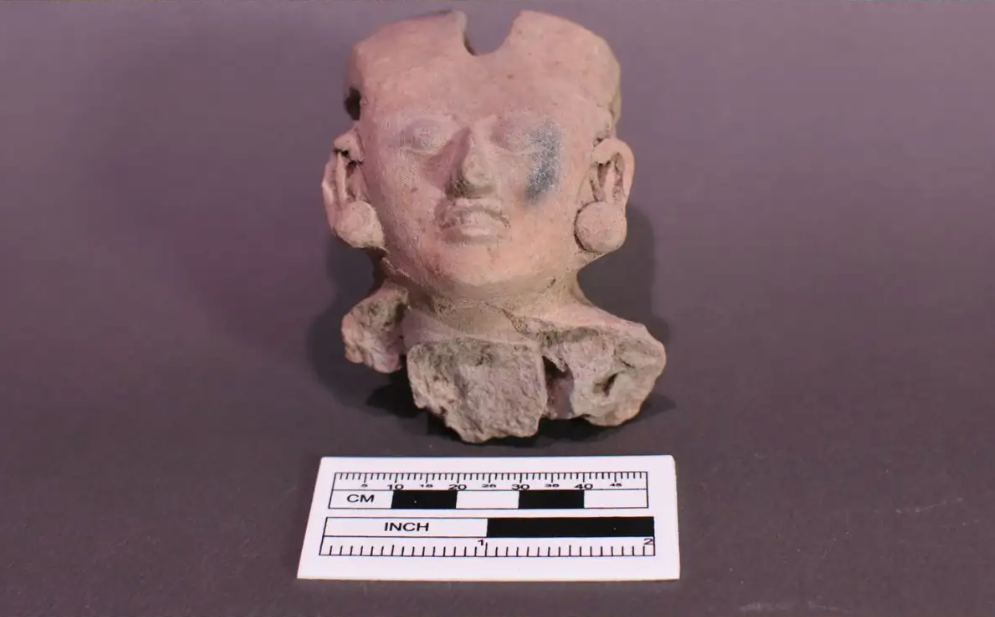
Mexico City — Mexico has recovered 1,132 pre-Hispanic archaeological artifacts voluntarily returned from the United States, the National Institute of Anthropology and History (INAH) announced.
The collection was handed over to the Consulate General of Mexico in Boston, Massachusetts, and is among the largest archaeological sets received by that consulate in recent years, officials said. INAH described the restitution as an example of academic, ethical and professional cooperation and cultural diplomacy for the protection of heritage.
According to an assessment by INAH specialists, the collection consists of pre-Hispanic items, including 1,053 smoothed, modeled, painted and incised ceramic fragments, mostly domestic wares; two complete malacates (spindle whorls); 18 figurine fragments; nine obsidian flakes; 11 flint flakes; and three rock polishers. The set also includes 36 shark teeth associated with the artifacts and pottery shards.
Specialists concluded that the objects come from southeastern Mexico. Because the items span different time periods, researchers will use documentation provided to the consulate by Jeremy Pilver, a professor and archaeologist at Farmington High School, to help determine their dating and gather other data for research.
More than 40 high school students spent nearly two years classifying, surface-cleaning, cataloging and inventorying the collection, building a digital database, photographing, documenting and professionally packaging the pieces for return. The process was coordinated by the Consulate General of Mexico in Boston, in close collaboration with INAH, the Mexican Foreign Ministry and academic institutions in the New England region.
More Culture
- Puerto Morelos to Host Mar de Almas Janal Pixan Festival for Day of the Dead
- Fake Priests Target Hotel Weddings in Cancún, Diocese Warns
- Quintana Roo Opens 2026 Poetry Contest for Indigenous and Afro-Mexican Girls
- Extortion Cases Hit Several Playa del Carmen Churches in 2026
- Direct Sales Open Path to Formalization for Mexican Artisans, Says Luz Valdez